An Unhurried Day in Kyoto
Kyoto becomes easier to enjoy when you stop asking one day to contain it all. Choose a small area, leave space between your stops, and let attention matter more than the number of gates you pass through.
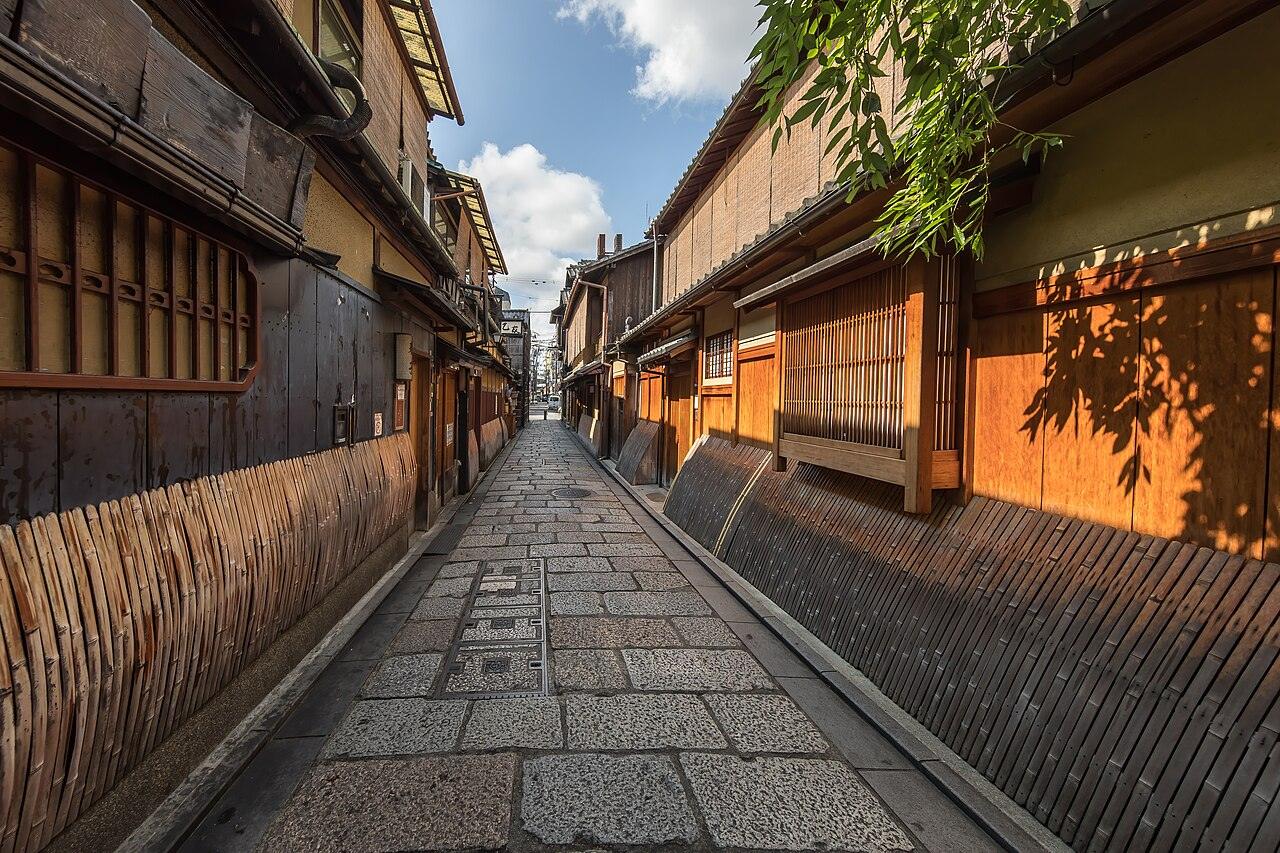
Photo: Unknown / CC BY-SA 4.0 / Wikimedia Commons
A long list can make Kyoto feel like a city of missed opportunities. Each temple leads to another recommendation, and every journey seems to take time away from something else. Put most of the list aside. One temple or garden you genuinely want to visit, followed by an open stretch of day nearby, can be a more satisfying starting point.
Choose that first place with some care. Check official information for current visiting arrangements, closures, access, and any reservation requirements. Consider how you will get there and back, too. A little preparation removes practical friction; it does not have to prescribe the rest of the day. Leave enough room to change direction when your energy or the weather changes.
Stay within a small patch of the city
Kyoto's sights are spread across a city where moving between areas can take longer than a glance at the map suggests. Instead of crossing repeatedly from one district to another, base the day around one area. A section of eastern Kyoto might suit a walk combining public streets with a chosen temple visit. Alternatively, begin near the Kamo River and keep the route simple.
Do not assume every attractive lane is a public invitation. Observe signs, stay out of private alleys and residential entrances, and follow local restrictions on photography. In areas where visitors gather in large numbers, leave room for residents to move. A quieter way of traveling starts with how you occupy space, not with finding a street where nobody else is present.
Give one visit your full attention
At a temple or garden, read the posted guidance before entering. Rules about shoes, photography, paths, and access vary, and some spaces may be used for religious practice. Follow the site's instructions rather than assuming the arrangement matches the last place you visited. Keep your voice low and give people praying or working the room they need.
Once inside, let yourself look at fewer things more carefully. Notice the meeting of timber and stone, the sound of footsteps, or how a view changes when you move a little to one side. You do not need specialist knowledge to pay attention. Equally, you do not need to assign a spiritual lesson to every detail. Sometimes a garden can simply be beautiful.
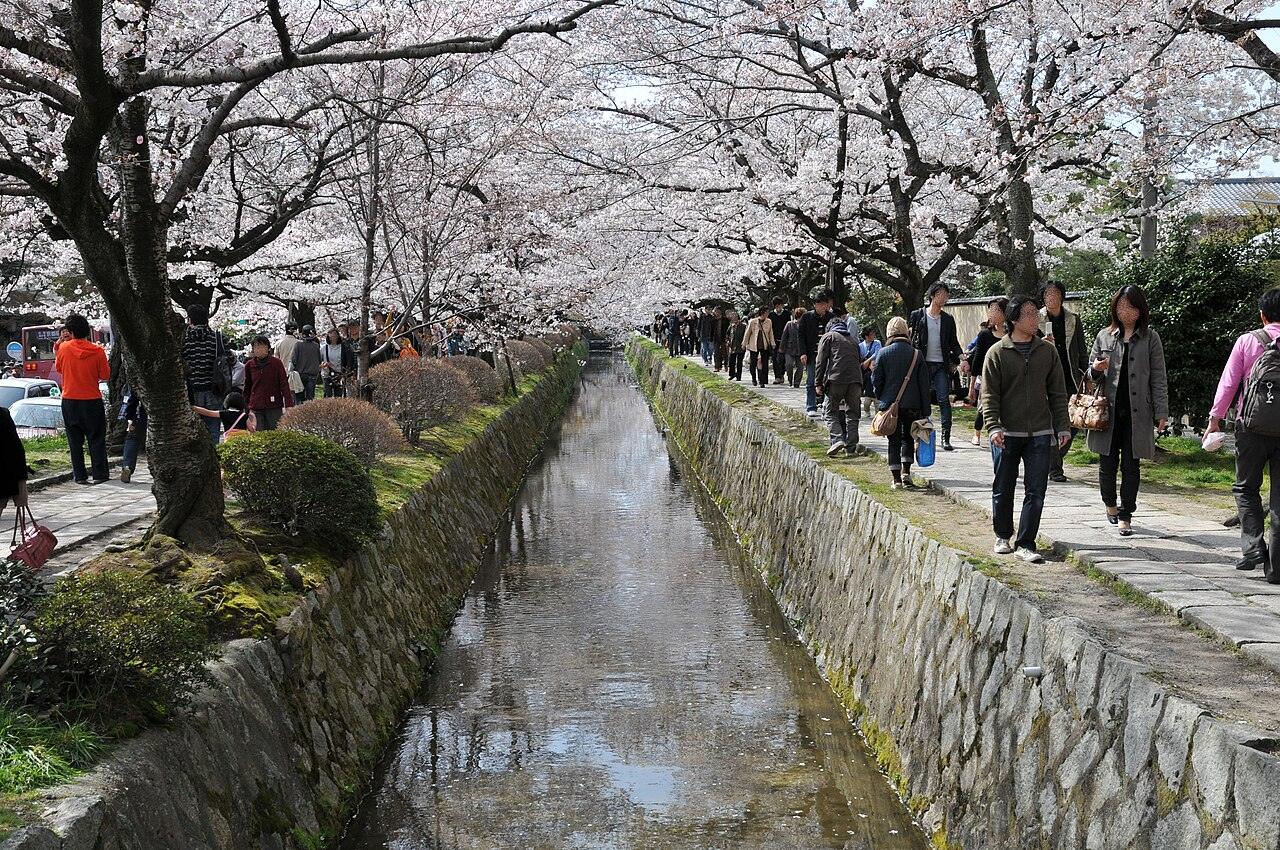
Photo: Reggaeman / CC BY-SA 3.0 / Wikimedia Commons
If the place is busy, patience may serve you better than hunting for a photograph that makes it look empty. Wait where waiting is permitted, avoid blocking paths, and accept that other visitors are part of the day. If you feel overwhelmed, shorten the visit and find a more comfortable public space afterward. Staying longer is useful only while you still want to be there.
Let food and rest interrupt the sightseeing
Lunch is a good moment to stop evaluating how much you have seen. Look for somewhere that suits your appetite, read the available menu, and respect any seating or ordering arrangements. A small restaurant may not be able to accommodate a large group or a complicated request. If you have dietary requirements, prepare a clear explanation and check ingredients rather than relying on appearances.
After lunch, choose rest deliberately. A cafe stop or a seat in a suitable public area is not time stolen from Kyoto. It is part of being present in a city rather than passing through a sequence of attractions. Check how you feel before adding another visit. Your feet, the weather, and the time of day are all reasonable guides.
Leave the final stretch open
If conditions suit, a gentle walk near the river can provide a change from enclosed streets and temple grounds. Use established public routes, watch the surface underfoot, and do not assume every riverside section offers easy access. In rain, heat, or uncomfortable conditions, choose shelter or transport instead. The point is an easier afternoon, not completing a picturesque ending at any cost.
You might browse a shop, return to a street that interested you earlier, or simply head back. Avoid turning the final hour into compensation for everything you did not see. Kyoto will always contain more than a single day can hold. Accepting that can make the part you do experience feel less hurried and more distinct.
What remains afterward may be a threshold, a patch of water, or the pause before someone opened a door. Those details need space to register. Give the day that space, and let the unvisited places stay unvisited for now.
Questions readers ask
Can I leave temple visits completely unplanned?
Some visits allow flexibility, but others have reservations, seasonal arrangements, or closures. Check official information for any place you particularly want to enter, then keep the surrounding time loose.
Travel details change. Please confirm transport, access and safety information with official sources before you go.
Keep wandering
Try another direction
Take the Scenic Route
Roads, railways, journeys between towns, and worthwhile stops along the way.