Places Where You Can Slow Down and Start Again
Some journeys are less about seeing something new than finding a pace you can live inside. Look for places where resting is easy, ordinary needs are close and an uneventful afternoon feels welcome.

Photo: Uoaei1 / CC BY-SA 4.0 / Wikimedia Commons
The wish to start again can sound grander than it feels. Often it means wanting breakfast without a rush, a walk without a notification or an evening that does not disappear into unfinished tasks. Travel cannot guarantee renewal, and it does not replace support when life feels difficult. It can, however, offer a temporary change in the conditions around your day.
For this kind of break, the right destination is rarely the one with the longest list of possibilities. It is the one where you can meet your basic needs with little effort and choose your level of company. Before thinking about scenery, ask what makes you feel settled: easy food, a comfortable chair, familiar language, a direct journey or people nearby.
A coastal town with somewhere to sit
The sea can give a day a simple center. You walk toward it, spend some time beside it and return when you feel like eating. A town with a promenade or accessible waterfront often works better for a low-energy break than a dramatic coast whose views require strenuous paths. Look for a place that lets you enjoy the water without proving anything to reach it.
Sidmouth, on England's south coast, is one example of a town where the seafront can shape a gentle visit. Your own nearest equivalent may be just as useful. Check slopes, surfaces and the location of your accommodation rather than relying on the word seaside. If you plan to leave the promenade for coastal paths, check weather and current access advice first.
A village with enough everyday life
Rural quiet sounds straightforward, but isolation can make a short restorative break surprisingly demanding. A village with a food shop, somewhere to eat and a manageable walking route offers a useful middle ground. You can enjoy a slower setting without having to drive every time you need lunch. Check actual opening days, particularly outside the main visitor season.
Choose accommodation for how you will use it. A lovely bedroom is not necessarily a comfortable place to spend a rainy afternoon. If reading, resting or making simple meals is part of the idea, look for seating, daylight and the facilities you need. Ask practical questions before booking. A peaceful photograph tells you little about traffic noise or the room above a busy restaurant.
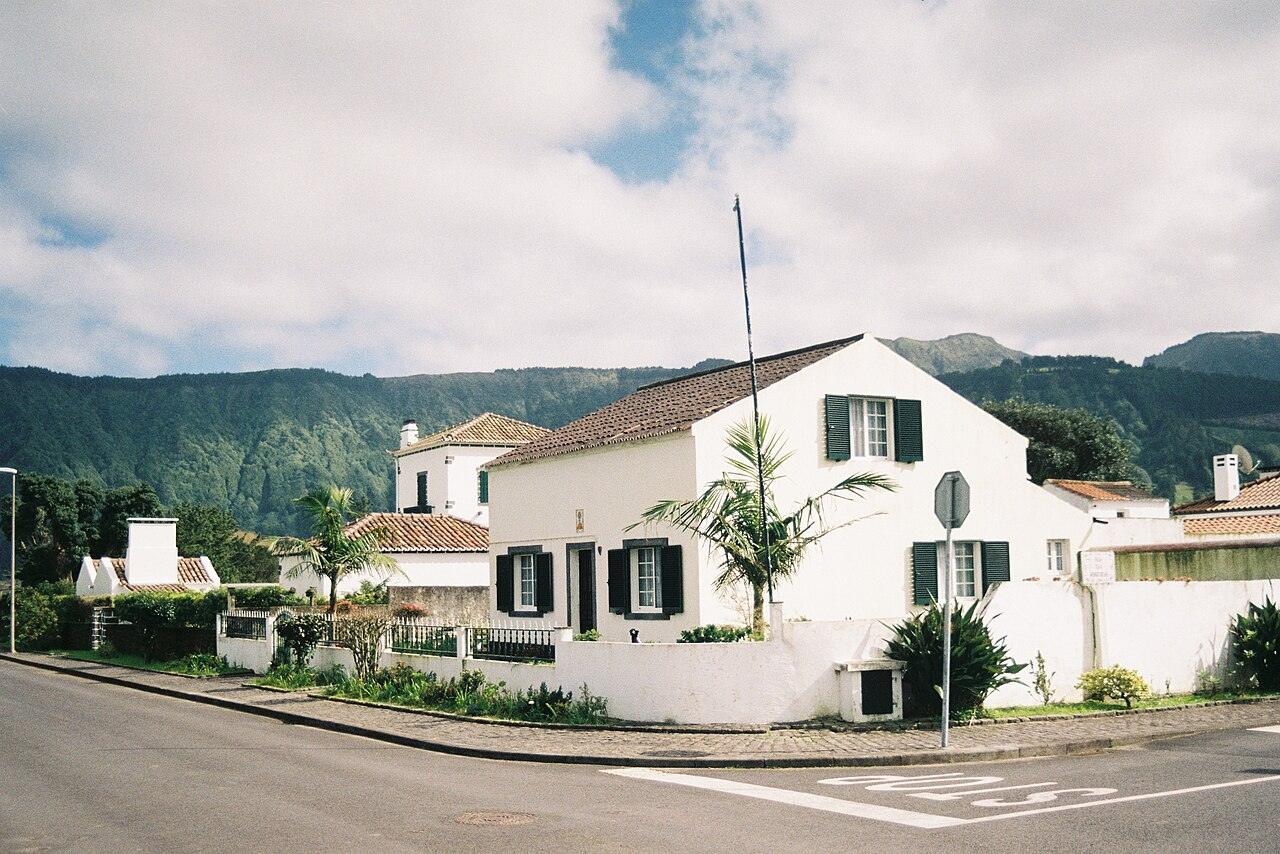
Photo: Gonçalo Torres / CC BY-SA 4.0 / Wikimedia Commons
A green city, if silence feels too empty
Not everyone relaxes in seclusion. You might settle more easily with a park nearby, other people within sight and several places to buy dinner. A city break can be slow if you choose a small area and stop treating the rest of the city as unfinished business. Ljubljana, with its central riverfront and access to Tivoli Park, offers one possible balance.
Another option is simply a leafy neighborhood in a city you already know. Familiarity removes decisions, which may be exactly what you need. Return to a museum you liked, take the same walk twice and let recognition do some of the work. Novelty is not a requirement for a worthwhile trip, and repeating a pleasant day is not wasting an opportunity.
Build a rhythm you do not have to earn
Try giving the day one small anchor: breakfast outside, a walk after lunch or a few pages before dinner. Leave space around it. If you do something more ambitious, let that be because you want to, not because rest seems insufficiently impressive. A trip can contain a nap and still have been worth the journey.
Think carefully about company, too. Traveling with someone who enjoys a similar pace can make quiet days feel companionable. Traveling alone can remove negotiation, but it may also leave more room for loneliness. Neither choice is inherently more restorative. Tell a companion what you want from the break, or arrange a light check-in with someone at home if that feels reassuring.
Consider leaving a little space around communication, too. You can tell people when you are likely to reply without disappearing entirely. Download something to read, silence nonessential alerts and decide which messages genuinely need your attention. The aim is not a perfect digital retreat, just fewer interruptions to the time you have chosen for yourself.
When it is time to leave, resist demanding a transformed version of yourself as evidence that the trip worked. Notice one small thing you might carry home: eating without a screen, stepping outside after breakfast or allowing an evening to remain unfilled. Starting again can be that ordinary, and that useful.
Travel details change. Please confirm transport, access and safety information with official sources before you go.
Keep wandering

Try another direction
A Day Without a Plan
City days built on side streets, long lunches and whatever happens next.