What Happens When You Leave an Afternoon Unplanned
An empty afternoon can feel like a gift or a gap that needs filling. Let it stay open for a while, and you may discover that the best use of travel time is not always another destination.
Photo: gnuckx / CC BY 2.0 / Wikimedia Commons
Lunch is over, the morning's visit is behind you, and there is nothing booked until evening. The reflex is familiar: open a map, search nearby attractions, and arrange the remaining hours into something that looks worthwhile. Before doing that, wait. An afternoon without a plan is not an administrative problem. It can be a different way to experience the place you are already in.
This does not mean refusing preparation or wandering into situations that feel unsafe. Keep your accommodation details, know how you will get back, and check any commitments you genuinely need to honor. The empty space belongs between those practical edges. Once they are secure, you can stop treating every available hour as something that must be converted into a sight.
Notice what you want before choosing where to go
Ask a less ambitious question than what should we see next. Are you tired, restless, hungry, overheated, or curious? Each answer points toward a different kind of afternoon. Tired might mean a room and a book. Restless might mean a short walk. Curious might mean returning to a shop window you noticed earlier. None is automatically a better use of the day.
Travel can make basic needs surprisingly easy to overlook. You may have been standing for hours, eating at odd times, or concentrating on unfamiliar signs and transport. Give yourself a drink of water and a place to sit before deciding that you need more stimulation. Sometimes the next interesting thing becomes visible only after you stop feeling worn out.
If you are traveling with someone, compare answers without trying to make them match. One person may want to browse while another wants quiet. An unplanned afternoon can include time apart, provided everyone is comfortable and you agree how to reconnect. A clear meeting place and a simple check-in arrangement can prevent freedom from becoming an afternoon of missed messages.
Choose a small invitation
Rather than selecting a major attraction, choose something with a low threshold: a public garden, a nearby street, a cafe, or a bookshop you can reach easily. Check opening and access details when they matter, but avoid building a chain of obligations around the first idea. You are giving the afternoon somewhere to begin, not deciding everything it must become.
- Walk toward a public square and see whether you want to stay.
- Return to one detail you passed too quickly in the morning.
- Sit somewhere comfortable without immediately filling the pause with your phone.
- Choose an indoor stop if the weather makes wandering unpleasant.
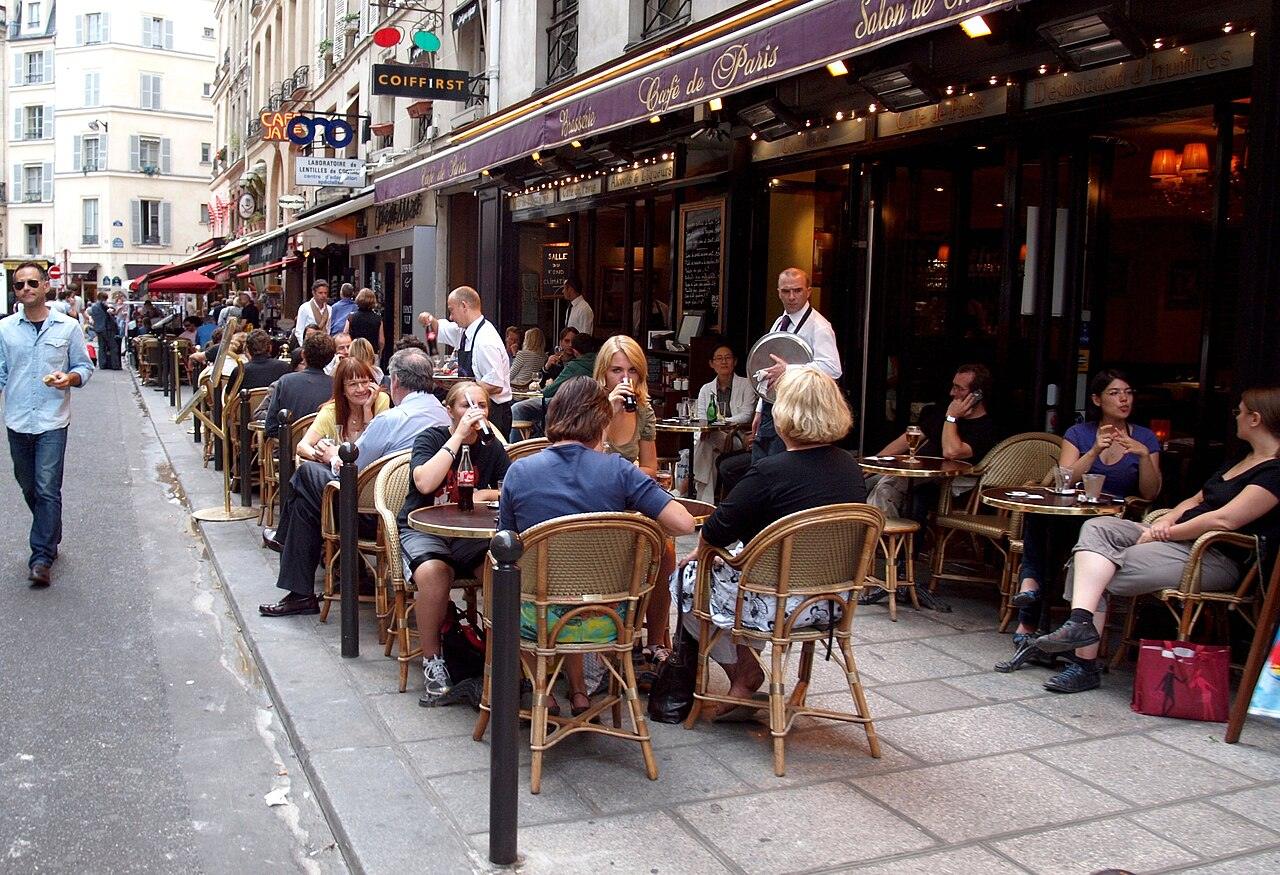
Photo: zoetnet / CC BY 2.0 / Wikimedia Commons
Set a gentle limit if openness feels uncomfortable. You might give yourself a short stretch of time with no searching for recommendations, then reassess. This is not a challenge to complete perfectly. If you need directions, use them. If you become bored, change something. The point is to notice your own response instead of obeying a schedule written before you arrived.
Let the afternoon be ordinary
An unplanned afternoon will not necessarily produce a remarkable encounter. You may sit in a cafe, browse without buying, and walk back along the same street. That can still be valuable. Travel is not only a supply of exceptional scenes. Ordinary hours help you absorb the extraordinary ones, and they let a place become more than a backdrop for your busiest moments.
Resist the pressure to manufacture spontaneity. You do not have to board an unfamiliar bus, start a conversation with a stranger, or say yes to something that makes you uneasy. A detour is worthwhile only if you want it. Declining an invitation or returning to your accommodation can be as deliberate a choice as taking a new road.
If you catch yourself comparing the afternoon with what you could have done, bring your attention back to something concrete. The temperature of the cup in your hands, the pattern of shadows on a wall, or the sound from the next street gives the moment a little weight. You are not required to feel transformed. Simply being less distracted is enough.
End without making a case for it
As evening approaches, decide what would make the transition comfortable. Perhaps you want to change clothes, pick up something to eat, or take a direct route back. Leave a margin rather than squeezing one last activity into the remaining minutes. The afternoon does not need a dramatic final discovery to prove that keeping it open was a good idea.
Later, you might remember very little you could put on a list. You may remember how it felt to stop choosing, or how a street became familiar because you passed through it twice. Some parts of a journey are valuable precisely because they ask so little of you. Let this afternoon be one of them.
Travel details change. Please confirm transport, access and safety information with official sources before you go.
Keep wandering

Try another direction
Take the Scenic Route
Roads, railways, journeys between towns, and worthwhile stops along the way.