How to Choose Your Next Destination by Feeling
A destination can be the answer to a mood rather than a list. Begin with how you want your days to feel, then let practical questions turn that instinct into a trip you can actually enjoy.
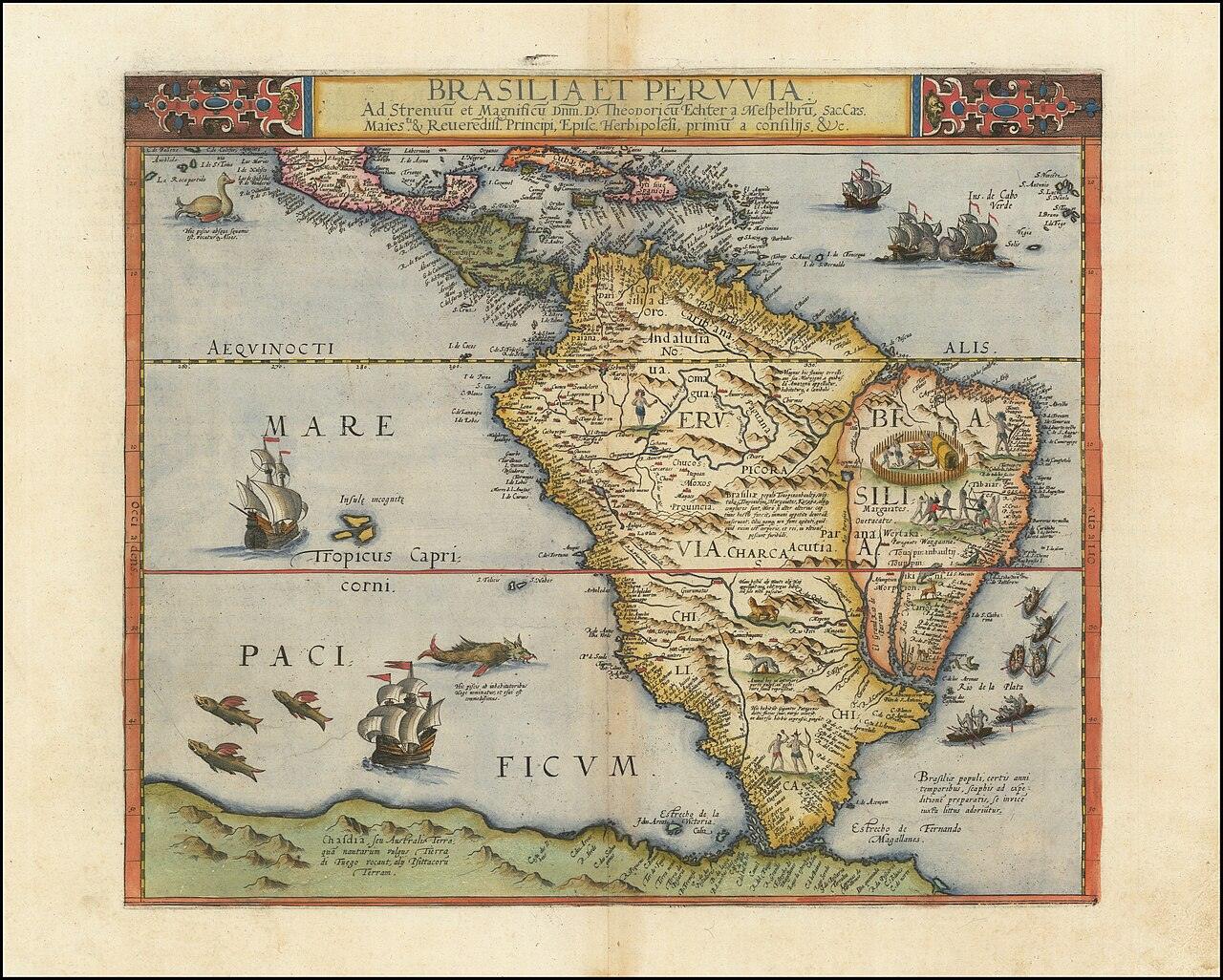
Photo: Gerard de Jode / Public domain / Wikimedia Commons
Open a map too early and every possibility starts competing on the wrong terms. One place has a famous museum, another has mountains and a third has appeared so often in photographs that it feels like an obligation. Before comparing destinations, close the map for a moment. Think about the kind of ordinary morning you would like to have somewhere else.
Would you step outside into busy streets or hear very little? Would breakfast lead naturally to a long walk, a swim or another hour with a book? These questions are not a personality test. They are a way to separate your present needs from the version of travel you have absorbed from other people's holidays.
Name the feeling in everyday language
Words such as adventure and escape can mean almost anything. Try being more specific: I want to feel pleasantly anonymous; I want to use my body after weeks at a desk; I want to be around beauty without making many decisions. Each statement points toward a different setting and a different amount of effort.
If you are traveling with someone, write your answers separately before comparing them. One person's peaceful cottage may be another person's uncomfortable isolation. Look for the overlap without pretending the differences have vanished. A town with walking paths and a lively center might work for both of you, provided you are comfortable spending part of a day apart.
- For spaciousness, look for open views and uncomplicated access to them.
- For curiosity, choose walkable streets with varied everyday activity.
- For companionship, consider settings where shared activities feel natural.
- For rest, prioritize comfort, easy meals and a journey with few moving parts.
Translate a mood into a setting
If you want gentle stimulation, a compact city such as Ghent might suit better than an isolated retreat. Waterways, streets and indoor options let you adjust the day without repeatedly starting from scratch. If you want time outdoors, a town beside accessible walking routes could be more useful than a beautiful urban hotel with a distant view of hills.
Treat destination names as examples, not prescriptions. The same place can feel lively in one season and subdued in another; the same traveler can want very different things in different months. Think about daylight, likely weather and visitor patterns. You are choosing a particular visit, not buying a permanent identity as a mountain person or a city person.

Photo: Benh LIEU SONG (Flickr) / CC BY-SA 3.0 / Wikimedia Commons
Give the feeling a practical test
Now bring back the map. Check whether the experience you imagine is actually near the place you would stay. A coastal apartment might require driving to reach the shore. A countryside retreat might be quiet but difficult to manage without a car. A historic center might be wonderfully walkable for some travelers and challenging for others because of slopes, steps or uneven surfaces.
Ask what your least energetic day would look like there. Could you eat, get outside and enjoy yourself without a complicated plan? Then consider the less cooperative version of the weather. If the whole trip depends on uninterrupted sunshine or one excursion operating exactly as hoped, build in another possibility before you book.
Choose from a small shortlist, then stop browsing
Make a shortlist of a few places that match both the feeling and the practical limits. Compare total travel time, accommodation suitability and the everyday costs that matter to you. You do not need to predict every expense, but you should understand whether the basic shape of the trip is comfortable. Financial strain can follow you into even the loveliest view.
Once one option fits well enough, allow yourself to choose it. Endless comparison can turn anticipation into administration. Save official transport information, confirm anything essential and leave some smaller questions unanswered. You can decide which street to explore after you arrive; that decision does not need to compete with every other street in the world.
The feeling you hoped for may appear differently than expected. Rest might arrive in a busy square, or curiosity during an uneventful walk. Choose thoughtfully, then leave room for the place to surprise you without having to fulfill a promise it never made.
Questions readers ask
What if I want both activity and rest?
Choose a base with optional outings rather than moving accommodation repeatedly. You can keep one active day and leave another open without rebuilding the whole trip.
Can this approach work with a fixed destination?
Yes. Choose the neighborhood, accommodation and pace according to the feeling you want. A different way of spending time can change a familiar destination.
Travel details change. Please confirm transport, access and safety information with official sources before you go.
Keep wandering
Try another direction
A Day Without a Plan
City days built on side streets, long lunches and whatever happens next.