Where to Go When You Need a Change of Scenery
A change of scenery works best when it changes what you notice. Before choosing a destination, think about which part of your everyday surroundings you would most like to exchange.
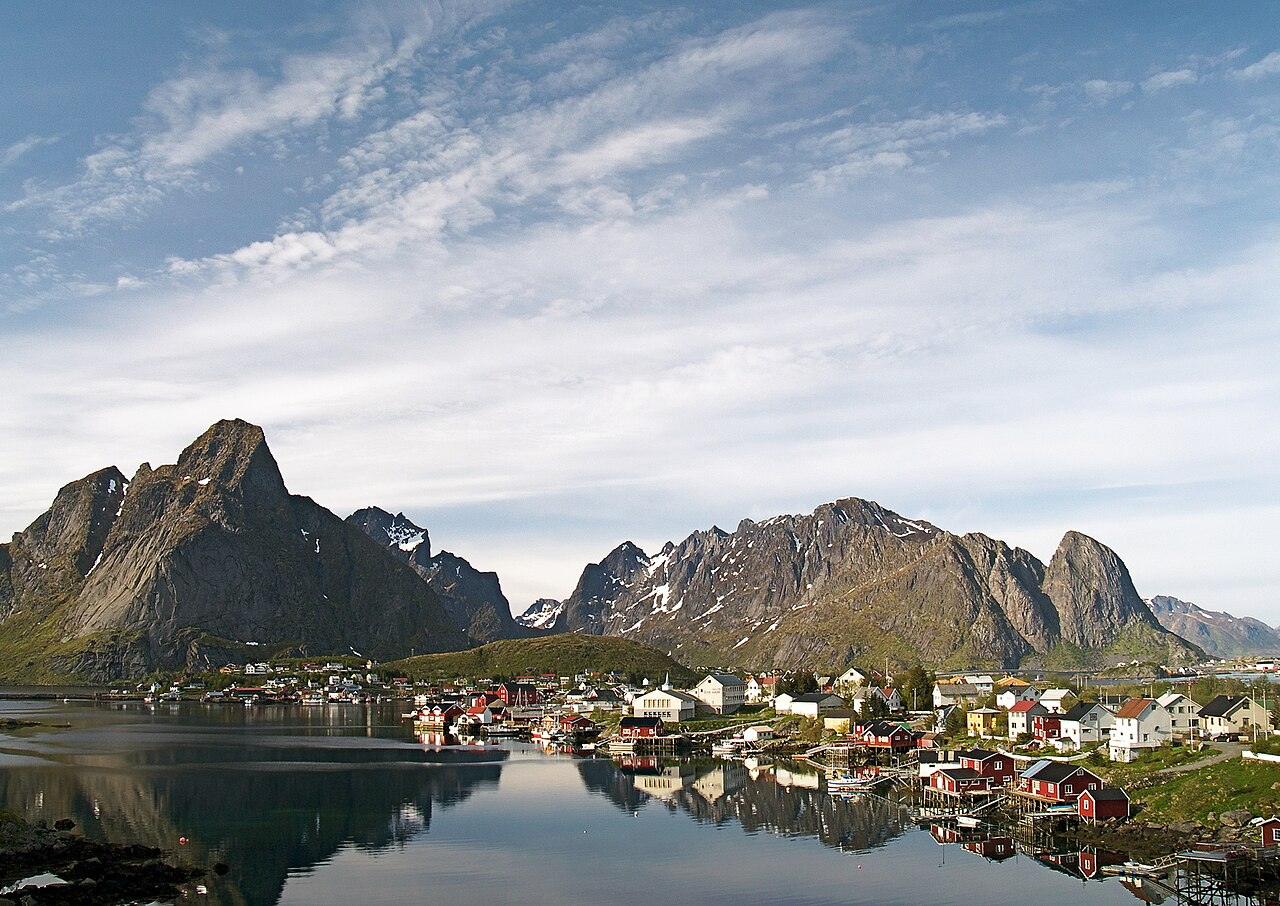
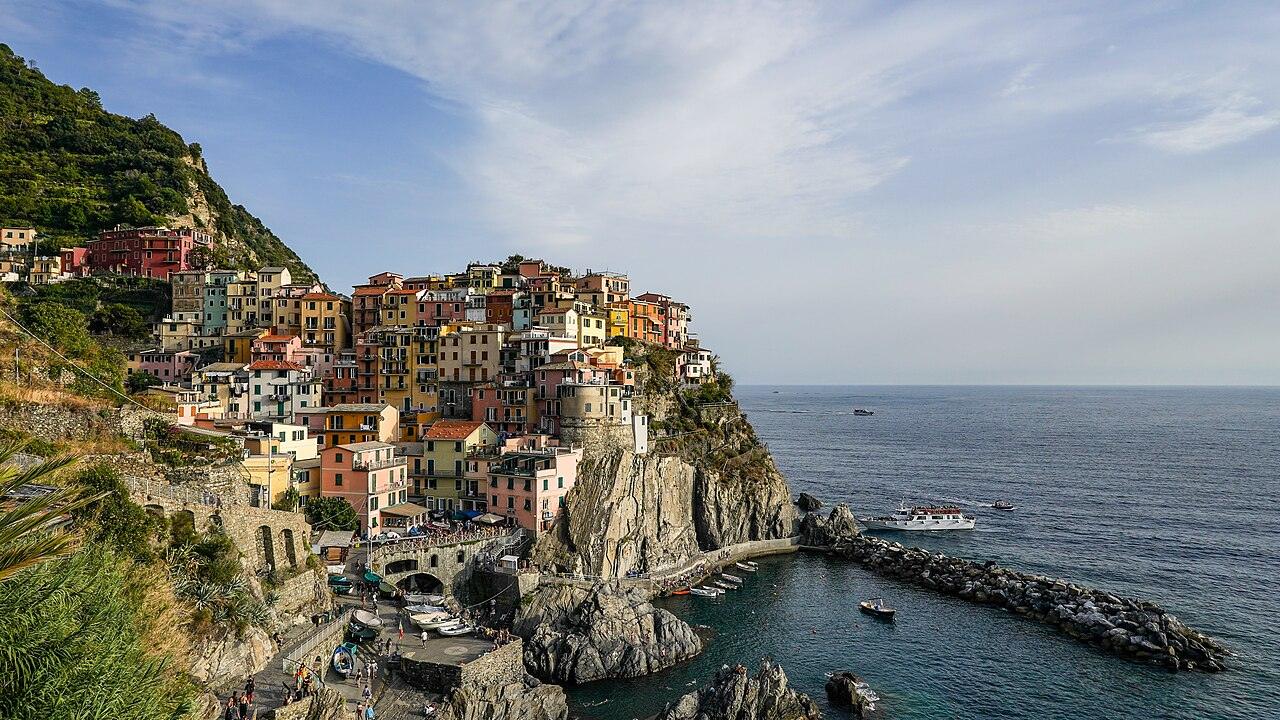
Photo: Jörg Hempel / CC BY-SA 2.0 de / Wikimedia Commons
Sometimes the need to leave arrives as an image: a window facing water, a path under trees, a street where nobody recognizes your coat. It is tempting to answer immediately with a famous destination. A better starting point might be the thing your eyes have had enough of, whether that is screens, traffic or the same view across the kitchen sink.
Distance is not the only way to create contrast. A nearby harbor can feel more different from an inland suburb than a faraway shopping district does. Look for a change in texture, sound and daily rhythm, then choose somewhere that makes those differences easy to reach. The journey should support the change, not consume all the energy you hoped to recover.
If everything feels crowded, look for a wider horizon
Coasts, lakesides and open countryside give the eye somewhere to travel without requiring much from the rest of you. A waterfront town with a promenade may suit better than a remote beach reached by a complicated transfer. Consider whether you want to walk beside the view, sit in front of it or enter it through swimming or a boat trip. Those are different holidays.
Whitby, on England's coast, offers a harbor setting and streets that rise away from the water. It is not an escape from other visitors, particularly at popular times, but it shows how a working town and an open horizon can belong to the same break. Choose accommodation with the terrain in mind, and check conditions before planning any coastal walk.
A lake town can offer a similar visual pause without the same coastal atmosphere. Look for public access to the shore rather than assuming that a waterside address guarantees easy walking. A bench you can reach comfortably matters more than a dramatic view available only after a drive you do not want to make.
If the days feel flat, choose a place with layers
Perhaps quiet is not what is missing. If your routine has become repetitive, a compact city with markets, varied architecture and ordinary street life may be the better contrast. Porto, for example, brings steep streets, river views and changes of level that keep a walk visually engaging. The physical effort is part of the choice, not a footnote.
For a gentler approach, choose one neighborhood and explore it slowly. Watch a square change as shops open or tables fill. Go inside a small museum if something in the window interests you. Stimulation does not have to mean a packed schedule; it can mean having several appealing things within a short walk and permission to choose only one.
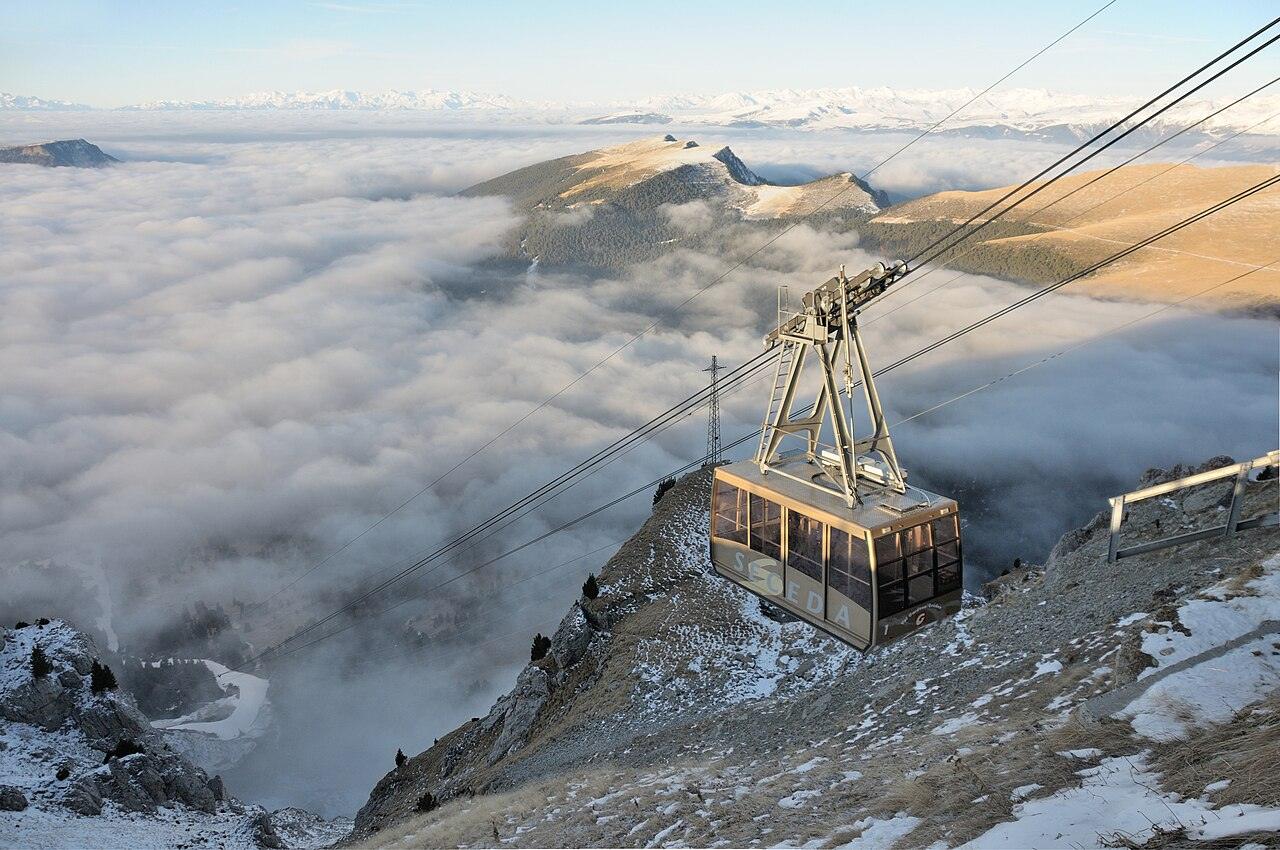
Photo: Wolfgang Moroder / CC BY-SA 3.0 / Wikimedia Commons
If you need softness, put green space within reach
A forest cabin sounds restorative until you realize that every meal needs a car journey. If you want trees but not logistical isolation, look for a town beside woodland, a city with substantial parks or a village connected to marked walking paths. The most useful green space is the one you will actually enter, even on a low-energy morning.
Freiburg can be a starting point for combining city comforts with access toward the Black Forest, though individual outings require their own transport and weather checks. You might also find the right arrangement much closer to home. Search by the relationship between the bed, the bakery and the path, rather than by the fame of the landscape.
- Check the actual walking route from your accommodation to the place you want to spend time.
- Look for a wet-weather alternative that still feels different from home.
- Choose terrain that suits your mobility and energy, not your imagined holiday self.
Let the journey mark the change
A train ride out of a dense city can begin the adjustment before you arrive. Buildings spread apart, fields appear and your attention finds a different pace. That is a useful pleasure, but not a reason to choose an awkward route. Compare the entire journey, including transfers and the last stretch to your accommodation, rather than just the fastest advertised service.
Once you arrive, resist immediately recreating your usual habits in a prettier setting. Put the phone away for a short walk. Have breakfast somewhere you can look outside. Allow the local weather to influence the day rather than treating it as an obstacle to a plan made elsewhere.
You do not need a destination that transforms your life. Sometimes it is enough to spend a few days looking at something that asks a different kind of attention, then return with a little more room around the familiar.
Travel details change. Please confirm transport, access and safety information with official sources before you go.
Keep wandering
Try another direction
A Day Without a Plan
City days built on side streets, long lunches and whatever happens next.