Nature Walks That Begin Just Outside the City
You do not always need a remote landscape to feel the weather change around you. A woodland edge, estuary path or hill beyond the last neighborhood can offer a different kind of day, if you give the practical details proper attention.
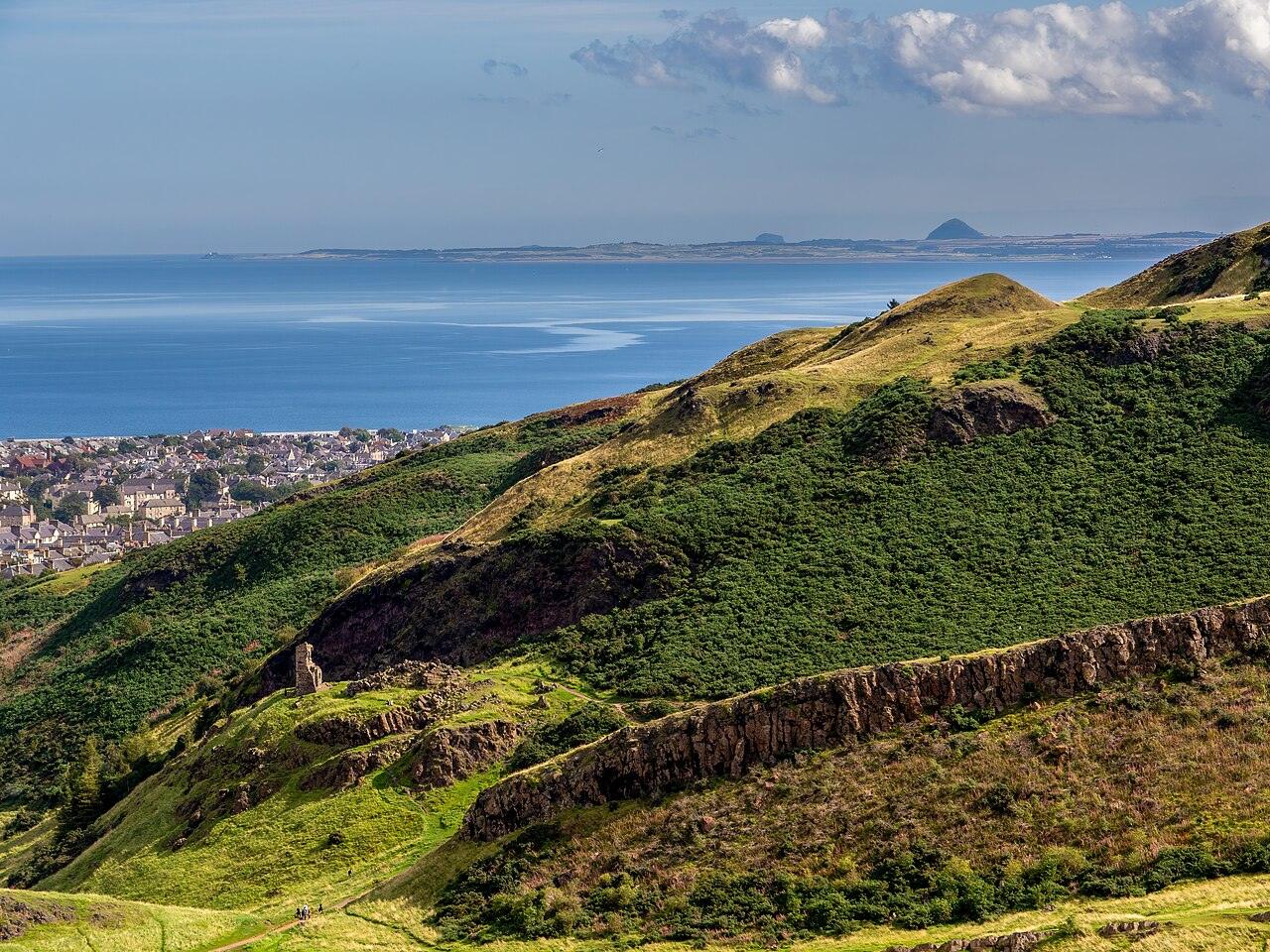
Photo: Ermell / CC BY-SA 4.0 / Wikimedia Commons
The transition may be almost embarrassingly ordinary: a bus stop beside a supermarket, a path behind a sports ground, then a sudden opening between trees. Nature near a city rarely arrives without infrastructure. That does not make it less worthwhile. The meeting point between streets and open ground can be interesting in its own right, especially when you stop expecting wilderness.
Choose the walk for the day you actually have. A short loop with reliable transport may be more restorative than a dramatic route that leaves you watching the clock. Distance from the city center says little about difficulty. Mud, steep ground, heat, exposure and confusing junctions can turn a nearby outing into something more demanding than the map initially suggests.
Pick a landscape, then check the route
Start with what you want to experience: moving water, tree cover, a wide horizon or simply a quieter soundscape. Then use an official park, reserve or walking authority's information to find an appropriate route. Read the description rather than relying on a line drawn by an unknown app user. Check whether the path is public, whether it is currently open and what conditions it is designed for.
Match the terrain to everyone in the group. A route described as easy may still have steps, narrow gates or uneven surfaces. If accessibility matters, look for specific information about gradient, surfacing, rest points and facilities, and contact the managing organization when details are unclear. A less ambitious path that everyone can enjoy is a better choice than a beautiful route that excludes someone halfway through.
Make the return journey part of the plan
Public transport can make a city-edge walk pleasantly simple, but outbound convenience is only half the story. Check the return timetable, service changes and where the stop actually is. Some routes serve different stops in opposite directions. Mobile coverage and battery life are not guaranteed, so save essential information before setting off and carry a usable offline map.
Allow enough time to finish before dark unless the route, your equipment and your experience genuinely support a night walk. Tell someone where you intend to go when appropriate, especially if walking alone in a quieter area. Turning back because conditions have changed is not a failure of curiosity. It is what makes future walks possible without an avoidable rescue story attached.
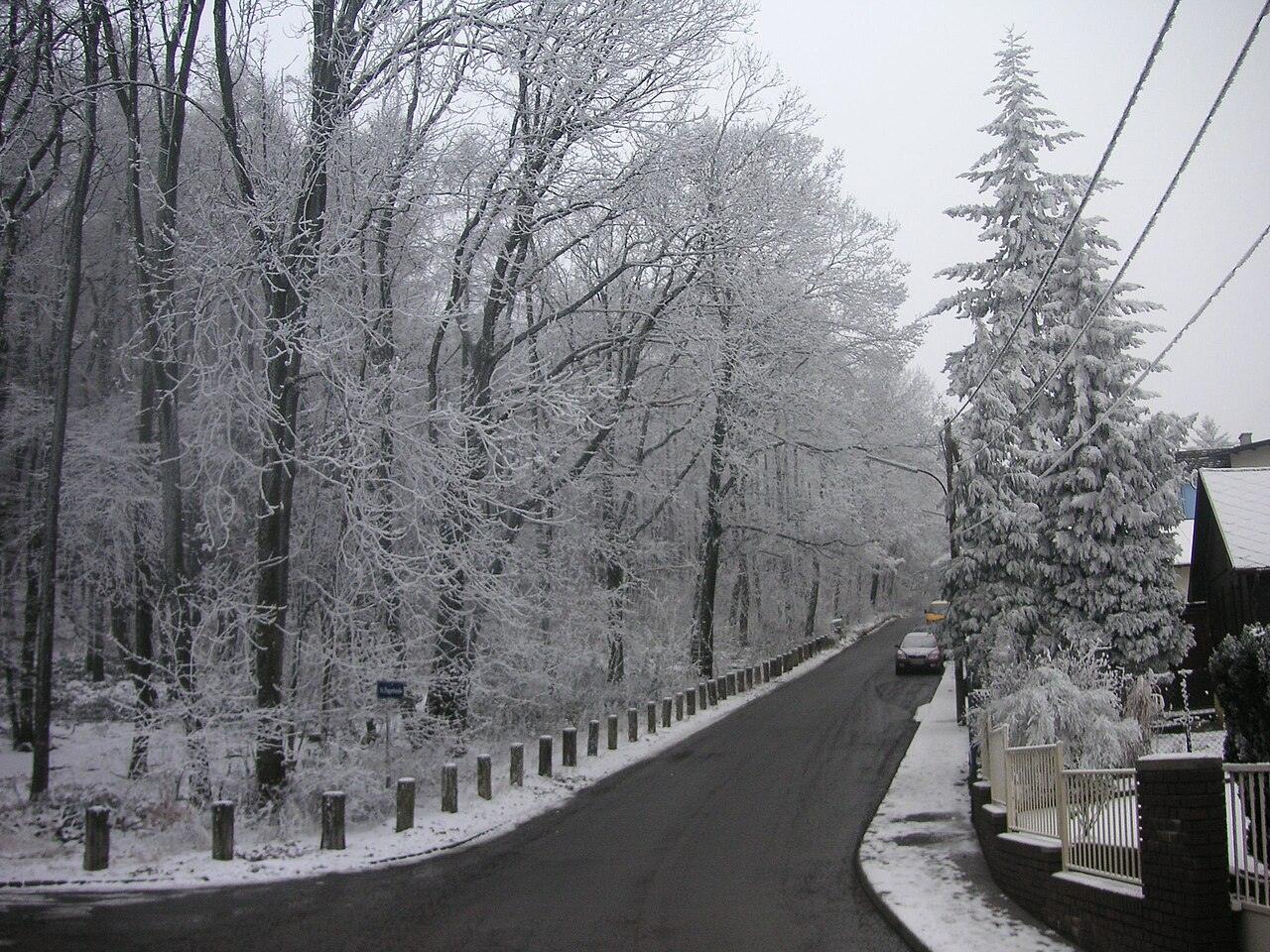
Photo: KF at en.wikipedia / Public domain / Wikimedia Commons
Notice the small things without disturbing them
Once the practical decisions are made, stop measuring the outing against a grand landscape. Look at where shade holds dampness, how birds use the edges of a clearing, or which plants grow beside disturbed ground. You do not have to identify every species to pay attention. A field guide can help, but so can standing still long enough for movement to resume around you.
Keep your distance from wildlife and stay on designated paths where requested. Avoid feeding animals or collecting plants, and follow local rules on dogs. Headphones can mask bicycles, other walkers and warning sounds, so keep awareness of your surroundings. If a photograph requires leaving a protected path or crowding an animal, let the photograph go. The place is not improved by proving you reached it.
Let the city remain in the picture
A railway heard across a valley or an apartment block above the trees does not spoil the walk. These are reminders of how the landscape is used and shared. Some nearby green spaces also have histories of farming, extraction or water management. Read a sign if there is one, and resist describing an unfamiliar place as untouched simply because it feels quiet today.
Find an appropriate stopping place without blocking the route, damaging vegetation or approaching unstable edges. Eat something, put the phone away and give the pause a few unrecorded minutes. Take all litter back with you, including food scraps. If the route passes through working land, follow signs, leave gates as instructed and give livestock plenty of space rather than trying to make the encounter picturesque.
Returning to the streets can be part of the pleasure. The bus window frames a landscape you have just crossed slowly, and the first busy junction sounds newly busy. You have not escaped the city so much as discovered another of its edges, close enough to revisit under different light.
Questions readers ask
Is a phone map enough?
Not always. Save a suitable offline map, carry backup power if needed and understand the route before starting. More remote or complex terrain may require additional navigation skills and equipment.
What if the weather turns?
Shorten the walk, turn back or choose a sheltered urban alternative. Follow official warnings and closures. Being near a city does not make exposed ground or rising water safe.
Travel details change. Please confirm transport, access and safety information with official sources before you go.
Keep wandering

Try another direction
Pick a Direction
Inspiration for travelers who know they want to go somewhere but have not chosen where.