Coastal Towns Best Explored at a Slower Pace
A coastal town changes with the weather, the tide, and the working day. Stay beyond a quick promenade visit, and the shoreline becomes less of a backdrop and more of a rhythm you can follow.
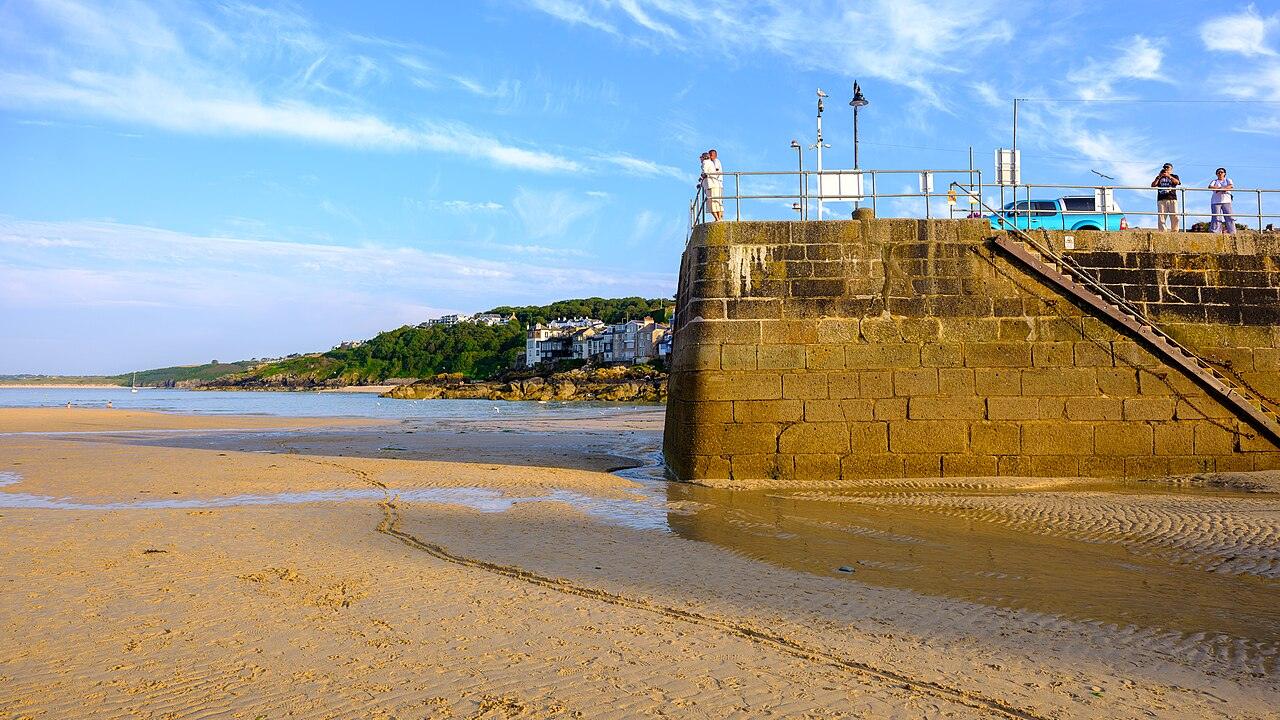
Photo: ArildV / CC BY-SA 4.0 / Wikimedia Commons
The sea is good at interrupting a schedule. Wind makes the exposed bench less appealing; rain sharpens the smell of the harbor; a calm evening persuades you to walk farther than intended. A longer coastal stay gives those changes somewhere to land, rather than asking one afternoon to deliver the perfect seaside experience.
Find a town, not just a beach
For a stay of several days, look beyond the stretch of sand in the photographs. A useful coastal base has somewhere to walk when swimming is unappealing, places to eat without a complicated journey, and shelter when the weather turns. A harbor, library, museum, or compact shopping street can matter as much as the view from your room.
Whitby in England combines a working harbor with steep streets and an exposed coastline. Collioure in France offers a different setting, where the waterfront and compact streets invite frequent returns. Both attract plenty of visitors. Neither needs to be empty to reward patience, although the busiest periods may call for more advance planning.
Consider how you want to spend an ordinary morning. If the answer involves walking for breakfast and then sitting near the water, check that your accommodation actually supports that routine. A dramatic hillside address may come with steps or a road walk that changes the feel of every small outing.
Notice the shore without assuming access
Walking the same stretch of waterfront can be enough to make each day feel distinct. Boats move, cloud changes the color of the water, and the balance between work and leisure shifts through the day. There is no need to turn these observations into a project. Choose a comfortable place and give it a little time.
Working harbors are not open-air stages. Keep clear of equipment, follow signs, and avoid standing where people are loading or landing a catch. Photographing a boat does not entitle you to step aboard it. The most respectful way to enjoy a working waterfront is often to remain at its edge.
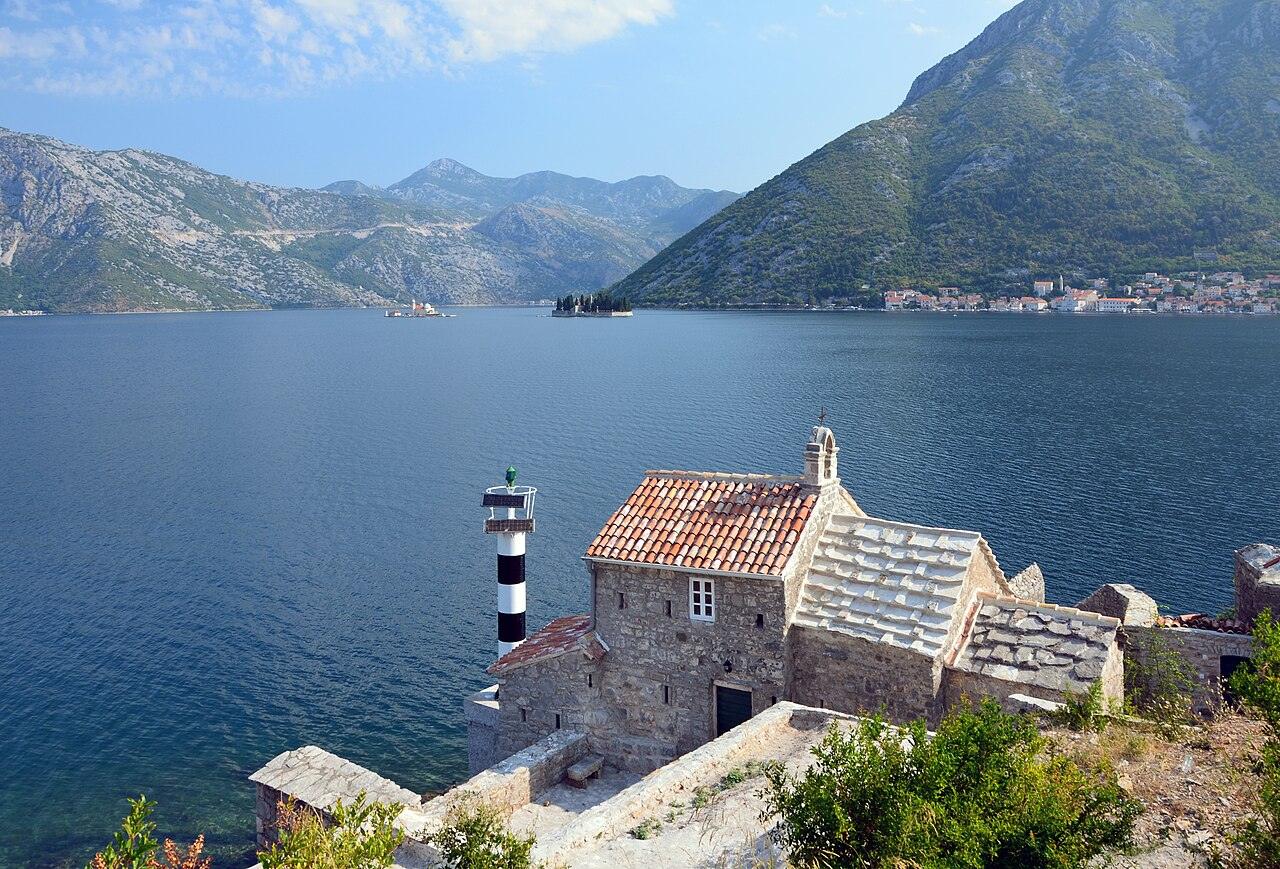
Photo: Gzzz / CC BY-SA 4.0 / Wikimedia Commons
Let conditions choose the walk
A coastal path can look gentle on a map while feeling very different in wind or heavy rain. Decide on the day's walk after checking local forecasts, official access information, and your own energy. Wear footwear suited to the surface, carry water, and leave yourself a straightforward way back.
Be particularly cautious around cliffs, tidal crossings, and coves where the exit can be cut off. Do not use another person's presence as evidence that a route is safe. If tides affect access, consult official local guidance and tide information before setting out, not once you are already on the shore.
Make meals and pauses part of the landscape
The slower pace of a coastal town often becomes clearest around meals. Instead of chasing every waterfront table, look for somewhere you can relax without treating the view as a requirement. A modest lunch away from the busiest frontage may give you the energy to enjoy the harbor later, when the light has changed.
Local seafood can be a pleasure, but availability and traditions vary. Ask what is available rather than assuming every coastal menu reflects the day's catch. If you do not eat fish, check options before committing to a small town where restaurants may be limited, especially outside the main season.
- Bring a windproof layer even when the forecast suggests a mild day.
- Leave beach equipment and belongings clear of access routes and working areas.
- Use marked public paths, take litter away, and respect seasonal wildlife restrictions.
A quieter season can offer room to breathe, but it may also mean reduced transport, closed businesses, and shorter daylight. Decide whether you want solitude or a gently active town, then check that your dates match that wish. Quiet is enjoyable when it is chosen, less so when dinner and the last bus have both disappeared.
Give yourself permission to spend an afternoon within sight of the same water. Reading a few pages, looking up, and watching the light shift can be a better use of the day than driving between viewpoints simply to keep moving.
By the final morning, you may have a preferred bench and an opinion about which direction to walk first. Nothing dramatic has happened. The sea has simply accompanied several ordinary days, and those days have become unusually easy to remember.
Questions readers ask
Is a coastal town worth visiting outside summer?
Often, if you enjoy walking and changing weather more than guaranteed beach time. Check seasonal accommodation, dining, transport, and path access before booking; quieter months can bring practical limits as well as space.
Travel details change. Please confirm transport, access and safety information with official sources before you go.
Keep wandering

Try another direction
Follow Your Curiosity
Travel inspired by architecture, food, books, art, nature, and culture.