The Small Towns You Won't Want to Leave
Some small towns become interesting just as you are preparing to leave. Give them another morning, and the pretty streets begin to reveal the ordinary habits that make a place worth staying in.
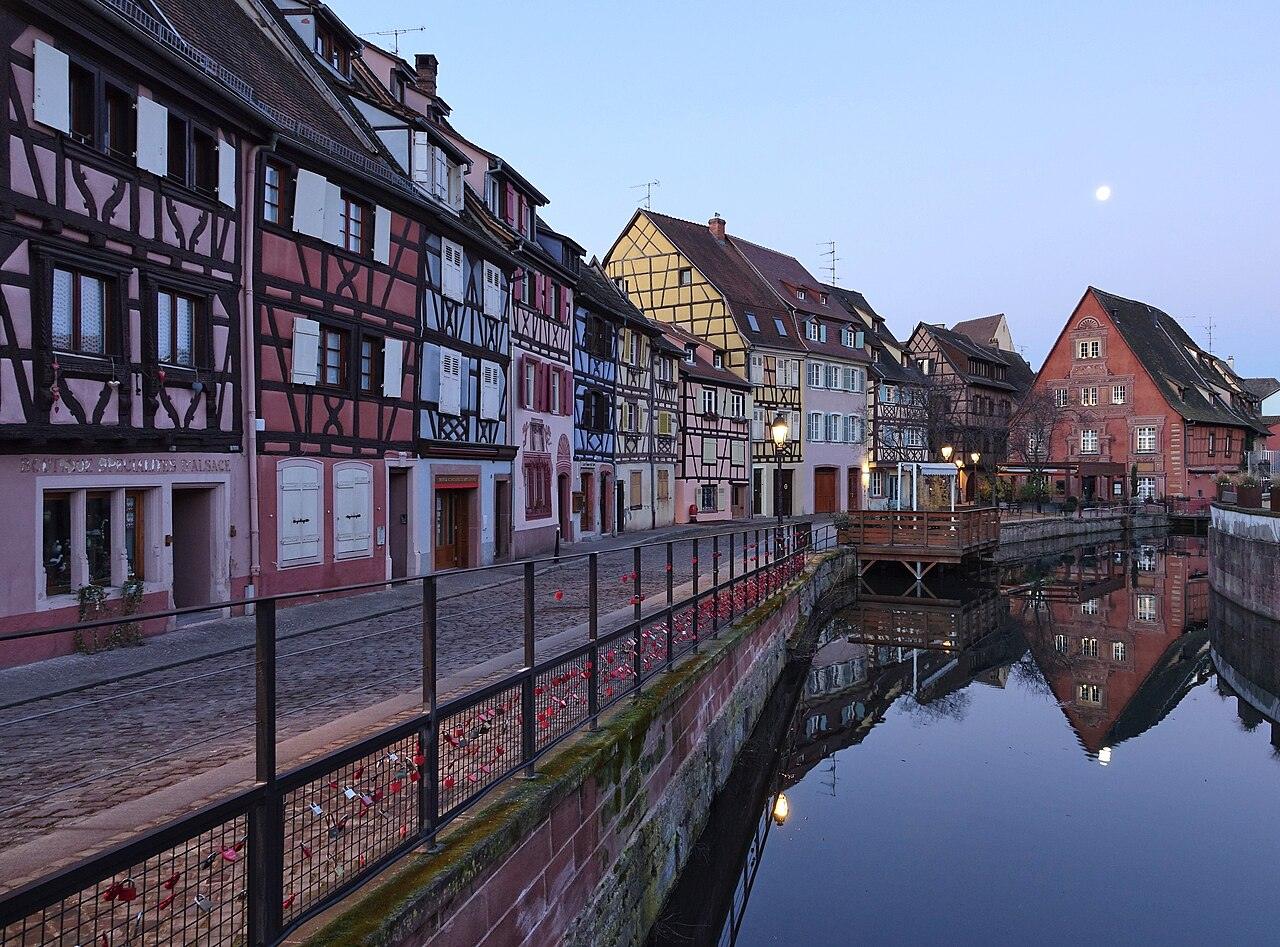
Photo: Gzen92 / CC BY-SA 4.0 / Wikimedia Commons
The first afternoon in a small town often follows a familiar pattern: find the main square, admire the stonework, photograph the view. By dinner, you may feel that you have seen it. Yet seeing the outline of a place is different from understanding how a day fits inside it.
An extra night changes the scale of your attention. You no longer need every street to deliver a discovery. There is room to return to a bakery, watch a bus arrive, or follow a lane that ends without ceremony. The town stops being a collection of sights and becomes somewhere you can briefly settle.
Choose somewhere with a life beyond the view
A beautiful setting helps, but it is rarely enough on its own. Look for a town where people still have practical reasons to gather: a market, a school, a working harbor, a cluster of shops selling things other than souvenirs. These are not guarantees of charm. They are signs that your visit can overlap with a real daily rhythm.
Tavira in Portugal invites lingering along the Gilao River and through streets that connect everyday errands with handsome squares. In Lucca, Italy, the walls offer a generous place to walk while the streets below reward repeated wandering. Neither is undiscovered, and both can be busy. Staying longer is not about finding a secret; it is about looking beyond the busiest hour.
Let repetition become part of the visit
Try the same route at different times. A square that feels like a thoroughfare in the afternoon may become a meeting place toward evening. A lane you barely noticed on arrival might be the easiest way to a grocery shop. Familiarity gives you small points of reference, so you can look up instead of constantly checking the map.
Returning to a cafe can be pleasant without turning the encounter into a story about being accepted as a local. Be a considerate visitor: order something, respect a busy table, and let people get on with their work. Recognition, if it happens, is a small kindness rather than a travel achievement.
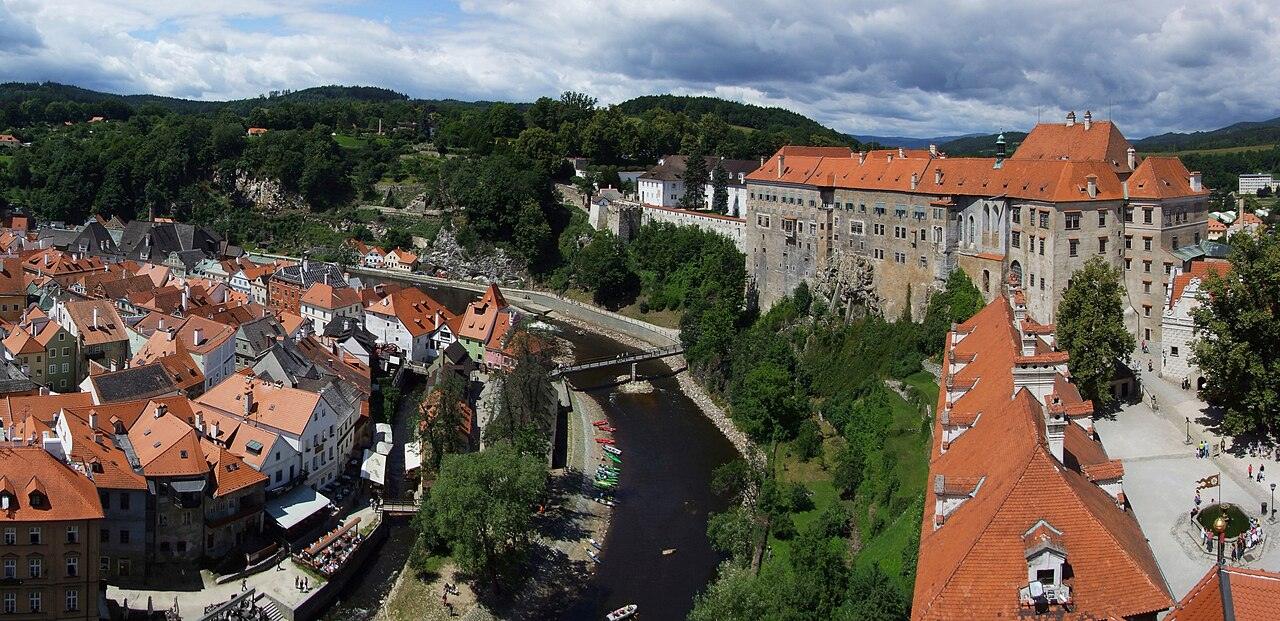
Photo: Pudelek (Marcin Szala) / CC BY-SA 3.0 / Wikimedia Commons
Make room for the town around the town
Small places often make more sense when you see their edges. Follow a public path toward gardens, farmland, or the next neighborhood, rather than assuming the historic center contains everything. In a hill town such as Beziers in southern France, the relationship between streets, river, and surrounding landscape adds another layer to a stay.
Ask your accommodation host about a manageable walk and whether the route is public. A line on a map may cross private land or involve a road with no safe walking space. Turn back freely. The point is not to collect distance, but to notice how a compact center connects with the larger place that sustains it.
- Choose one familiar stop to revisit each day, rather than continually searching for a better one.
- Leave a gap between your walk and dinner so a delay does not become a problem.
- Check the return journey before taking a local bus to a nearby village.
Know when another night will help
Stay because you are curious, not because a place looks like somewhere you ought to love. If the only available room is uncomfortable, transport is awkward, or you are restless for a different landscape, moving on is reasonable. Slow travel is not a test of endurance or a competition to have the fewest plans.
An extra day works best when you already have a modest question: what lies beyond that bridge, what the market feels like, whether the evening walk is as lovely in morning light. You do not need enough activities to fill a timetable. One good reason to remain can be sufficient, provided the practical pieces fit.
Consider leaving your phone in your pocket for that familiar stretch. Once directions are no longer necessary, the street has more room to surprise you: a window being opened, a smell from a kitchen, the changing sound of footsteps around a corner.
Before leaving, take a last ordinary walk rather than staging a farewell. Buy what you need for the journey, sit somewhere comfortable, and notice which turns now feel familiar. The most lasting souvenir may be that brief sense of knowing your way without needing to prove you have seen everything.
Questions readers ask
Do I need a car for a small-town stay?
Not always. Choose a town with a useful rail or bus connection and accommodation within walking distance of daily essentials. Check current timetables with the operator before booking, particularly for weekend departures.
Travel details change. Please confirm transport, access and safety information with official sources before you go.
Keep wandering

Try another direction
Follow Your Curiosity
Travel inspired by architecture, food, books, art, nature, and culture.