Scenic Drives Through Europe's Smaller Towns
Between Europe's headline cities, smaller towns give a driving holiday its human scale. The pleasure is in arriving slowly enough to notice how one place differs from the next.
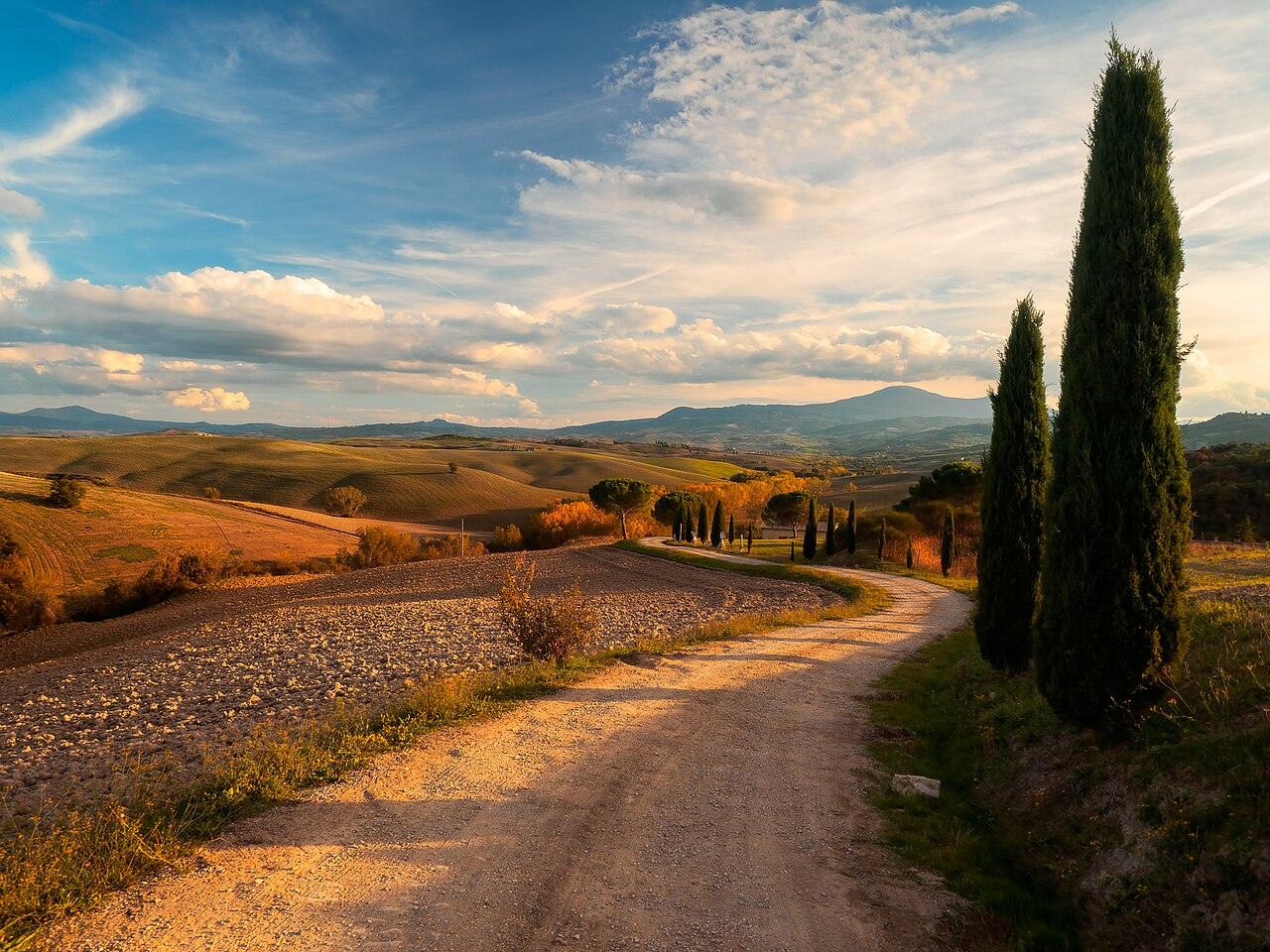
Photo: Fabrizio Lunardi / CC0 / Wikimedia Commons
A town on a hill can look complete from the road, a pleasing arrangement of roofs and towers. Then you park, walk inside and discover that its real interest is less tidy: deliveries arriving, a school emptying, a cafe rearranging chairs in the shade. The view brought you there; ordinary life gives you a reason to stay.
For this kind of journey, choose a compact area rather than a grand continental crossing. Roads that link nearby towns leave more time for walking and less for settling back into the car. A base for several nights can be especially useful, allowing you to change direction with the weather or simply repeat a place you liked.
Alsace: look beyond the postcard frontage
In Alsace, villages and small towns sit among vineyards and wooded hills, with architecture that often makes visitors reach for a camera before they have found somewhere to park. The wine-growing landscape gives the drive a clear thread, but there is no need to visit every well-known stop or make tasting the centre of the day.
Choose a small cluster and leave the car in designated parking outside the tightest streets. Walk away from the busiest lane if public access allows, looking for a quieter square or the edge where houses meet cultivated land. If wine tasting is part of your plans, arrange a non-driving alternative rather than asking the driver to make uncertain judgements about alcohol.
The distinction between a beautiful place and a pleasant visit is often timing. Arriving early or staying locally can offer a different experience from joining the busiest part of the day. That does not guarantee solitude, and it need not. The aim is enough space to look properly, not the fantasy of having a living town to yourself.
Central Portugal: make room for the approach
A route among smaller towns in central Portugal can lead through cultivated valleys, wooded slopes and settlements gathered around higher ground. Around places such as Tomar and the wider region beyond it, the landscape makes a rewarding alternative to a holiday spent moving only between the largest cities.
Avoid drawing a route that assumes every road has the same character. A direct-looking link can be slower than expected, and historic centres may have steep lanes or limited vehicle access. Check official parking information and plan to explore on foot where practical. For travellers with mobility needs, investigate surfaces and gradients as carefully as distance.
Let lunch or an overnight stay anchor the day. Smaller places can feel thin if you arrive only to circle a landmark and leave. A meal, a riverside walk and a little unclaimed time give you a better chance of noticing the town as somewhere inhabited rather than merely preserved.
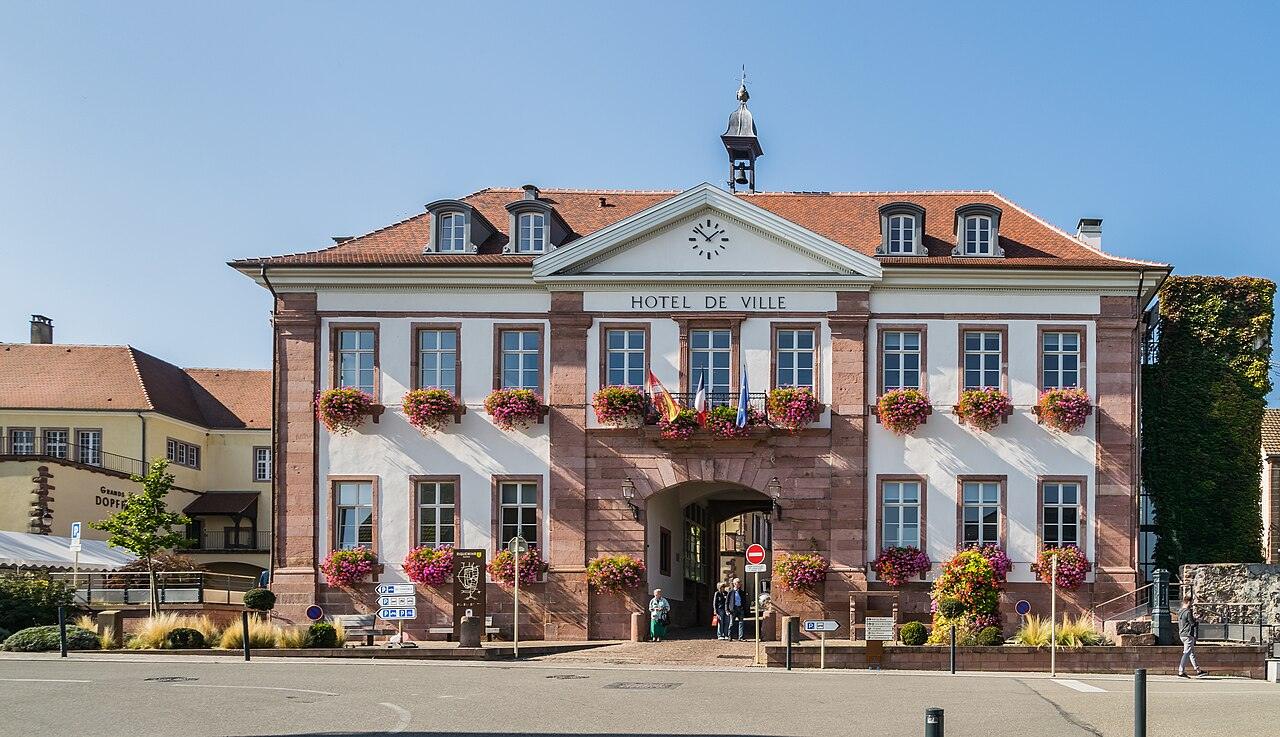
Photo: Krzysztof Golik / CC BY-SA 4.0 / Wikimedia Commons
Franconia: follow a regional thread
In Germany's Franconian towns, market squares, walls and varied building traditions can give a short journey plenty of visual character. The area suits an approach built around a few places rather than a race through a named tourist route. Pick a region you can comfortably explore and let the roads between towns remain part of the experience.
Look for the connections beneath the attractive surfaces. A river, a farming landscape or an older trading route can help explain why settlements appear where they do. You do not need to turn the drive into a history lesson. Simply noticing that a bridge gathers streets towards it can make the next town feel less interchangeable.
Check whether your accommodation has parking and whether you need to unload elsewhere before walking in. An overnight stay in a small centre can be lovely, but arriving without understanding its access rules can add unnecessary stress. Avoid following navigation instructions into a pedestrian area simply because the map suggests the shortest route.
Build days that work on the ground
Across Europe, the practical details vary by country and municipality. Restricted traffic zones, environmental requirements, toll arrangements and rental-car conditions all deserve attention before you set off. Consult official national or local guidance for your specific route. Advice from another traveller may be helpful, but it is not permission to drive through a restriction.
Think about when you want to be out of the car. In hot weather, a shaded morning walk may matter more than another stop. In shorter daylight, a generous lunch could leave you making the final approach after dark. Neither is inherently wrong, but a realistic day should reflect the season rather than an idealised photograph.
Finally, spend something where you stop when it makes sense: buy lunch, choose a local guesthouse, or pick up food from an independent shop. Keep that ordinary and proportionate. Visiting respectfully also means accepting closed doors, private courtyards and streets where the best contribution you can make is not to block them.
A smaller town rarely needs to astonish you at every corner. It needs time to become distinct. Drive less, walk a little further, and allow the distance between places to give each arrival its own character.
Travel details change. Please confirm transport, access and safety information with official sources before you go.
Keep wandering
Try another direction
Stay One More Day
Small cities, welcoming neighborhoods, islands, and places worth exploring slowly.