How to Plan a Road Trip With Room for Detours
A flexible road trip is not an unplanned one. A few clear decisions can protect the freedom to follow an interesting sign, stay longer over lunch or abandon a road that no longer appeals.
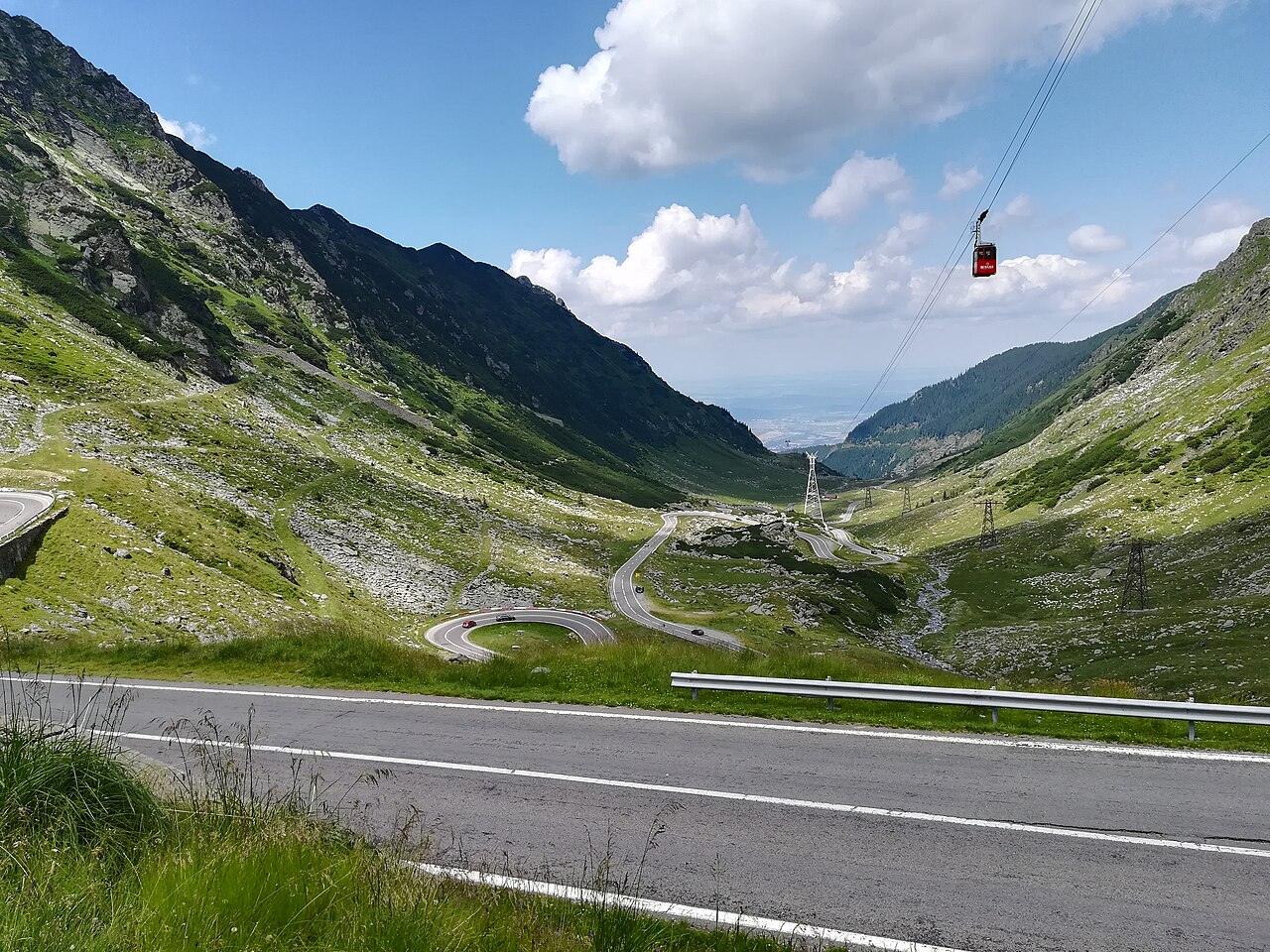
Photo: Michał Derela / CC BY-SA 4.0 / Wikimedia Commons
The map suggests a clean line. The actual day contains roadworks, a slow breakfast, somebody needing a break and a town that turns out to be more interesting than expected. If the itinerary only works when nothing happens, it has not left much room for travel.
The answer is not to stop planning. It is to distinguish between decisions that keep you comfortable and safe, and decisions you can happily make later. Fix the essentials, loosen the middle, and give yourself permission to finish with fewer places visited than you first imagined.
Choose anchors rather than a chain of stops
Start with where you will sleep and anything genuinely time-sensitive, such as a ferry, a pre-booked visit or a vehicle return. These are the anchors. Everything else should earn its place according to the time and energy left around them. A day with one firm commitment is easier to reshape than a day balanced on several appointments.
Choose overnight locations that serve the trip you want. Staying in a small town may give you a walkable evening and an easy morning, while roadside accommodation might make sense before a long transit day. Check parking, check-in arrangements and access restrictions. Flexibility feels better when you know that arriving later will not create a problem.
You do not have to book every night months ahead, but understand when spontaneity could leave you stranded. Busy holiday periods, remote areas and specific accessibility requirements can narrow your options. Book what needs certainty and leave flexibility elsewhere. There is no virtue in ending a good day with a stressful search for a suitable bed.
Budget time before you budget miles
Navigation estimates are a starting point, not a complete description of your day. They do not include lunch, comfort breaks, parking, walking from the car or the time spent deciding which turn you actually wanted. Smaller roads can demand more concentration than their distance suggests, especially in unfamiliar weather or terrain.
Build a first draft, then remove something. If that feels disappointing, label one place as optional rather than pretending it will certainly fit. Try to create a day that still works after an unplanned pause. The amount of slack you need depends on the route, the season and the people travelling, not a universal daily mileage target.
Also consider the driver's experience. A confident city driver may find mountain roads tiring, while someone comfortable with rural driving may dislike a dense urban arrival. Share responsibilities only where insurance and ability allow. A passenger who handles navigation, checks parking and watches for a safe stopping place can make a considerable difference.
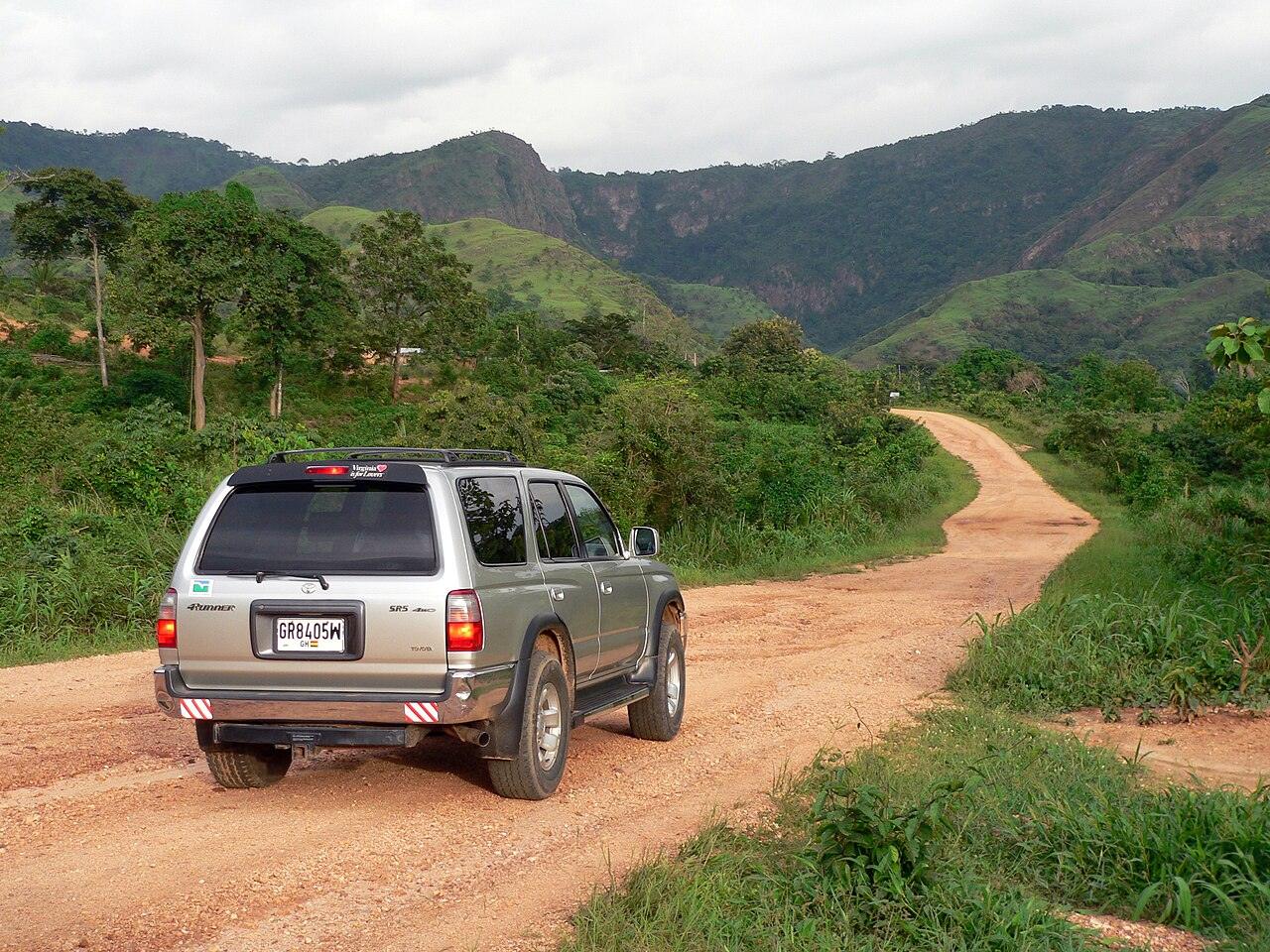
Photo: Stig Nygaard / CC BY 2.0 / Wikimedia Commons
Give detours a simple decision rule
An appealing diversion deserves three questions: how much time will it add, what does it change about the rest of the day, and does everyone actually want it? A sign for a lake might lead to an easy picnic or a lengthy side journey. Check before turning, ideally while safely parked rather than making a hurried decision at a junction.
Keep a small collection of possible diversions instead of a second full itinerary. One wet-weather option, one short walk and one pleasant town can cover a surprising range of moods. Save them on an offline map, but do not confuse a saved pin with a commitment. Its purpose is to reduce friction if you want it.
A detour can also mean doing less. Staying another hour in a place you already like is often more rewarding than driving somewhere new because it appears nearby. Count the time needed to park, orient yourself and return to the main route. The smallest-looking addition can consume the breathing space that made the day pleasant.
Prepare for the dull details
Check your licence requirements, insurance, rental conditions and relevant road rules before departure. Understand toll systems, restricted traffic zones and any vehicle-specific requirements along your route. Use official sources for current rules. A scenic road is not exempt from the practical obligations of driving, and online anecdotes may describe circumstances different from yours.
Plan fuel or charging around realistic availability, especially away from main corridors. For electric vehicles, consider connector compatibility and alternatives rather than relying on a single location. Download maps, keep essential contact details accessible, and carry the supplies appropriate to your route and weather. Preparation should reduce uncertainty, not encourage you to push into conditions beyond your ability.
Finally, agree on how you will change the plan. Someone should be able to say they are tired without having to justify it against the itinerary. Decide that bad weather, fatigue or discomfort can cancel an optional section. A flexible trip needs that social permission just as much as it needs spare time on the map.
The point of a plan is to make the journey easier to inhabit. When it leaves room for lunch to run long or a promising road to remain unexplored, it has done its job. You can come home with unfinished possibilities and still have travelled well.
Travel details change. Please confirm transport, access and safety information with official sources before you go.
Keep wandering


Try another direction
Stay One More Day
Small cities, welcoming neighborhoods, islands, and places worth exploring slowly.