The Stops That Make a Road Trip Unforgettable
A road trip often survives in memory as a handful of pauses. The right stop changes not just what you see, but how you feel about the miles still ahead.
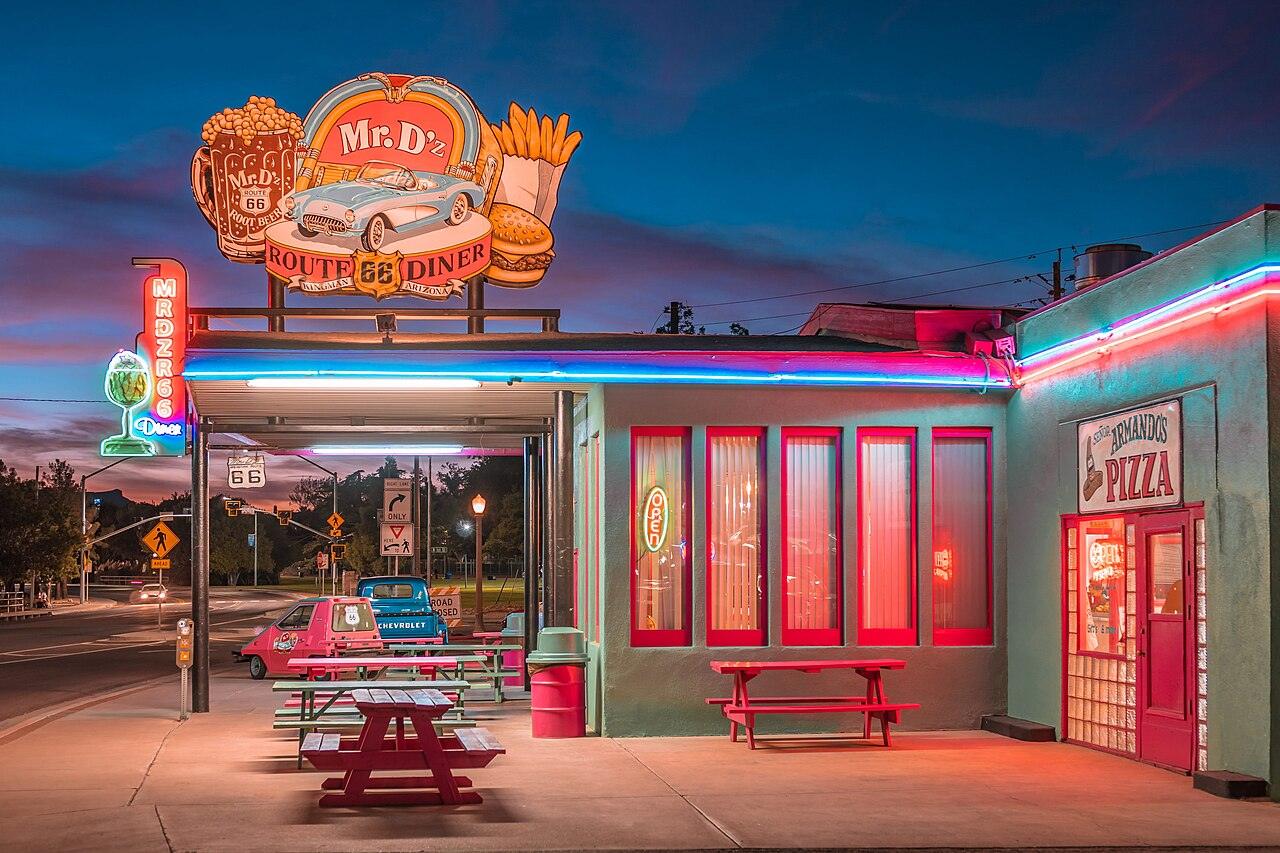
Photo: Unknown authorUnknown author / CC0 / Wikimedia Commons
At some point the conversation fades, the seat begins to feel smaller and everyone claims they can keep going. That is often the moment to stop. Not necessarily at a celebrated viewpoint, and not only when the fuel gauge insists, but somewhere you can step out of the moving day and become present again.
There are practical stops and there are memorable ones, though the categories overlap more than we admit. A good public park can rescue an afternoon. A simple bakery can become the place everyone mentions later. The trick is to recognise what the journey needs instead of asking every pause to be an attraction.
Stop for a change of scale
After a long stretch of road, choose something small enough to understand on foot. A village square, a riverside path or a harbour gives the eyes a different task from scanning traffic. You begin noticing individual things again: a bicycle against a wall, the pattern of a shop window, somebody carrying home their shopping.
This kind of stop works best when it is not overloaded. Park legally, check any time limits, and walk for a while without trying to find the most important sight. If the centre is busy or parking would create an obstruction, continue to a more suitable place. A village is somebody's everyday environment, not a stage kept clear for passing travellers.
Accessibility matters here too. A picturesque stop is not useful if someone in the car cannot comfortably reach a toilet, seating or shelter. Look for practical information before you commit to a diversion, and give everyone an equal say in what counts as a worthwhile break.
Make food a pause, not a mission
A meal can divide a driving day into two manageable chapters. It also offers a reason to enter a place you might otherwise pass, whether that is a market town, a roadside cafe or a neighbourhood beyond a city's ring road. You do not need to find a secret. Somewhere welcoming, with food that suits the group, is plenty.
Keep expectations loose and logistics clear. Markets do not necessarily operate daily, kitchens may close between meal periods, and dietary needs deserve more than hopeful improvisation. Check essential details ahead where necessary, but leave the exact order or the length of the pause undecided. Carry backup snacks so that curiosity is not forced to compete with urgent hunger.
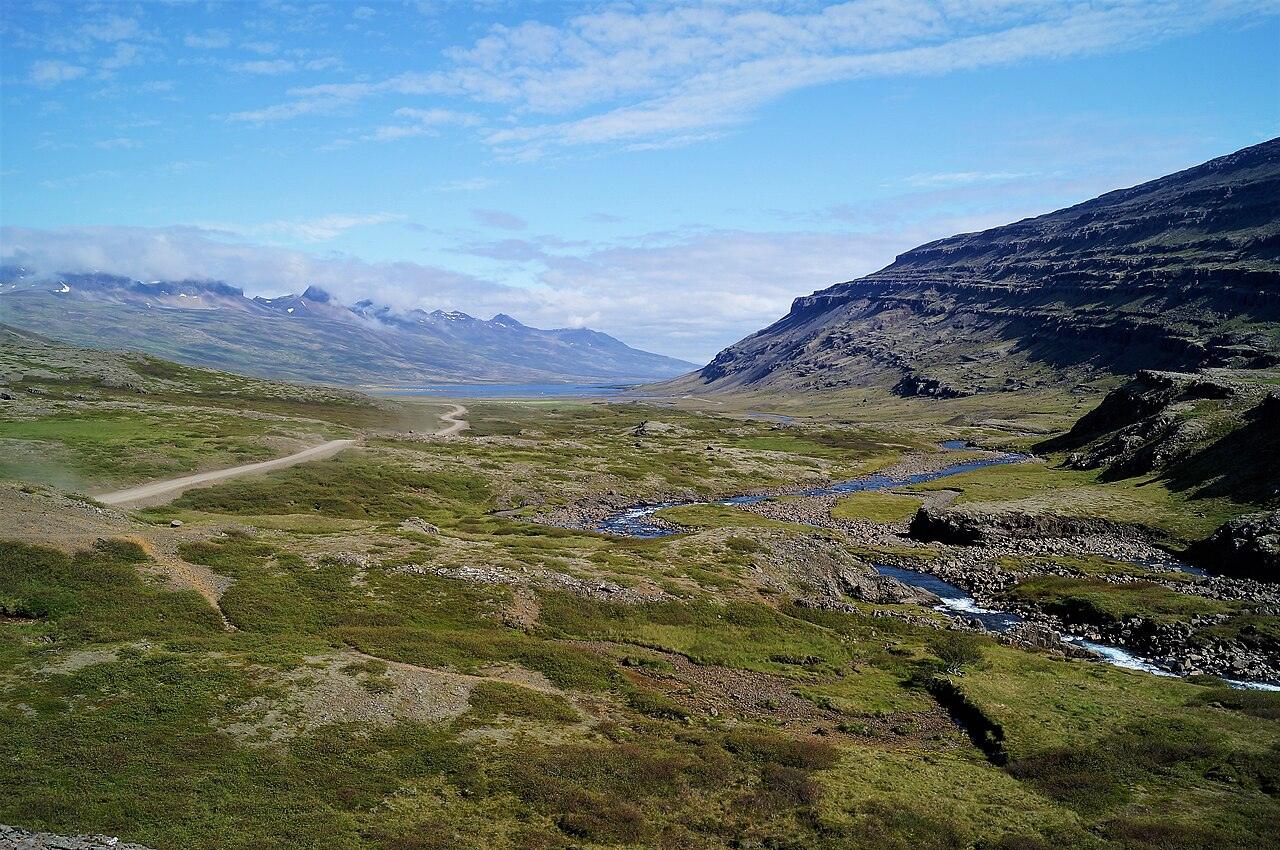
Photo: Alexander Grebenkov / CC BY 3.0 / Wikimedia Commons
Give the landscape time to arrive
A viewpoint can be disappointing when it is treated as a photograph to collect. Step away from the car where it is safe and permitted, then stay long enough for the place to do something. Cloud shifts across a hillside. A boat crosses the bay. Your attention moves from the broad panorama to the grasses near your shoes.
Not every landscape stop needs a walk, but a short marked trail can help separate you from the road. Check the distance, surface, gradient and conditions rather than assuming that short means easy. Wear appropriate footwear and turn back if weather or daylight makes the original idea less sensible.
Never improvise a roadside halt because a view has suddenly appeared. A narrow shoulder, blind bend or passing place is not a substitute for a safe parking area. Let a passenger note the location if appropriate, then look for a legal way to stop further on. Missing a photograph is a very small loss.
Leave space for the ordinary discovery
Some of the best breaks begin with an unremarkable reason: a need for water, a tired passenger, a sign for public gardens. What makes them memorable is the permission to linger once the immediate task is done. Perhaps there is a secondhand bookshop nearby, or a shady bench facing a street where people are going about their afternoon.
This is not an argument for driving aimlessly until something happens. Keep a few plausible stopping places in reserve, especially in areas with long distances between services. Knowing where the next fuel, charging point or reliable toilet might be makes it easier to enjoy an unexpected pause without worrying about the basics.
It also helps to discuss the group's stopping habits before departure. One person may want frequent short breaks, another a single longer walk. Children, older travellers and anyone managing pain or motion sickness may need a different rhythm from the driver. Build the day around real bodies rather than an optimistic arrival estimate.
When you set off again, notice whether the stop has actually helped. If everyone is still tired or irritable, shortening the route may be wiser than adding a more impressive attraction. A road trip is not improved by keeping its original shape at all costs. Sometimes the most useful discovery is that the day has already been full enough.
Later, the route may blur. The pauses are more likely to remain: warm bread, a windy bench, a conversation nobody needed to hurry. Give them room, and the road between them begins to feel less like effort and more like a shared experience.
Travel details change. Please confirm transport, access and safety information with official sources before you go.
Keep wandering
Try another direction
Stay One More Day
Small cities, welcoming neighborhoods, islands, and places worth exploring slowly.