Road Trips Worth Taking the Long Way For
The best reason to leave the main road is not always a famous viewpoint. Sometimes it is the chance to watch a landscape change slowly enough to understand it.
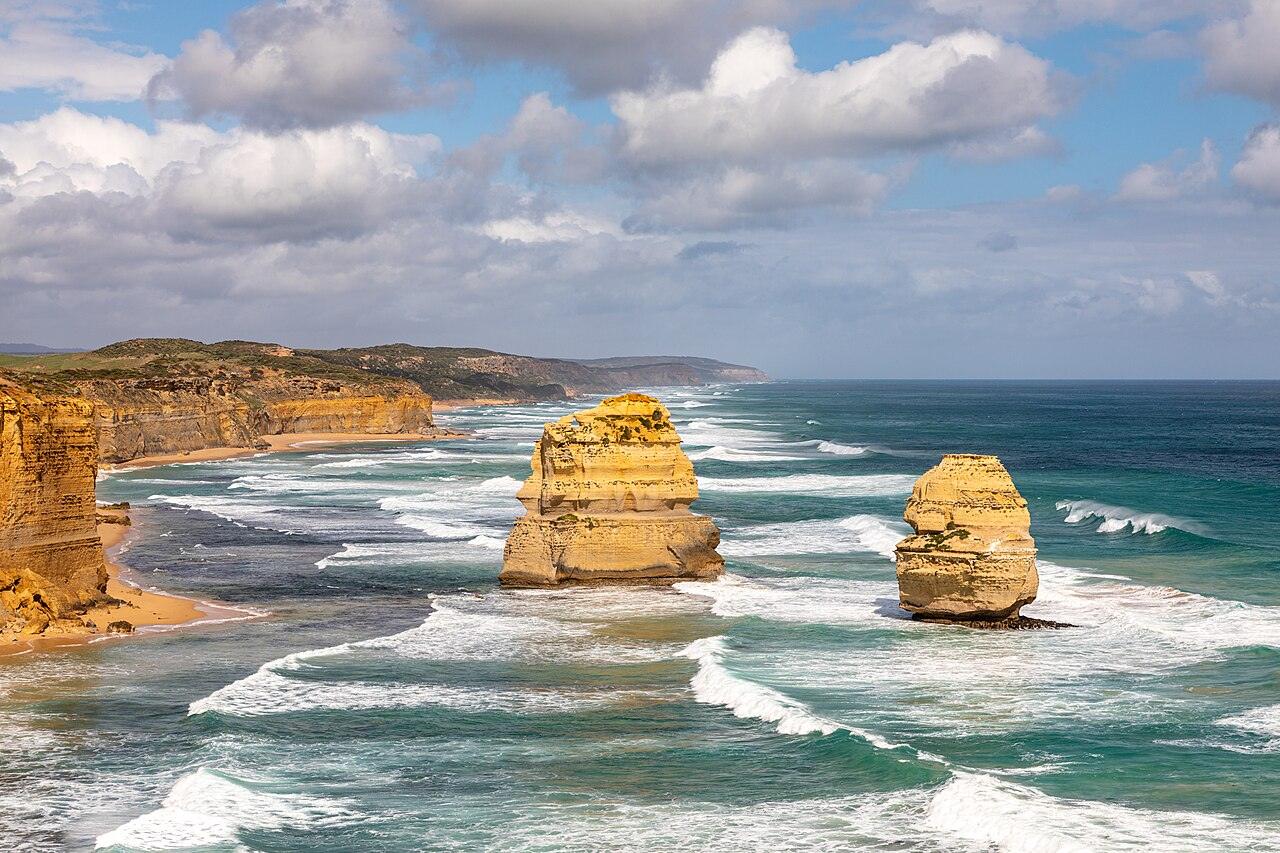
Photo: Dietmar Rabich / CC BY-SA 4.0 / Wikimedia Commons
A motorway can carry you across a country while revealing almost none of it. Take a smaller road and the transitions become legible: orchards give way to grazing land, stone walls change colour, and villages begin to gather around a different kind of church. The distance matters less than the texture between places.
That does not mean every minor road deserves your afternoon. A satisfying scenic drive needs a shape, somewhere sensible to stop, and enough time that a diversion feels like a choice rather than another delay. These landscapes reward taking the longer route, provided you resist trying to collect them all.
Follow the coast without chasing every bend
Portugal's Alentejo coast offers a different rhythm from a direct journey between cities. Roads lead inland as well as towards the sea, passing whitewashed settlements and agricultural country before returning you to the Atlantic. Think of it as a succession of short journeys rather than a continuous waterside drive. The shoreline is not always visible, which makes its reappearance more affecting.
Choose one coastal base and explore a manageable stretch from there. A beach walk and a village lunch can be enough for a day, especially when summer heat makes an exposed afternoon less appealing. Park only where permitted, stay off sensitive dunes, and check local access information before assuming a track leads to a public beach.
Let the hills set the pace
In Tuscany, the roads between smaller towns can be more compelling than a list of celebrated names. Around the Val d'Orcia, cultivated slopes, isolated farm buildings and hilltop settlements create a landscape that keeps rearranging itself. A road that looks short on a map can take your full attention, with bends, cyclists and agricultural vehicles all asking you to slow down.
Build a day around two places rather than five. Leave the car outside historic centres where required, then walk the final approach. The change from driving to walking is part of the pleasure: suddenly you can hear conversation through an open doorway and notice the shade beneath a wall. Confirm parking and restricted traffic zones before arrival, not while turning into a narrow street.
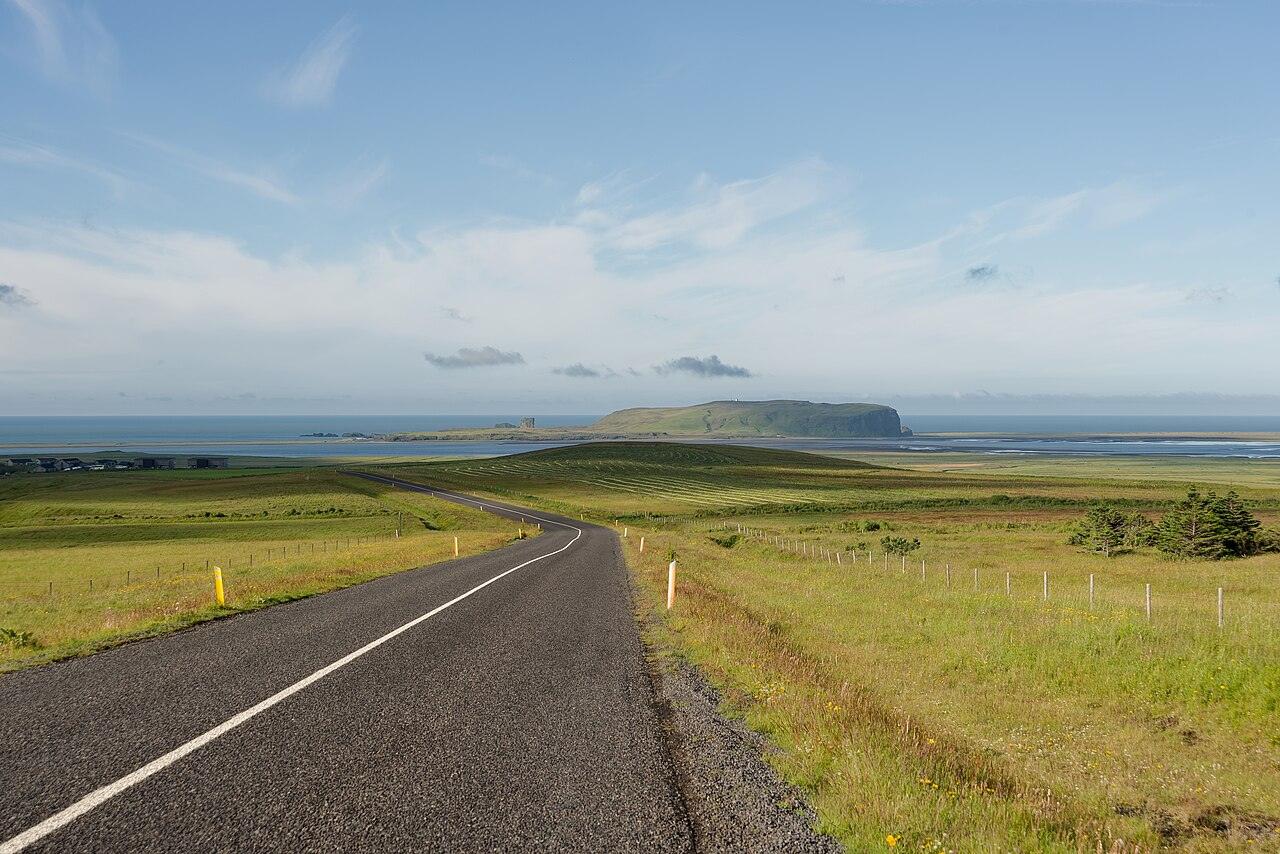
Photo: Jakub Hałun / CC BY 4.0 / Wikimedia Commons
Take the loch road with weather in mind
Scotland's western Highlands make a strong case for measuring a journey in hours rather than miles. Water, wooded slopes and open moorland can follow each other in quick succession, while cloud changes the scale of everything. A modest circuit from one base often offers more than an ambitious crossing that leaves you tired before the most demanding roads.
On single-track sections, understand how passing places work before setting out. They are for allowing vehicles to pass, not for leaving a car while you take photographs. Let faster traffic go by when safe and use designated stopping areas. Wind, rain and reduced visibility can make a planned detour unwise; taking the straightforward route is sometimes the most attentive decision you can make.
There is also value in a stationary hour. A short signed walk, a harbour watched from shelter, or a bowl of soup can help a place register more fully than another stretch of driving. Leave room for that kind of pause without treating it as time stolen from the route.
Choose a landscape, not a trophy route
These journeys work because they have a clear character: Atlantic edges, cultivated hills, lochs and mountain weather. You can apply the same idea much closer to home. Look for a river valley, an old market-town road or a chain of villages connected by a landscape you want to see, rather than simply searching for the most dramatic road available.
Then check what the map cannot tell you. Seasonal closures, roadworks, vehicle restrictions and the availability of fuel or charging can alter a plausible day. Rental agreements may also limit where you can drive. Consult official road and local tourism sources, and download your route before entering areas with unreliable reception.
A scenic drive should leave the driver with something besides concentration. Share driving only when everyone is insured and comfortable, take proper breaks, and avoid planning a difficult final stretch after dark. Passengers can handle navigation and suggest stops, but nobody should make the driver feel obliged to admire a view while negotiating a bend.
The long way earns its place when you arrive with a sense of what lay between departure and arrival. You may remember a grand sweep of coast, but you might equally remember the ordinary road where the light changed and everyone stopped talking.
Questions readers ask
Do I need a car for the whole trip?
Not necessarily. Consider renting for the rural section only, then using trains or local transport in cities. Check pickup locations and return arrangements before booking.
Travel details change. Please confirm transport, access and safety information with official sources before you go.
Keep wandering

Try another direction
Stay One More Day
Small cities, welcoming neighborhoods, islands, and places worth exploring slowly.