Finding Local Markets Without Planning Every Stop
A market can give an open day a delicious center, even when you have not mapped every stall. Learn enough to know where and when to look, then leave the smaller decisions to your appetite and attention.
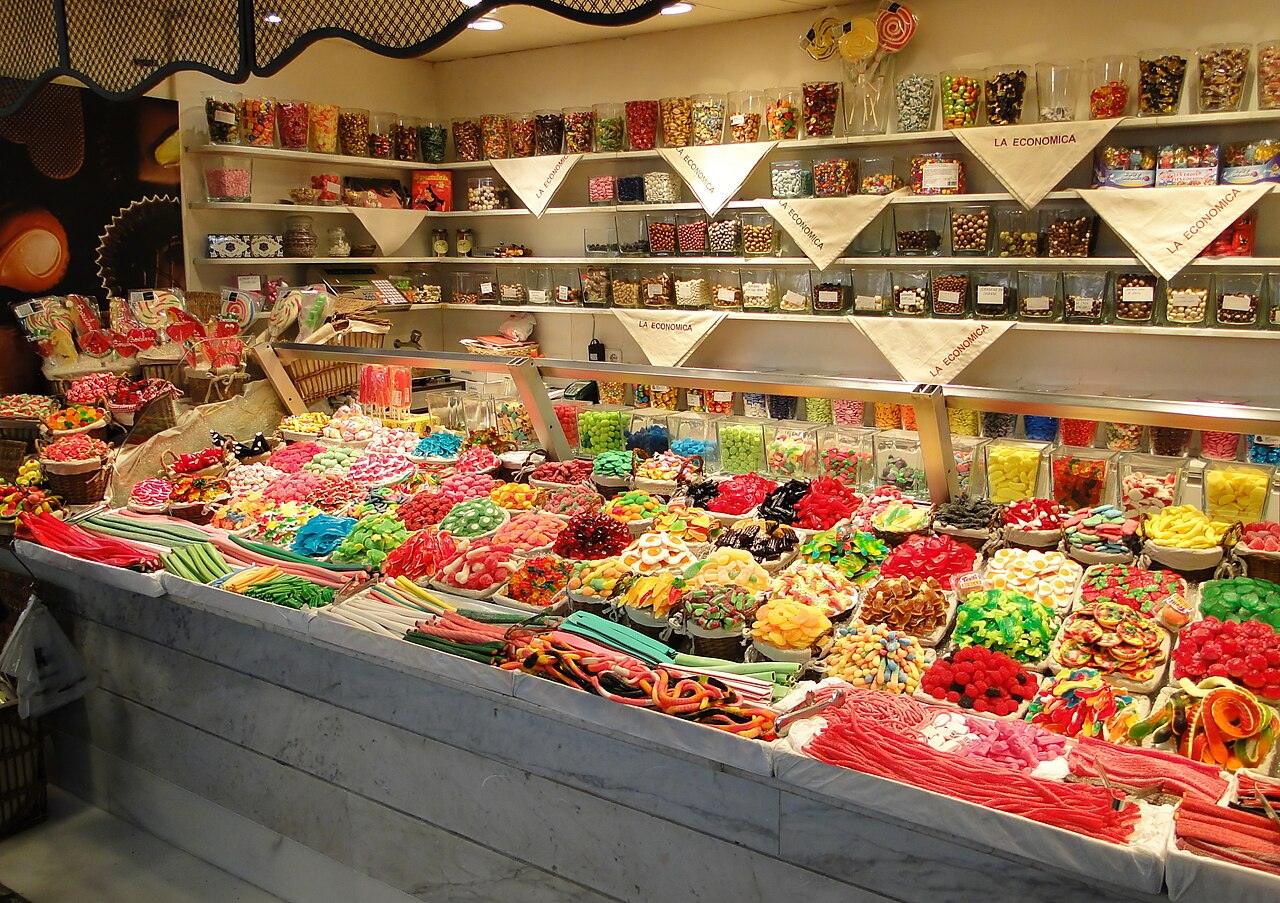
Photo: Nick-D / CC BY-SA 4.0 / Wikimedia Commons
You hear a change in the street before you understand it: more conversation, the movement of crates, a rhythm of people stopping and starting. Around the corner there may be a market, or simply a busy row of shops. Either can be worth exploring. The pleasure lies in responding to what is there, not forcing the afternoon to match an imagined scene.
Complete chance is a lovely idea, but a little information helps. Markets may operate on particular days, move seasonally, or close before you expect. If finding one matters to you, check the current details with the market organizer, municipality, or local visitor service. Confirming that a market exists today still leaves plenty of room to discover it without a stall-by-stall plan.
Ask a question someone can answer
Rather than requesting the most authentic market, ask a practical question: is there a food market nearby today, and is it open to the public? An accommodation host or visitor information desk may point you in a useful direction. If you ask a shopkeeper, choose a quiet moment and keep it brief. People working are not an unlimited travel information service.
Be open to different kinds of markets. A covered food hall, an outdoor produce market, and a mixed neighborhood market offer different experiences. Some focus on ingredients rather than ready-to-eat food, while others have seating and prepared meals. Neither is automatically more genuine. Knowing roughly what you want, lunch, picnic supplies, or browsing, helps you enjoy the place you actually find.
Take one circuit before choosing
On arrival, make a gentle first pass if space permits. Notice how queues form, whether you order at a counter, and where eating is allowed. Keep moving through narrow sections and step aside before stopping to consult your phone. The market is a workplace and a shopping space before it is a visitor experience, and your pace should leave room for both.
Look at what interests you, not only what photographs well. A modest stall selling a familiar ingredient may reveal variations you have never considered. Read labels where you can and ask specific questions when staff have time. Do not assume that everything sold was grown nearby or made by the person behind the counter. If origin matters to you, ask rather than guess.
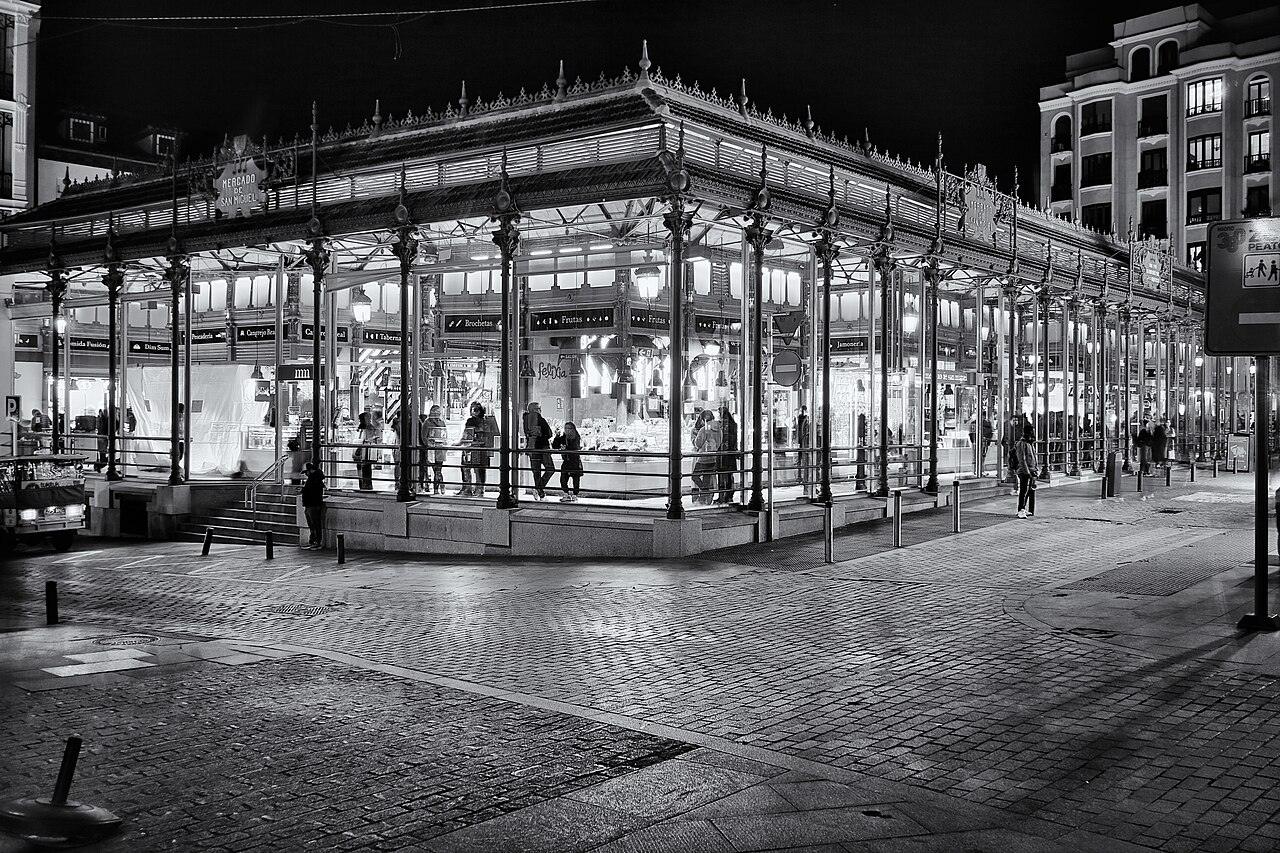
Photo: Bernard Gagnon / CC BY-SA 3.0 / Wikimedia Commons
Photography deserves the same care as shopping. Ask before making close portraits of traders or customers, and respect a refusal without negotiation. Avoid holding up a purchase to take pictures of a transaction. A market does not become more memorable because you recorded every display; sometimes putting the camera away makes it easier to notice what is happening around you.
Let appetite make a few decisions
Choose something you actually want to eat. It need not be unfamiliar, and it need not be the item everyone else seems to be buying. Check the price, portion, and ingredients before ordering if these matter to you. For allergies or other dietary needs, use clear language and understand that a busy stall may not be able to guarantee the absence of cross-contact.
- Ask before touching loose produce or taking a sample.
- Follow posted payment arrangements and check whether your preferred method is accepted.
- Buy quantities you can use, especially when you have no kitchen or refrigeration.
- Keep food at a safe temperature and wash produce when appropriate.
Bargaining is not a universal market ritual. In some places it may be expected for certain goods; elsewhere the displayed price is simply the price. Observe, ask politely if needed, and do not turn a small purchase into a performance. Respecting the transaction is more valuable than securing a story about how little you paid.
Give the market an afterlife
Once you have bought lunch or a few ingredients, look for an appropriate place to enjoy them. That might be designated market seating, a public park where eating is allowed, or your accommodation. Keep nearby entrances and working counters clear. If the market does not suit your needs, it is fine to leave and eat elsewhere. Browsing does not oblige you to buy.
Let one discovery shape the rest of the day if it appeals. A piece of bread might suggest a picnic; an interesting household object might lead you to browse nearby shops. But there is no requirement to turn every purchase into another destination. The market may have provided exactly enough: something good to eat and a closer look at an ordinary exchange.
Later, the most useful souvenir may be a new question about an ingredient you already knew. You arrived looking for lunch and left paying a little more attention. That is a generous return from a stop you did not plan very far ahead.
Questions readers ask
What if the market is closed when I arrive?
Treat the trip as a neighborhood walk rather than a wasted journey. Nearby food shops or a cafe may offer a good alternative. Check official operating information before making another special trip.
Travel details change. Please confirm transport, access and safety information with official sources before you go.
Keep wandering
Try another direction
Take the Scenic Route
Roads, railways, journeys between towns, and worthwhile stops along the way.