How to Discover a Neighborhood Beyond Its Main Street
A neighborhood often becomes more interesting just after you stop trying to find its most interesting address. Step away from the main street, stay on public routes, and give the quieter edges a little time.

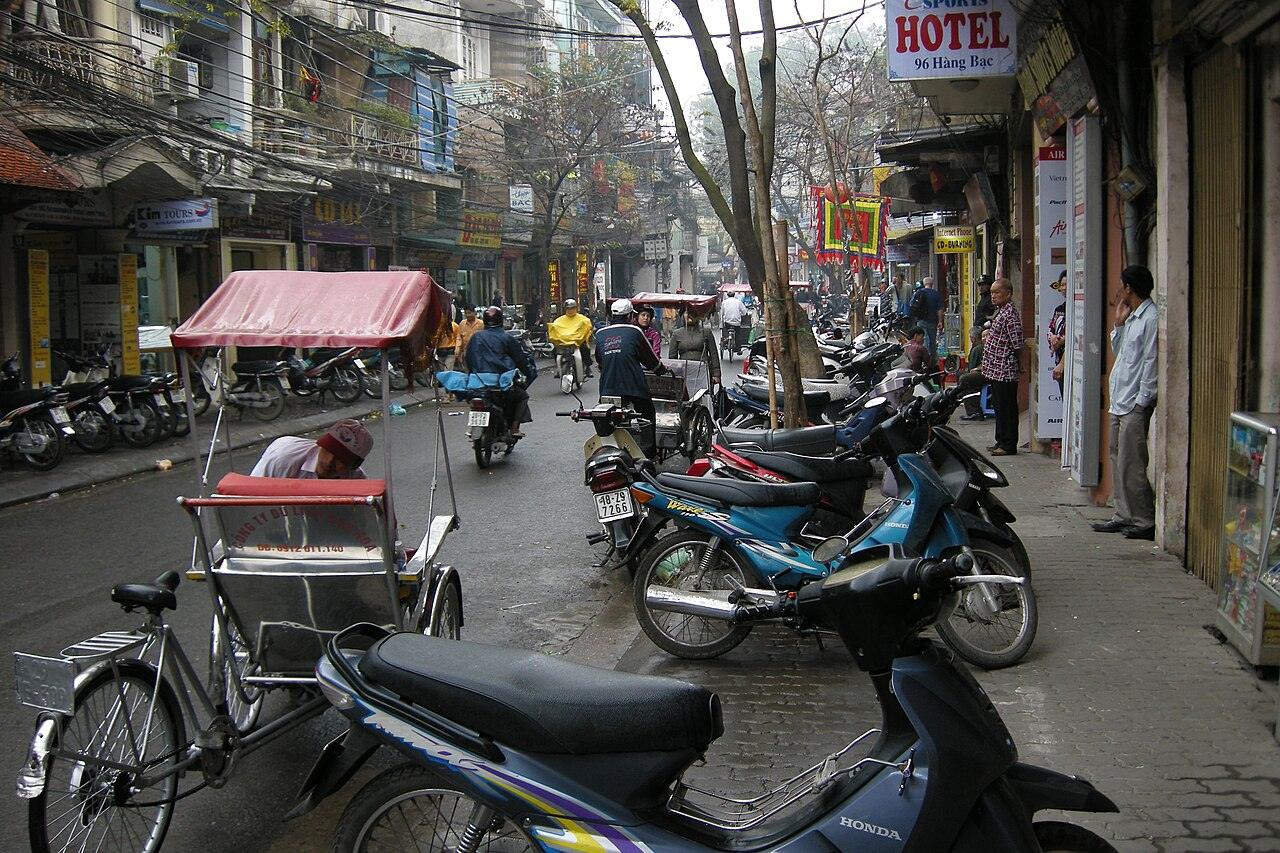
Photo: pere prlpz / CC BY-SA 3.0 / Wikimedia Commons
The main street does useful work. It helps you arrive, offers somewhere to eat, and provides a line you can find again if your sense of direction fails. There is no need to dismiss it as too obvious. But if you spend all your time there, you may miss the small changes in scale and pace that begin only a turn or two away.
Exploring beyond it is not a hunt for a supposedly untouched place. Neighborhoods are not made more valuable by having fewer visitors. The aim is simply to look at a smaller area with more patience, while remembering that what feels like a discovery to you may be somebody else's ordinary route home.
Use the main street as a handrail
Before branching off, notice a few reliable landmarks: a station entrance, a large junction, a public square. Save one on your map. Then choose a side street that looks comfortable and clearly public. You can make a small loop and return without having to commit to a whole afternoon in unfamiliar territory. The main street remains available whenever you want it.
As you turn, pay attention to what changes. Perhaps shopfronts become houses, traffic thins, or the pavement narrows. The quieter street may not be prettier, and that is fine. You are looking for a fuller picture, not a better photograph. A repair business, a school boundary, or a row of ordinary entrances can be as telling as a carefully styled cafe.
Notice the places between destinations
Maps tend to highlight named places. Walking reveals the connective tissue: the small square between two busier roads, a public bench beside planting, the corner where people stop to speak. These spaces can help you understand how a neighborhood fits together. Spend a few minutes somewhere you can pause without obstructing anyone and watch how the area is used.
Look for repetition as well as novelty. Similar balconies, a particular building material, or several businesses serving everyday needs may tell you more than one striking storefront. Avoid making confident claims from a short visit, though. You can notice that a street has several food shops without deciding what that says about everyone who lives there.

Photo: Carlos Valenzuela / CC BY-SA 4.0 / Wikimedia Commons
A photograph can sharpen attention, but it can also turn a person into background scenery. Ask before making close portraits, keep children out of your compositions unless you have appropriate permission, and never peer through residential windows for a more intimate image. The feeling of a place does not entitle a visitor to private moments.
Find an ordinary reason to stop
Buy a piece of fruit, browse a shop that genuinely interests you, or sit down for something to drink. An ordinary transaction can be a pleasant way to spend time in a neighborhood without demanding a special experience from it. Look at prices before ordering and respect the pace of the business, particularly if people are waiting behind you.
If a conversation develops naturally, enjoy it. If it does not, nothing has gone wrong. Shopkeepers and residents do not owe visitors an introduction to local culture. A specific, practical question is usually easier to answer than a request for somewhere tourists never go. Ask whether there is a nearby public park, for example, rather than asking for a secret.
- Use signed public paths, not tempting private passages.
- Keep voices low near homes and avoid blocking entrances.
- Check posted rules before entering gardens, courtyards, or communal spaces.
- Buy something only if you actually want it, not to manufacture a local encounter.
Return by a slightly different way
On the way back, try a parallel street if it is suitable. The shift may be small: different trees, more workshops, a pocket of newer buildings. This is often enough to make the neighborhood feel less like a single shopping strip and more like a place with depth. You do not need to keep pushing outward to prove that you have explored.
Think about timing, too. A street quiet during your visit may be lively at another hour, while a closed business may simply operate on a different schedule. Treat the afternoon as a glimpse rather than a verdict. If you return another day, let what you see revise your first impression instead of searching only for confirmation.
Eventually the main street appears again, familiar now in a slightly different way. You know one corner behind it and perhaps a place to sit. Nothing dramatic has happened, but the map in your mind has acquired a little depth. That is a good result for a few unhurried turns.
Travel details change. Please confirm transport, access and safety information with official sources before you go.
Keep wandering

Try another direction
Take the Scenic Route
Roads, railways, journeys between towns, and worthwhile stops along the way.