How to Find the Character of a Place After the First Day
The first day gives you landmarks; the days after that give you relationships between them. Return to a street, alter your timing, and notice what a place does when you stop asking it to be new.

Photo: CEphoto, Uwe Aranas / CC BY-SA 3.0 / Wikimedia Commons
On arrival, attention is practical and slightly scattered. You are finding the room, learning the ticket system, checking which direction leads to the center. Even a beautiful street can register mainly as part of the route from the station. There is nothing wrong with that. Getting oriented is real work.
After the first day, some of that effort falls away. A corner becomes recognizable. You know where to buy water. With fewer small problems to solve, you can notice patterns instead of isolated sights. This is often when a destination begins to feel distinctive, though not necessarily in ways you can photograph.
Repeat a route with a different question
Take a walk you have already done, but give your attention a new focus. Look at the ground-floor businesses, the way entrances meet the pavement, or where people choose to sit. You do not need specialist knowledge to observe that one square invites lingering while another moves everyone quickly through.
Timing changes the picture. A shopping street before deliveries finish may feel very different later in the day. Return at a comfortable hour and notice what has altered: shutters, traffic, shade, the uses of a bench. Avoid turning people into specimens. You are observing a shared setting, not collecting evidence about how everyone lives.
Follow everyday needs beyond the main attraction
Useful errands can reveal a different map. Finding a grocery shop, a laundrette, or a place to repair something takes you toward streets you might otherwise skip. These trips do not have to be picturesque to be revealing. The spacing of services and the ease of reaching them say something about how a neighborhood works.
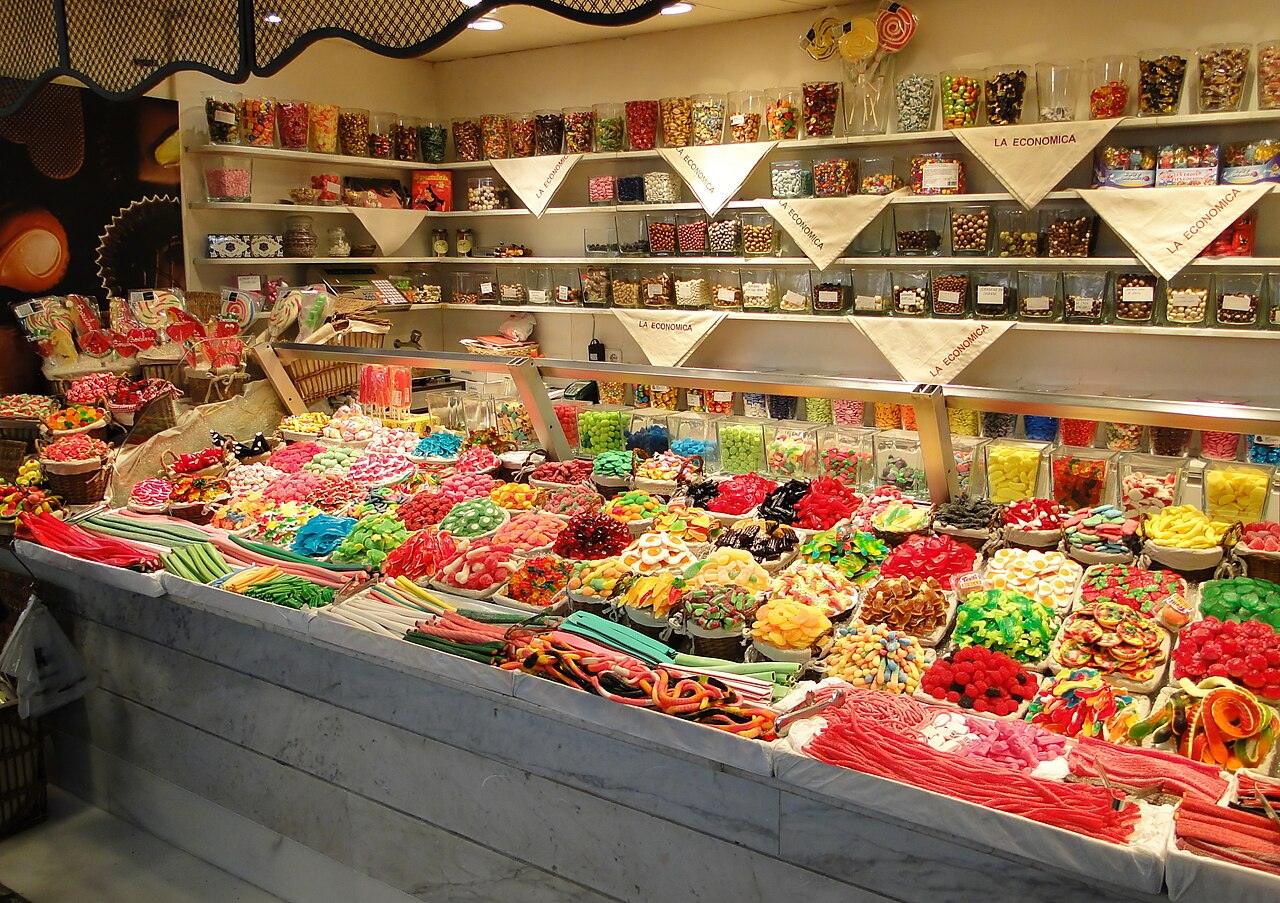
A market can be particularly helpful if you approach it as a working place rather than a performance. Look before joining a queue, notice how ordering works, and ask simple questions when staff have time. Buy something you actually want. There is no need to make a seller explain an entire food culture while other customers wait.
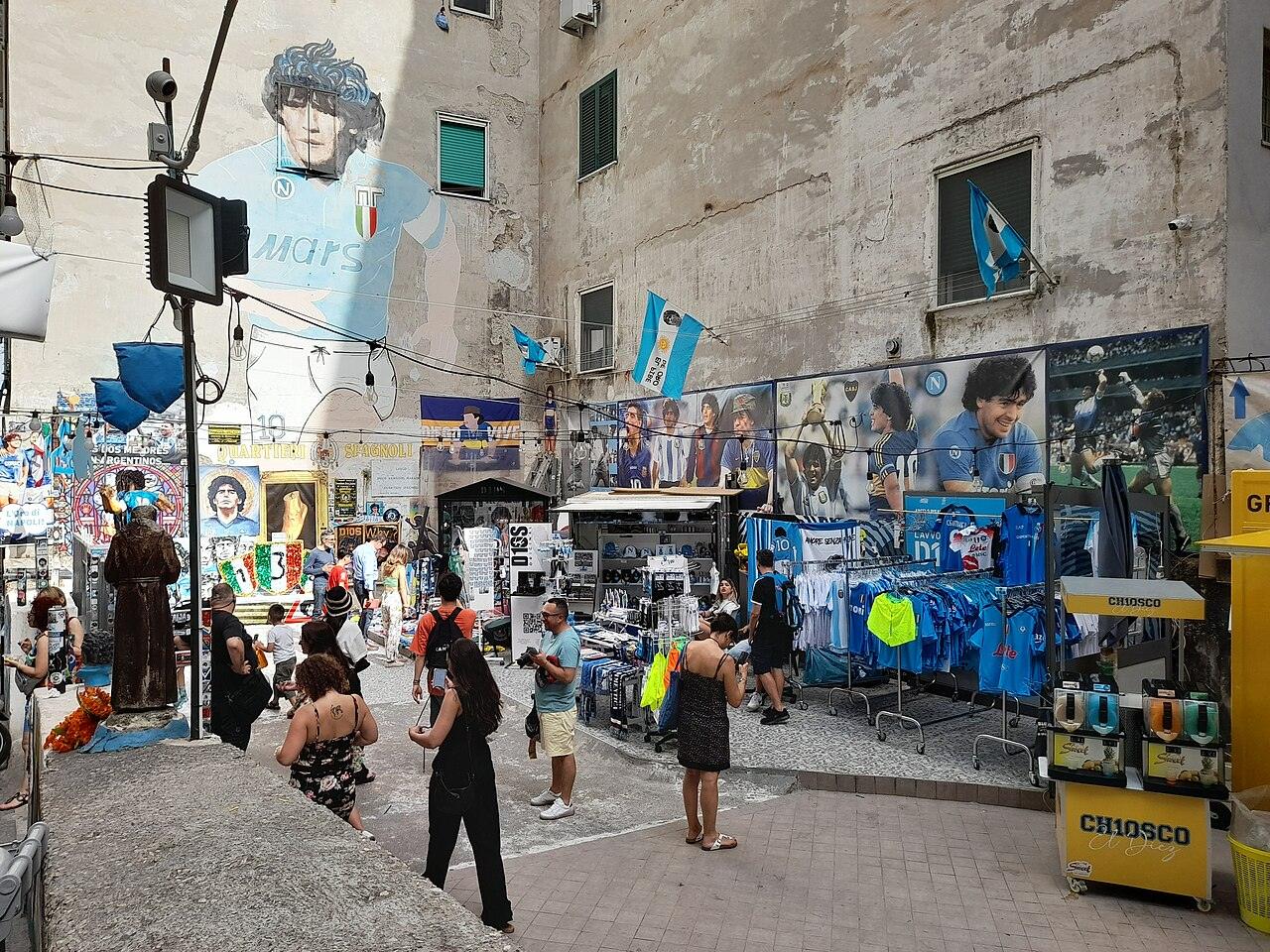
Photo: Argo Navis / CC BY-SA 4.0 / Wikimedia Commons
Let small cultural places complicate the picture
A local museum, community exhibition, or independent bookshop can add depth to what you have noticed outside. The subject may be industry, migration, a river, or a particular craft. Choose something that connects with a question already forming in your mind rather than visiting simply because it appears on a list.
Read the labels critically and leave room for more than one perspective. A collection tells a story shaped by choices about what to preserve and display. It cannot stand in for every resident's experience. Likewise, one conversation may be illuminating without becoming the definitive explanation of the place.
Have conversations without demanding a revelation
The best opening is often something specific and easily answered: whether a path is public, which bread suits your meal, or where a particular street leads. Learn a greeting and a polite way to ask your question. If someone seems rushed or uninterested, thank them and move on. Availability is not part of anyone's job description unless the service explicitly includes it.
When a conversation develops naturally, listen more than you search for a memorable line. People may talk about weather, transport, family, or rising rents rather than the charming details a visitor expected. Those subjects belong to the place too. Avoid steering the exchange toward a flattering story about your own curiosity.
- Ask permission before taking a close photograph of a person or their work.
- Treat recommendations as individual preferences, not universal local verdicts.
- Respect the difference between a public place and an invitation to participate.
Character is not always comfortable. A city can be beautiful and difficult to navigate, welcoming in one encounter and indifferent in another. Allow those impressions to coexist. Looking beyond the first day should make your understanding less simplistic, not replace an obvious postcard with a supposedly secret, equally tidy version.
You will still leave with gaps. Some routines remain invisible to a short-term visitor, and some stories are not yours to hear. The aim is not to graduate from tourist to insider. It is to become a more attentive guest, with enough familiarity to ask better questions and enough humility to leave some unanswered.
Sometimes the most useful choice is to stop taking notes altogether. Sit where you are welcome, put the camera away, and allow the surroundings to remain unrecorded for a while. Attention does not need a finished product to have been worthwhile.
On your last walk, notice what you no longer need to search for. Perhaps it is the turn toward your room or the shaded side of a square. That modest familiarity is worth keeping: not possession of a place, but a small relationship with it, built by paying attention more than once.
Travel details change. Please confirm transport, access and safety information with official sources before you go.
Keep wandering
Try another direction
Follow Your Curiosity
Travel inspired by architecture, food, books, art, nature, and culture.