Traveling for the Small Museums and Unexpected Collections
A modest museum can turn an ordinary object into the most interesting thing you see all day. Follow a collection devoted to one trade, one material or one person, and discover how much of the wider world fits inside a small room.
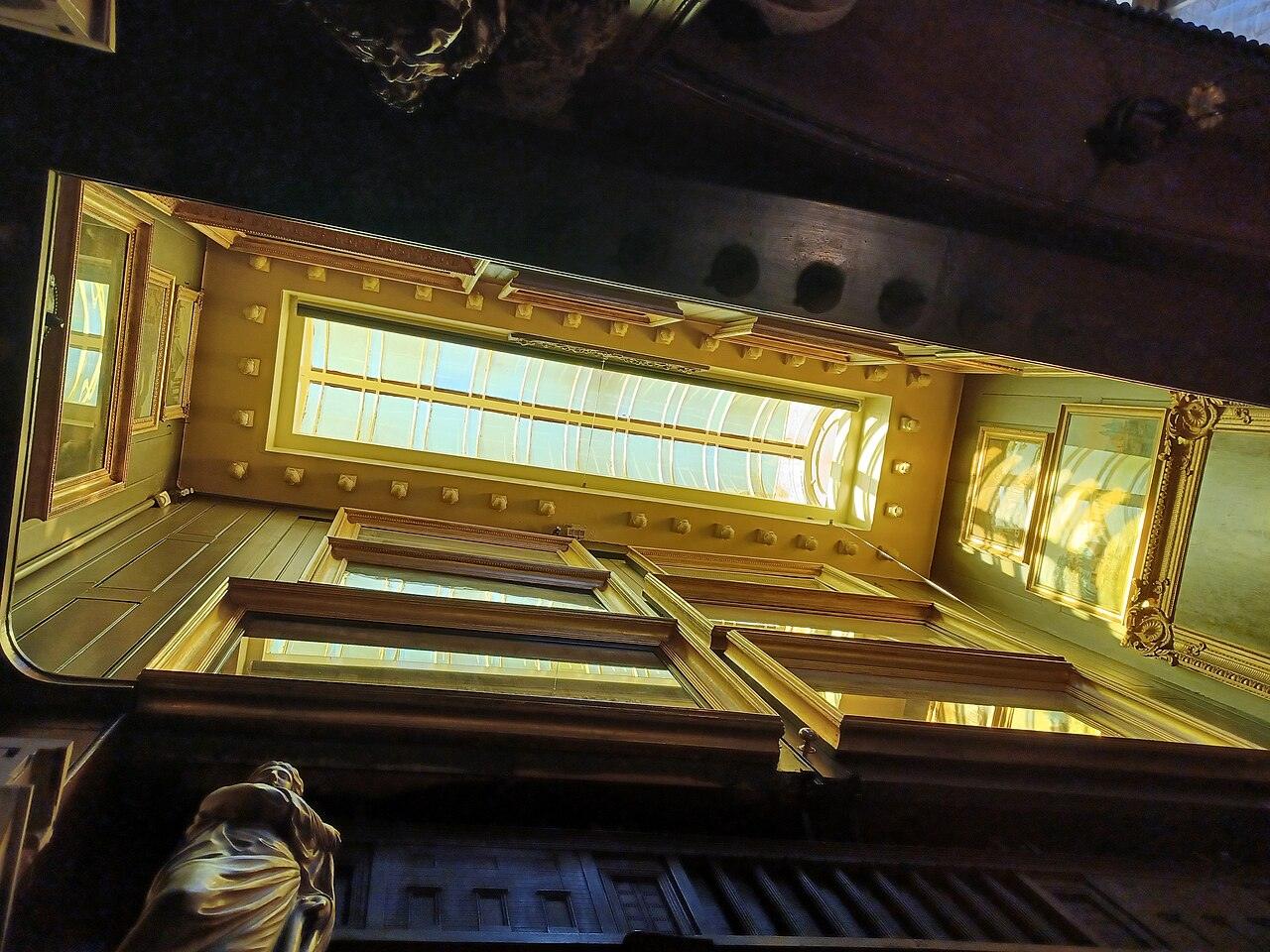
Photo: Simon Burchell / CC BY-SA 4.0 / Wikimedia Commons
A row of tools behind glass might not sound like the beginning of a memorable afternoon. Then a label explains the movement each one made possible, and the tools become hands, working days and changing technology. Small museums often work through this shift in scale. They ask you to look at something narrow until it opens into a much larger subject.
That focus can be refreshing after a major institution where whole centuries compete for your attention. A collection of musical instruments, household objects or local industrial equipment does not require you to survey everything. You can follow one line of thought and come away with questions that feel usefully specific. The point is not that small is automatically better, but that a concentrated encounter offers different pleasures.
Follow the subject you nearly overlooked
Look beyond lists of headline attractions. Municipal cultural pages, regional museum directories and the recommendations of a staffed visitor center can reveal collections that are easy to miss. Choose one with a subject that tugs at your attention, even slightly. Textiles, transport, medicine or a local waterway might connect to an interest you already have, or interrupt your usual way of choosing what matters.
Check the museum's own information before making a special journey. Smaller institutions may open seasonally, rely on volunteers or welcome visitors only by arrangement. Exhibits can also be temporarily unavailable. Verify the location carefully when a collection is housed within another building or spread across several sites. A modest amount of preparation protects the unhurried visit you are hoping to have.
Give a few objects your full attention
Once inside, choose an object that seems both familiar and strange. A domestic appliance may resemble something you recognize while working in a completely different way. Ask what problem it solved, who could use it and what it required from the person operating it. These questions bring function and social context into the room without demanding specialist knowledge.
Compare two similar objects if the display allows it. A change in material, weight or decoration may suggest altered manufacturing methods or different users. Be cautious about making a confident historical claim from appearance alone. Labels, catalogues and staff can help distinguish a plausible guess from documented knowledge. Sometimes the most honest and interesting answer is that the object's full story has not survived.
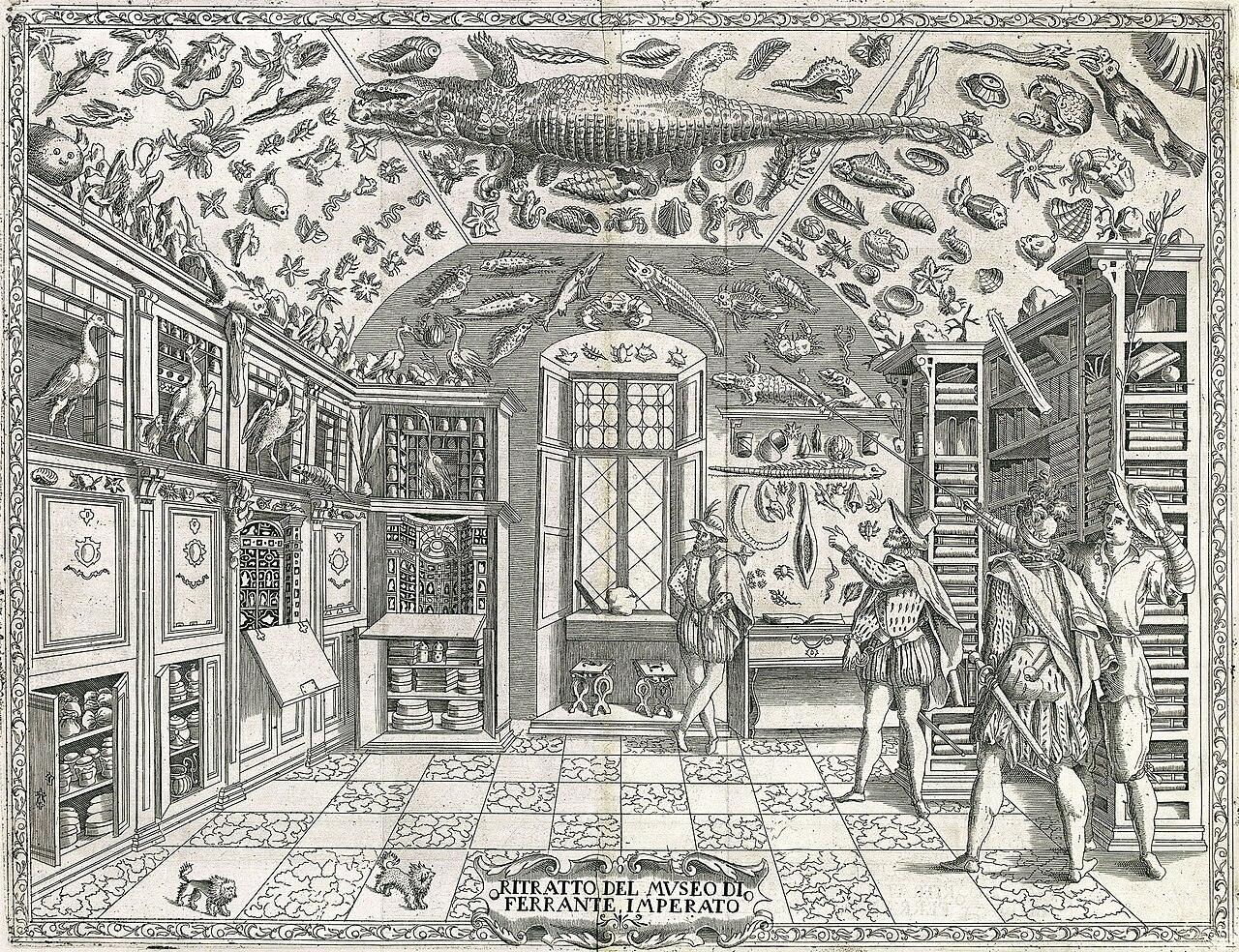
Photo: (Anonymous, for Ferrante Imperato) / Public domain / Wikimedia Commons
Listen for the collection's point of view
Every museum has a perspective, however plain the display cases appear. Notice whose names are recorded and whose labor remains anonymous. Is the story centered on an inventor, an employer, a household or a community? Does it describe a technology only as progress, or also consider its costs? You can enjoy a collection while noticing that it presents a partial account.
This matters especially when objects came from distant communities or were gathered under unequal conditions. If provenance information is available, read it. If it is absent, avoid supplying a reassuring story yourself. Small museums vary widely in resources and curatorial approach. Thoughtful questions can deepen a visit, but a volunteer welcoming visitors may not have immediate answers about every part of the collection's history.
Take the subject back outside
After a museum about a trade, look for traces of that trade in the surrounding streets: old workshop windows, a surviving sign or a street name that invites further reading. Do not assume every suggestive building has the connection you imagine. The pleasure lies in noticing possible relationships and checking them, not confidently turning the whole neighborhood into an extension of the display.
A small museum can also change how you see an everyday object at home. A bowl becomes evidence of material and technique; a ticket raises questions about who could travel and how. This is a particularly good kind of souvenir because it does not require a purchase. A few notes about one object may preserve more of the visit than a rushed photograph of every case.
Leave time afterward for the subject to settle. A collection need not be charming, quirky or beautifully presented to be worth thinking about. Sometimes its value is a stubborn detail that follows you out, making an ordinary thing feel newly complicated and the world around it a little less obvious.
Questions readers ask
How much time should I allow?
Let the museum suggest a typical visit length, then leave some flexibility. A small collection can be quick to walk through but rewarding to study slowly, especially if a demonstration or guided visit is available.
Are small museums suitable for children?
Some are excellent for curious children, but do not assume hands-on displays or family facilities. Check the subject, visitor guidance and available activities before planning the day around one.
Travel details change. Please confirm transport, access and safety information with official sources before you go.
Keep wandering


Try another direction
Pick a Direction
Inspiration for travelers who know they want to go somewhere but have not chosen where.