The Bookshop Trail: Travel One Story at a Time
A bookshop can send a journey in an unexpected direction, toward a neighborhood, a writer or a landscape you had not considered. Build a loose trail between shelves, then leave time for the stories outside the door.
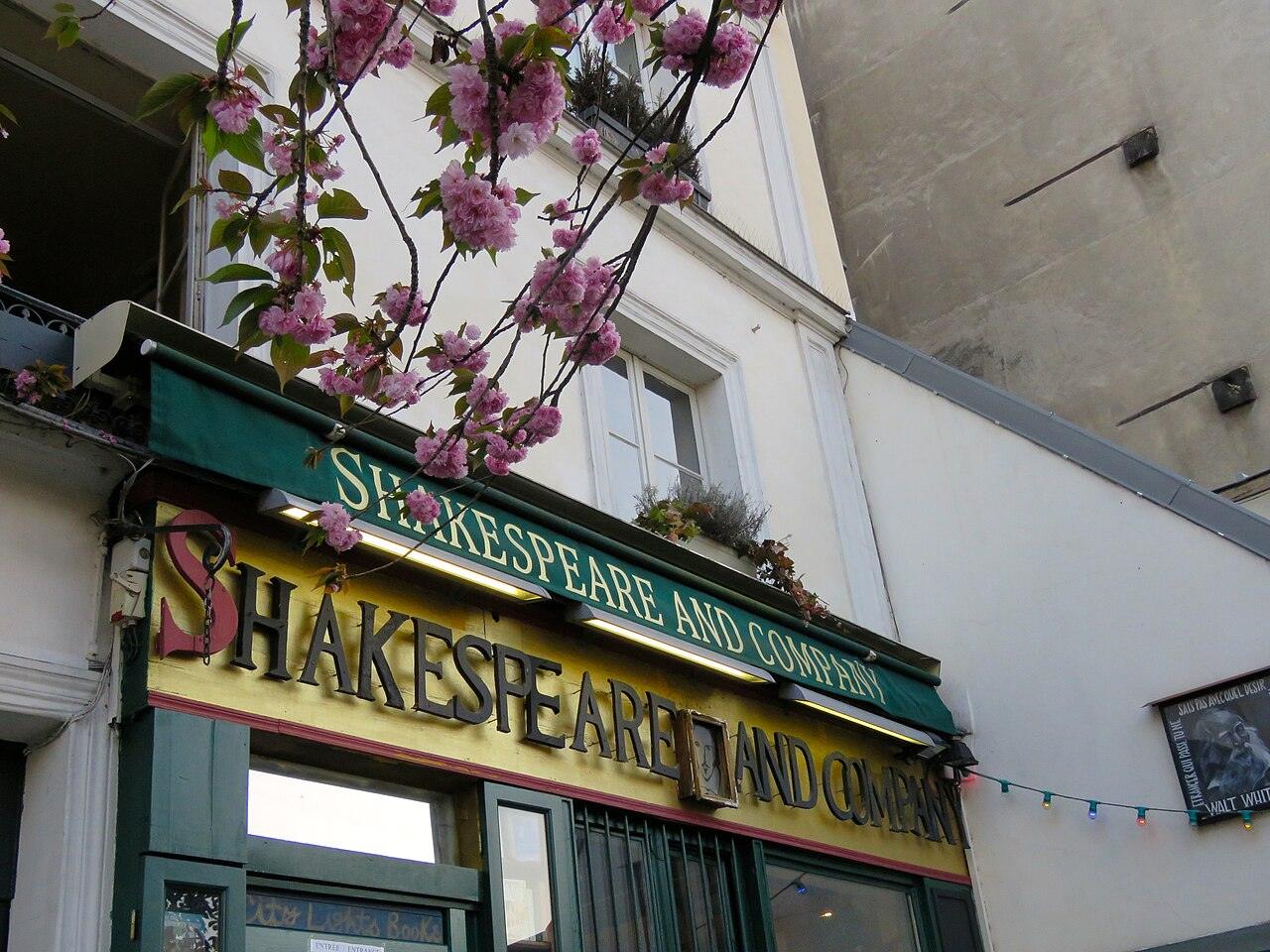
Photo: ssedro / CC BY-SA 2.0 / Wikimedia Commons
Some journeys begin with a place name found in a paragraph. Others acquire their shape in a bookshop, when a display introduces a subject you did not know you cared about. A literary trail does not need a famous author or a luggage allowance devoted to hardbacks. It needs a willingness to browse without knowing exactly what you hope to find.
Choose one shop as an anchor and let the rest remain provisional. An independent bookseller, a secondhand specialist or a shop attached to a cultural institution can each offer a different view of the same city. Check current opening information before setting off. Small businesses may have schedules that do not match the long, predictable hours of a shopping district.
Begin with the shelves about here
Local history, translated fiction, poetry and walking guides are useful places to start, but do not expect a single shelf to explain a city. Booksellers make choices, publishers make choices, and the available languages shape what you can discover. Treat the selection as one thoughtful perspective among many. The gaps can be interesting too, provided you resist inventing explanations for them.
If staff have time, ask for a recommendation with a little direction. A novel set nearby, a short book by a local writer, or an essay about the surrounding landscape gives them something workable. Asking for the one book that captures an entire country is a heavier assignment. You may receive a more surprising recommendation by admitting what you usually read and what you would like to try.
Give different shops different jobs
A secondhand shop rewards patience and a tolerance for imperfect systems. A specialist shop may offer depth in photography, architecture or children's literature. A general neighborhood bookshop can reveal current interests through its front table. Rather than seeking the best shop in town, notice how each serves its readers. The differences make a trail, even if the shops are only a short walk apart.
Plan no more stops than you can browse with attention. Reading spines takes energy, and crowded aisles are not improved by a traveler trying to complete a challenge. Buy within your means and luggage limits. If you are only looking, be considerate about handling fragile stock, replacing books correctly and asking before photographing pages or displays. A bookshop is welcoming space, but it is also somebody's livelihood.

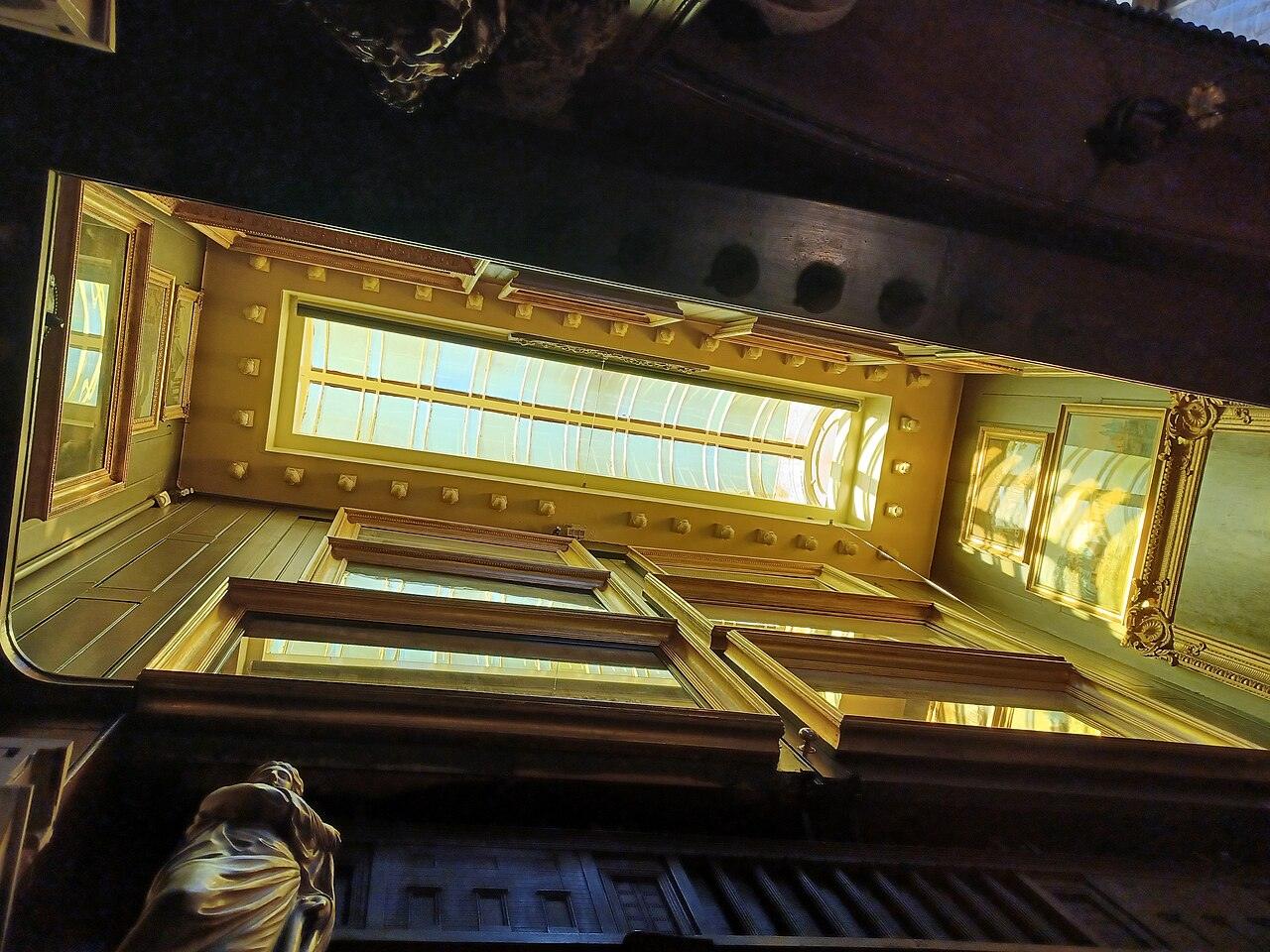
Photo: Davide Cantelli cant89 / CC0 / Wikimedia Commons
Read something before moving on
After buying a book, find a suitable place to open it. That might be a public bench in dry weather, your accommodation, or a cafe where you order something and follow the house's approach to lingering. Read a few pages while the choice is fresh. Otherwise a promising discovery can remain a souvenir you carry without ever entering.
Let the text alter your afternoon gently. A reference to a river might suggest a waterside walk; a description of apartment life might make you look more carefully at balconies. Fiction is not a factual guide, and a historical scene may bear little resemblance to today's streets. Enjoy that distance instead of trying to force a perfect match between every sentence and the present city.
Leave room for the unbought book
Not every discovery needs to travel in your bag. Note a title and author, including the translator where relevant, and look for an edition you can access later. A library copy or an ebook may suit your journey better than a heavy volume. Avoid treating a helpful bookseller as a free research service for a purchase elsewhere, but recognize that buying everything you admire is neither necessary nor realistic.
You might also follow the trail into a public library, where visitor access is permitted. Look for exhibitions, reading rooms or local collections, and confirm any registration requirements before assuming you can use specialist material. Libraries and shops do different work. Together they suggest a richer literary landscape than a sequence of picturesque interiors chosen solely for photographs.
At the end of the day, the trail may consist of one receipt, two names written down and a few pages read slowly. That is plenty. A good bookshop journey keeps unfolding after the train leaves, whenever a sentence returns you to a street you now remember differently.
Questions readers ask
Do I need to visit a famous literary city?
No. A single thoughtful shop can make an absorbing afternoon almost anywhere. Start with what is available locally rather than measuring the trip against an established literary reputation.
Can I visit author homes without booking?
Some are museums with set visiting arrangements; others remain private homes. Check official information and never assume a literary connection makes a residence open to visitors.
Travel details change. Please confirm transport, access and safety information with official sources before you go.
Keep wandering

Try another direction
Pick a Direction
Inspiration for travelers who know they want to go somewhere but have not chosen where.