How Local Streets Reveal a City's Everyday Culture
A city becomes more legible when you stop looking only for its highlights. On ordinary streets, doorways, shopfronts and shared spaces offer glimpses of daily life, provided you remember that a neighborhood is a place people live, not a performance for visitors.
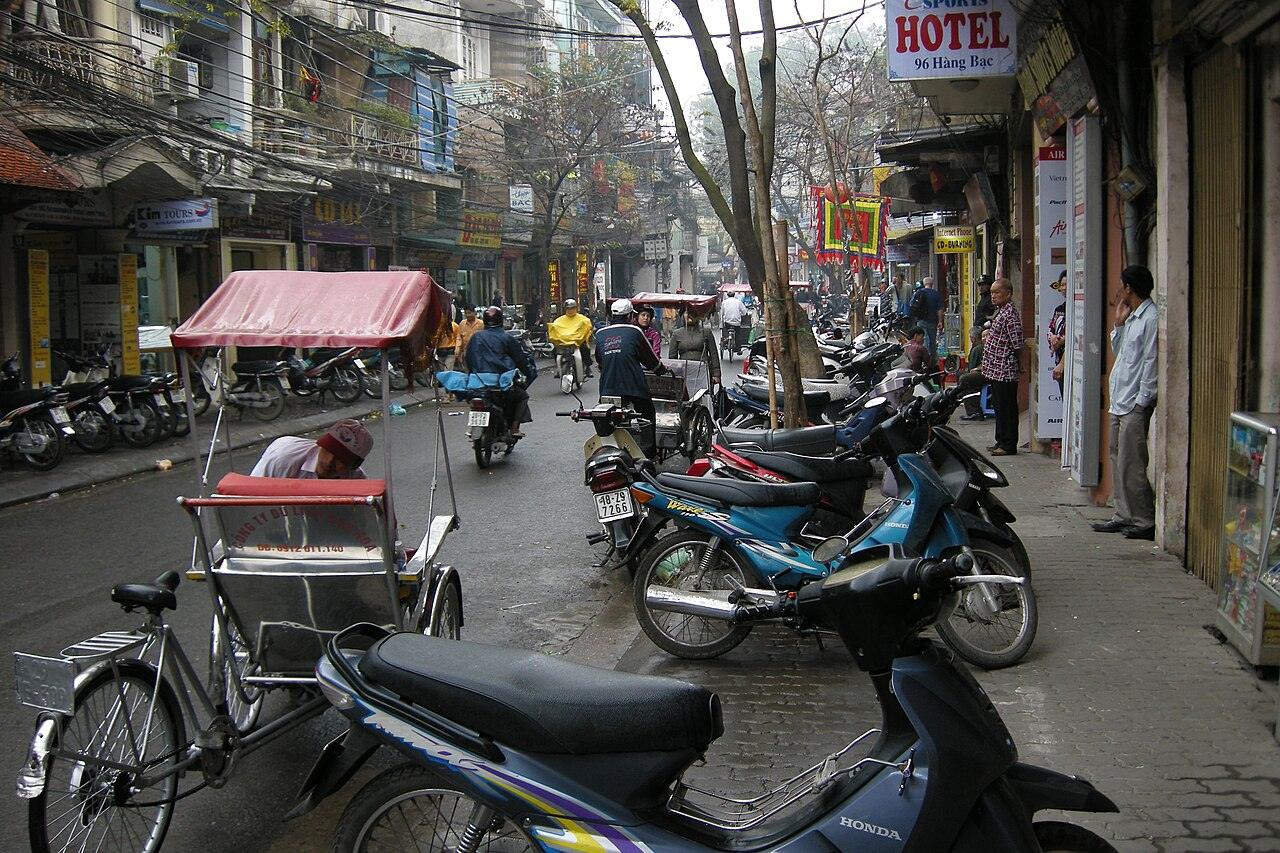
Photo: Vyacheslav Argenberg / CC BY 4.0 / Wikimedia Commons
Begin with the street you are already on. There is no need to travel across town in search of a supposedly untouched district. A delivery arriving, a notice in a window or a bench placed just out of the wind can give you something to notice. Ordinary life exists beside famous sights too, though crowds sometimes make it harder to see.
The aim is not to decode an entire culture during one walk. Streets contain differences of age, income, habit and preference, often within the same block. What you see is a partial view at a particular time. Hold your interpretations lightly, and the walk becomes more interesting: less an exercise in collecting evidence, more an opportunity to ask better questions.
Pay attention to the ground floor
Look at what meets the pavement. Shops, entrances, shutters, ramps and small workshops shape how a street feels to someone moving slowly through it. Notice whether businesses invite browsing or mainly serve a practical purpose. A repair shop or a place selling household goods may reveal routines that a souvenir window cannot, but neither tells the whole story of the people who live nearby.
Signs are especially good prompts for curiosity. Repeated languages may reflect several communities; a handwritten notice may announce a neighborhood event or a change in opening arrangements. Translate discreetly if it helps, but do not assume every message is addressed to you. Some windows belong to private homes, and a detail visible from the pavement is not automatically an invitation to photograph it closely.
Watch how shared space is used
A square can act as a crossing point in the morning and a place to linger later. A wide step may become an informal seat, while a narrow pavement keeps everyone moving. Look at what the layout makes possible rather than assigning a national personality to the people using it. Shade, traffic, weather and the availability of public seating can explain a great deal.
Choose a legitimate place to pause: a public bench, a park seat or a cafe where you are a customer. Sitting still often reveals patterns that disappear while walking. Keep observation generous rather than intrusive. You can notice that a meeting place is popular without recording private conversations, photographing children or making an individual stranger the subject of your cultural interpretation.
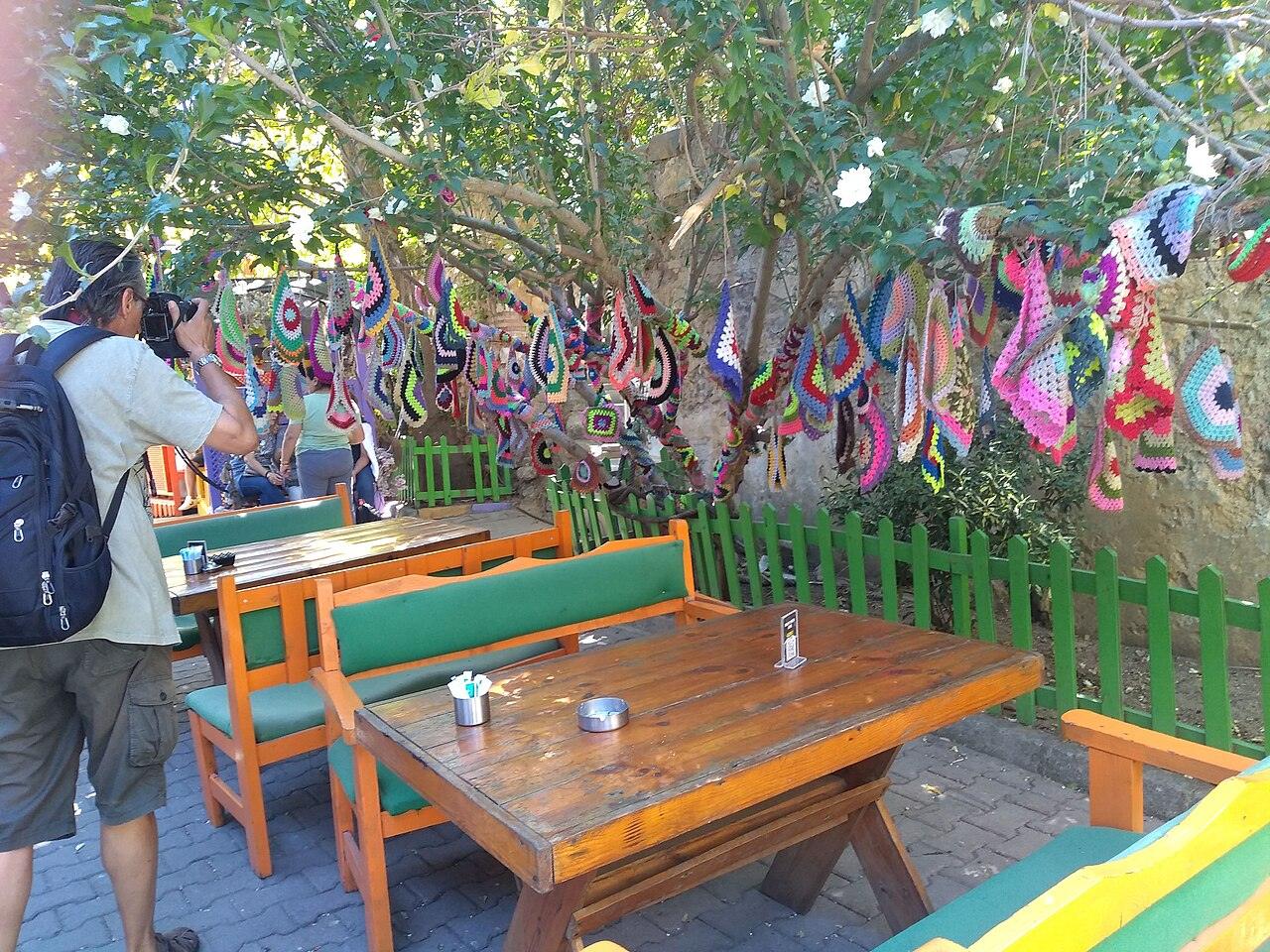
Photo: Milica Buha / CC BY-SA 4.0 / Wikimedia Commons
Join in through ordinary transactions
Buy something you actually need, whether that is fruit, a newspaper you can read or a simple lunch. Follow the queue, greet the person serving you and learn the relevant words for thanks. An ordinary transaction offers a small, real connection without requiring anyone to become a guide. Pay attention to the response rather than performing an idea of how locals are supposed to behave.
Conversation may happen, or it may not. People can be busy, tired, shy or simply uninterested, and none of those responses needs explaining as a cultural trait. If someone does chat, let the exchange remain proportionate. A question about a bread or a nearby public garden is easier to answer than a request to summarize what life in the city is really like.
Return, if you can, at another time
Seeing the same street again can correct your first impression. A quiet row of closed shutters may become a busy shopping stretch later, or a lively area may settle into a different rhythm. Follow current local advice about safety and avoid treating an unfamiliar place after dark as a test of adventurousness. Repeating a comfortable daytime route is enough to reveal change.
Pay attention to your own effect as a visitor. A large group stopping for photographs can block a doorway; a search for hidden gems can send traffic toward places with little capacity for it. Choose established public routes, spend respectfully where it suits you and resist posting precise locations for sensitive residential details. Not everything you appreciate needs to become a recommendation for others to reproduce.
By the end, you may have seen nothing that belongs on a must-see list. You may simply understand where people wait in the shade, which corner smells of fresh bread or how a street changes when school lets out. Keep those observations modest and particular. They are valuable not because they explain the city, but because they helped you meet it with attention.
Travel details change. Please confirm transport, access and safety information with official sources before you go.
Keep wandering
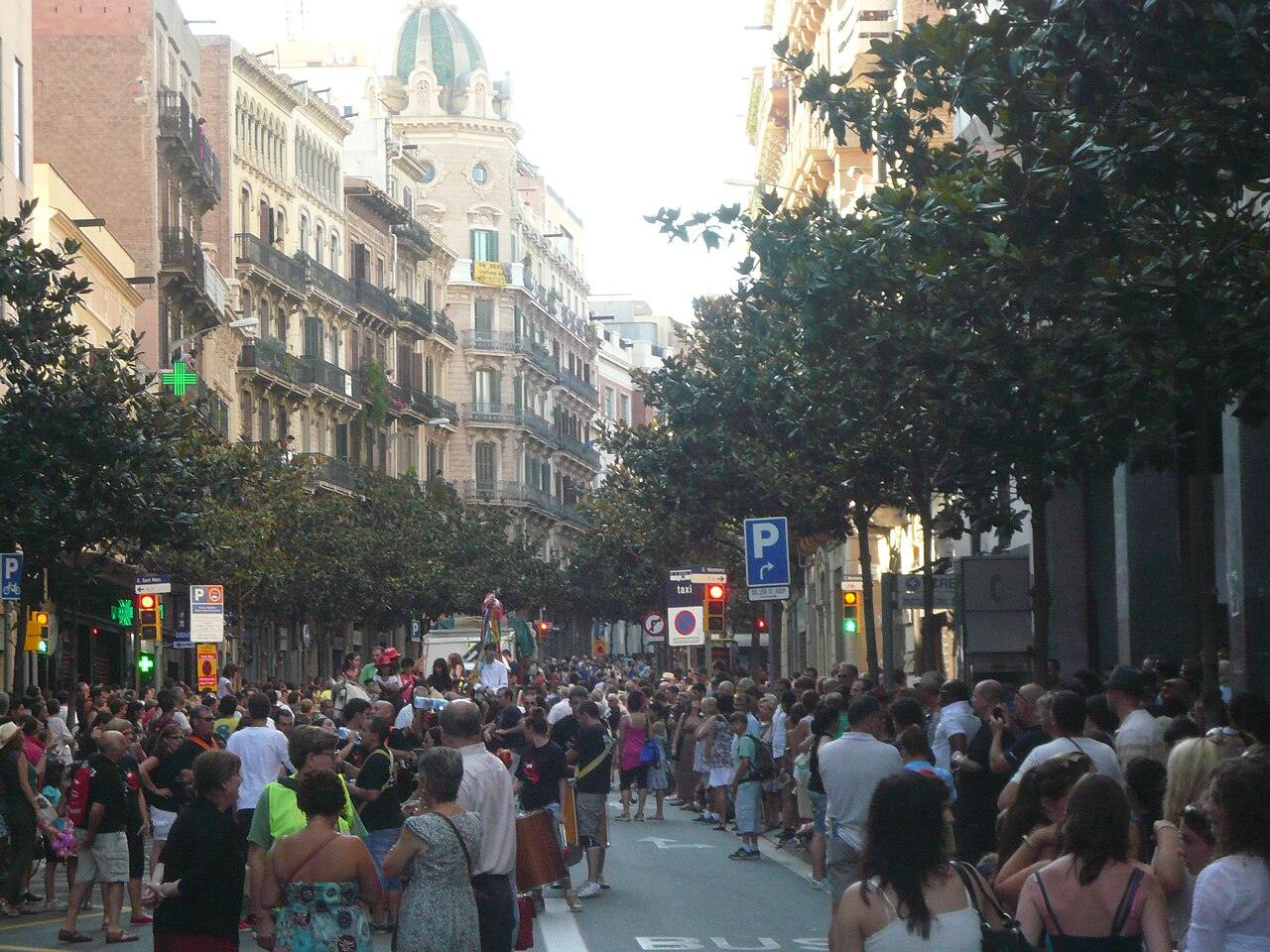

Try another direction
Pick a Direction
Inspiration for travelers who know they want to go somewhere but have not chosen where.