A Few Days Away: Finding the Right Kind of Escape
A short escape has a particular kind of promise: not a new life, just a little distance from the one already in progress. The right trip leaves enough time to enjoy being away before you have to return.
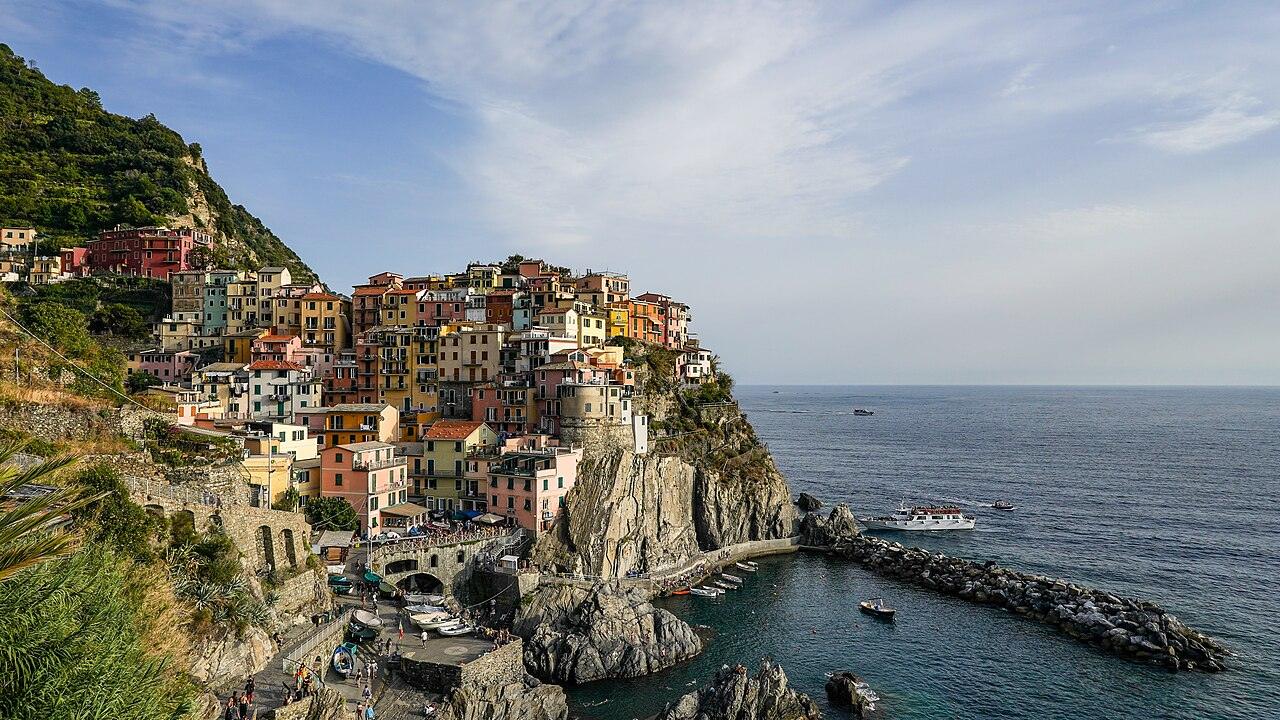
Photo: Timothy A / CC BY-SA 4.0 / Wikimedia Commons
Three free days can tempt you into an ambitious act of compression. Add a dawn departure, two cities and a famous day trip, and the break begins to resemble the week you wanted to interrupt. The alternative is not doing nothing unless that appeals. It is choosing a scale that gives your attention time to catch up with your location.
Start with what you want relief from. If your days involve constant decisions, simplify the trip. If they are solitary, choose somewhere with easy opportunities to be around people. If the same four walls have become tiring, you may need little more than a different window and a neighborhood worth walking. A short escape works best when its purpose is modest and clear.
Spend your time where you meant to go
Consider the whole journey rather than the most appealing segment. Getting to a station or airport, waiting, transferring and reaching your room all belong to the trip. A destination that looks close on a route map may take most of a day to reach. For a brief break, a direct connection often buys more freedom than a more glamorous name.
Arrival time changes the experience too. Reaching a town while there is still daylight can make settling in easier, particularly when you do not know the streets. If a late arrival is unavoidable, confirm check-in arrangements and the last part of the journey in advance. Do not make your first evening depend on a transport service you have only assumed will exist.
Choose one base with several possible days
Moving accommodation can make sense on a longer journey, but on a short escape it consumes a surprising amount of attention. One comfortable base lets you unpack once and return without thinking. Look for a place with enough variety nearby: perhaps a waterfront, a park, a few streets to browse and an indoor option for poor weather.
A compact city can provide that flexibility without requiring a car. A small coastal town might work if you mainly want walks and quiet meals. A rural stay can be wonderful if the accommodation itself is somewhere you want to spend time. Choose the setting that supports your actual habits, including what you will want after dinner when the day's sightseeing is over.
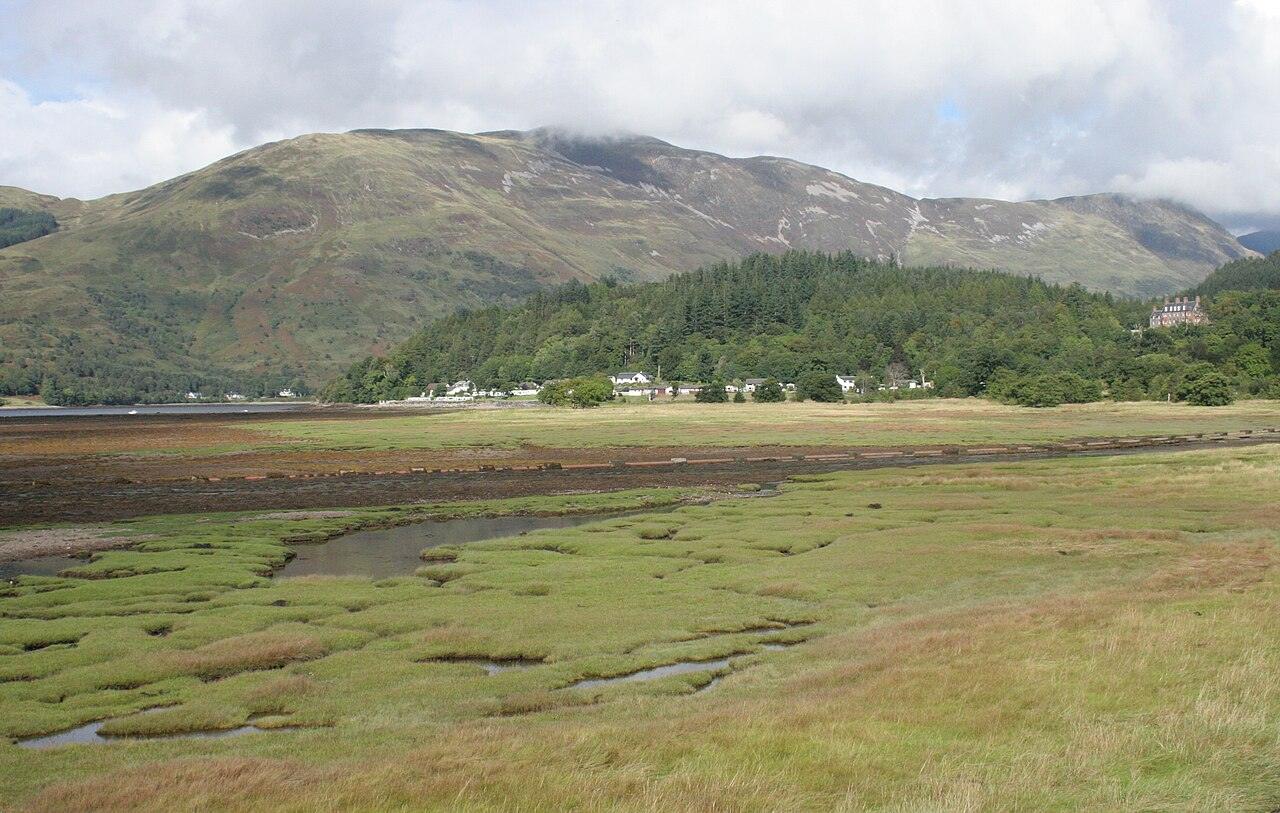
Photo: Richard Sutcliffe / CC BY-SA 2.0 / Wikimedia Commons
Give each day less to carry
One anchor per day is often enough: a museum, a walk or a meal you are particularly looking forward to. Around it, leave space for the practical rhythm of being somewhere unfamiliar. Finding breakfast, buying water and working out a bus stop are not failures of efficiency. They are part of the day and deserve a little room.
Keep the first afternoon especially light. Take a short orientation walk, locate a useful shop and find somewhere you might return to. If you have energy for more, you can add something. Beginning gently is usually easier than rescuing an overloaded plan once you are tired. The same applies to companions, whose travel energy may not match yours exactly.
Let the escape be enough
It is easy to ask a few days away to solve several months of tiredness. Try a smaller measure of success. Did you enjoy a meal without rushing? Did you notice something you would have missed at home? Did a stretch of the afternoon feel like your own? These are worthwhile outcomes even if you also answered a message or slept badly one night.
Give some thought to returning. If possible, avoid placing your most demanding obligations immediately after arrival home. Buy what you need for an easy first meal before leaving, or arrange a simple option for when you get back. The trip does not need a ceremonial ending, but a little practical care can stop the journey home from swallowing its gentler moments.
You may discover that the right escape is closer, quieter or less eventful than the one you first imagined. A few days are enough to learn the way to a favorite bench, recognize a shopfront and feel pleased to be elsewhere. Let that be a complete experience rather than a small version of a holiday you did not have.
Questions readers ask
Is one full day away worth the journey?
It can be, especially with a straightforward route and a comfortable base. Compare usable time at the destination with the effort of traveling before deciding.
Should everything be booked for a short trip?
Book what would be difficult to replace, including accommodation and any essential visit. Keep ordinary walks and some meal choices flexible so the break has room to breathe.
Travel details change. Please confirm transport, access and safety information with official sources before you go.
Keep wandering

Try another direction
A Day Without a Plan
City days built on side streets, long lunches and whatever happens next.