A Journey for People Who Love Beautiful Architecture
A building can give you a reason to travel, but the spaces between buildings often make the journey. Follow a material, a roofline or a patch of shade, and let architecture become a way of looking rather than a list of landmarks.
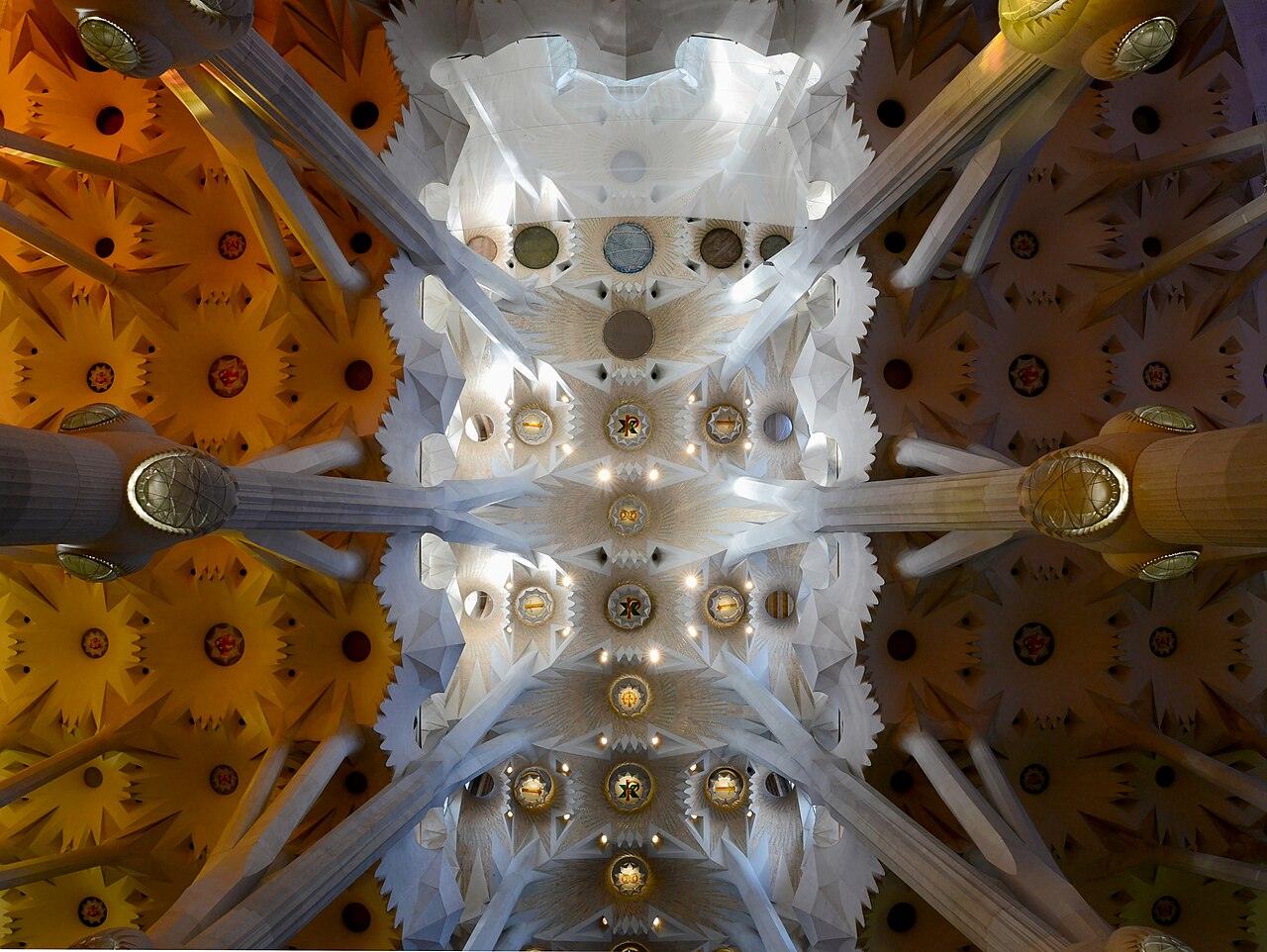
Photo: Alvesgaspar / CC BY-SA 4.0 / Wikimedia Commons
Start with something small enough to miss: a doorstep worn into a shallow curve, a window set deep into thick masonry, a balcony that changes the light below it. Architecture becomes easier to enjoy when it stops being a test of whether you know the right names. You can notice how a place works before learning who designed it.
A satisfying architectural trip needs fewer reservations than you might imagine, though famous interiors can require advance booking. Choose one building you really want to enter, then leave the surrounding hours open. The walk there and the route away will give that celebrated facade something a photograph cannot supply: neighbors, traffic, weather and a place in ordinary life.
Choose a question, not a greatest-hits list
Ask what interests you most. Perhaps it is how cities cope with heat, how old industrial buildings find new uses, or why some public squares invite people to linger. A question gives unrelated buildings a thread without forcing them into a single style. It also lets you enjoy a modest apartment block as seriously as a museum.
Barcelona can invite a close look at balconies and patterned surfaces, while Copenhagen offers opportunities to consider courtyards, cycling infrastructure and the relationship between buildings and water. Neither city fits neatly into those descriptions. Treat them as possible starting points, not promises that every street will illustrate your theme. The surprises are part of the pleasure.
Read a building from the pavement
Before looking upward, look at the threshold. Where do people enter? Can someone arrive without climbing steps? Is there a place to shelter from rain? These questions connect design to bodies rather than reputation. A spectacular structure may feel awkward at street level; an unassuming one may offer exactly the bench, shade or generous doorway a neighborhood needs.
Walk around a public building if the route is open. The service entrance, rear elevation and neighboring properties often reveal decisions hidden by the formal front. Notice where expensive materials stop, how newer additions meet older walls, and whether the ground floor addresses the street. You are not hunting for faults, just discovering that buildings have working lives beyond their most flattering angle.
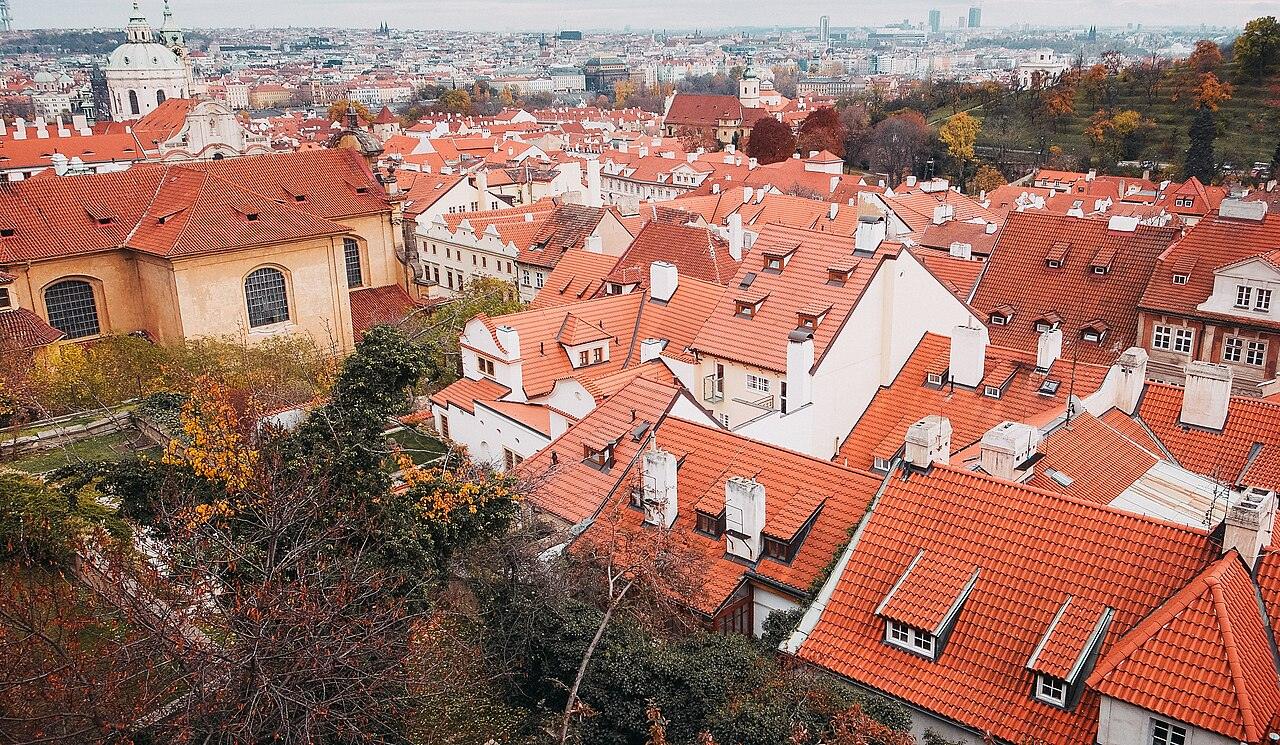
Photo: Jose Huwaidi / CC BY-SA 4.0 / Wikimedia Commons
Let one interior slow you down
Inside, give yourself time to adjust. A room that first seems plain may become interesting when your eyes settle on the ceiling height or the way daylight reaches a stair. Rather than photographing every view, choose one position and watch how people move through it. Architecture is partly an arrangement of movement, pauses and encounters, not simply a collection of surfaces.
Interpretation can help without taking over. Read a short introductory panel, then return to the building and see whether the explanation changes what you notice. If guided visits are available, a specialist can make structural choices intelligible. Remember that beautiful interiors may also be places of worship, workplaces or homes. Access is an invitation with conditions, not an entitlement created by an attractive exterior.
Follow the ordinary buildings home
After the landmark, choose a nearby street with shops, housing or a school. Look for repeated details: the same shutter shape, similar roof pitches, a shared wall material. Repetition can tell you as much about a place as an exceptional design. It hints at climate, available resources, building traditions and the habits of people who use these spaces every day.
Keep a small visual notebook if it helps you look. Sketch a doorway badly and label what caught your attention. Write down whether a square felt exposed or sheltered. A few observations are often more useful than a camera roll full of similar facades. Avoid treating residents as decorative evidence; ask before photographing people closely, and never peer through windows to complete your study.
There is no need to settle every architectural question before leaving. Take one unresolved detail with you: a tiled stair, an oddly placed window, a shaded passage that seemed to gather the whole afternoon. The journey has worked if buildings feel less like objects to collect and more like places where life happens.
Questions readers ask
Do I need architectural knowledge to enjoy this kind of trip?
No. Begin with light, materials, comfort and movement. Names and dates can deepen your understanding later, but careful observation is already a useful way in.
Is a specialist tour worthwhile?
It can be, especially for buildings with restricted access or complex histories. Check who leads it, which interiors are included and whether the pace suits you.
Travel details change. Please confirm transport, access and safety information with official sources before you go.
Keep wandering


Try another direction
Pick a Direction
Inspiration for travelers who know they want to go somewhere but have not chosen where.