How to Discover a City Through Its Local Art
Art can lead you beyond a city's best-known museum and into the places where it thinks aloud. Follow public works, small exhibitions and working spaces with curiosity, while leaving artists room to be more than interpreters of their hometown.
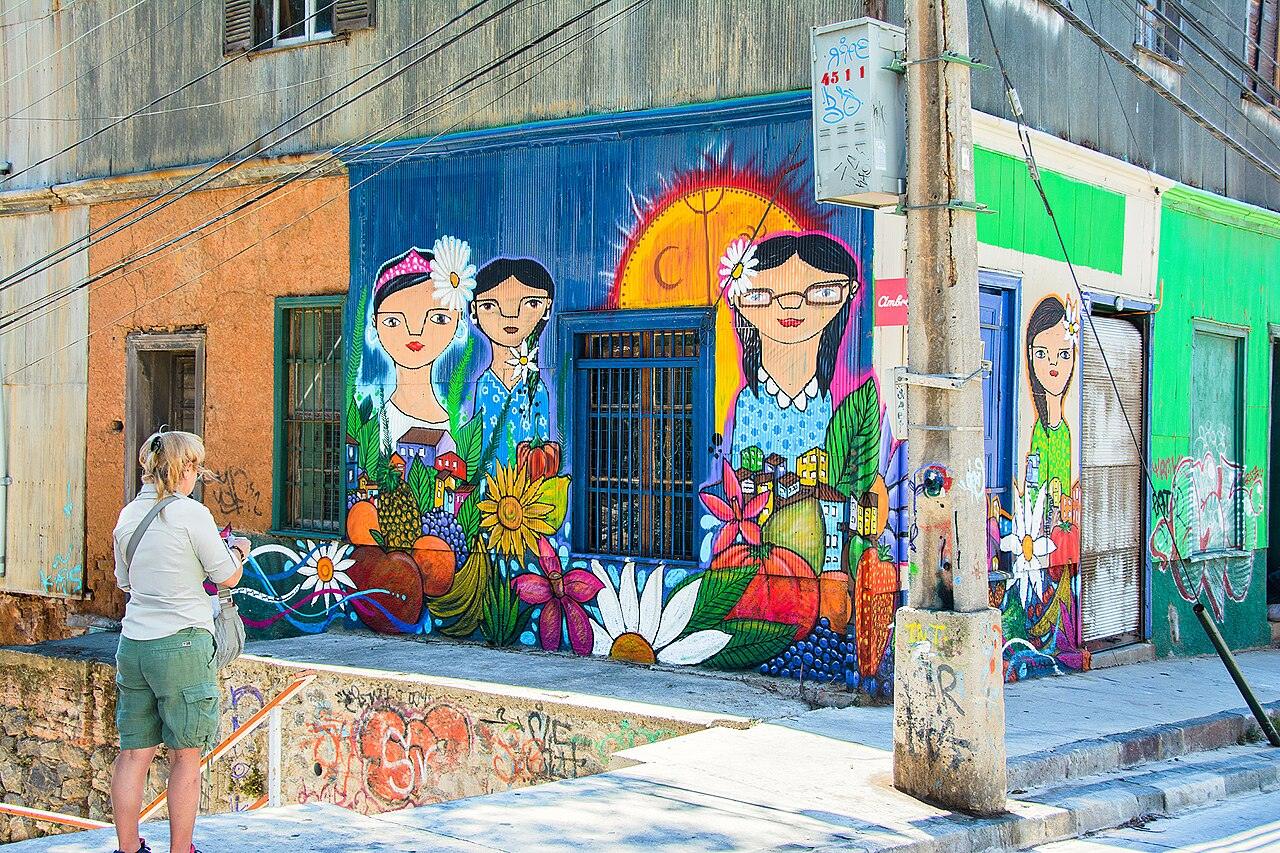
Photo: Esin Üstün from Istanbul, Turkey / CC BY 2.0 / Wikimedia Commons
A painted wall catches your eye on the way to breakfast. Later, a shop window holds a small sculpture, and a poster announces an exhibition in a building you would otherwise have passed. A city offers many possible entrances into art. You do not need to know the scene already, and you do not have to like everything you encounter.
The useful shift is from asking what you should see to asking what is happening here. That question can include a major museum, but it also makes room for artist-run spaces, municipal galleries and temporary projects. Each has a different relationship to its audience. A polished exhibition and a roughly assembled experiment can both reward attention without being judged by the same expectations.
Find one reliable starting point
Begin with the current programme of a public gallery, an arts organization or an established exhibition space. Official listings help separate a live event from an old recommendation still circulating online. Choose something that genuinely interests you, whether that is ceramics, documentary photography or sound. Starting with your own curiosity is more useful than pretending to understand a medium because it seems important.
Look at who organized the exhibition and how the artists are connected to the place. Some may live locally, others may be visiting, and some work will address questions far beyond the city. Local art is not necessarily an image of local scenery. An abstract painting can belong to the conversation just as much as a recognizable view of the harbor or the central square. Migration, housing, memory, technology and ordinary relationships can all shape work made in a particular place without producing an easily recognizable postcard.
Spend time with one work
Once inside, resist the urge to make a rapid circuit and move on. Choose a work that holds your attention or puzzles you. Look before reading the label, then see what the text adds. Notice your response changing, or not changing. Disagreement and uncertainty are perfectly usable reactions, provided they arise from an encounter rather than a glance across the room.
If a member of staff invites questions, ask about a concrete detail: a material, a recurring image or the reason works have been placed together. You are not required to offer an impressive interpretation first. Nor is the person at the desk necessarily the artist or curator. Let the conversation follow their knowledge and availability rather than expecting an impromptu private tour.
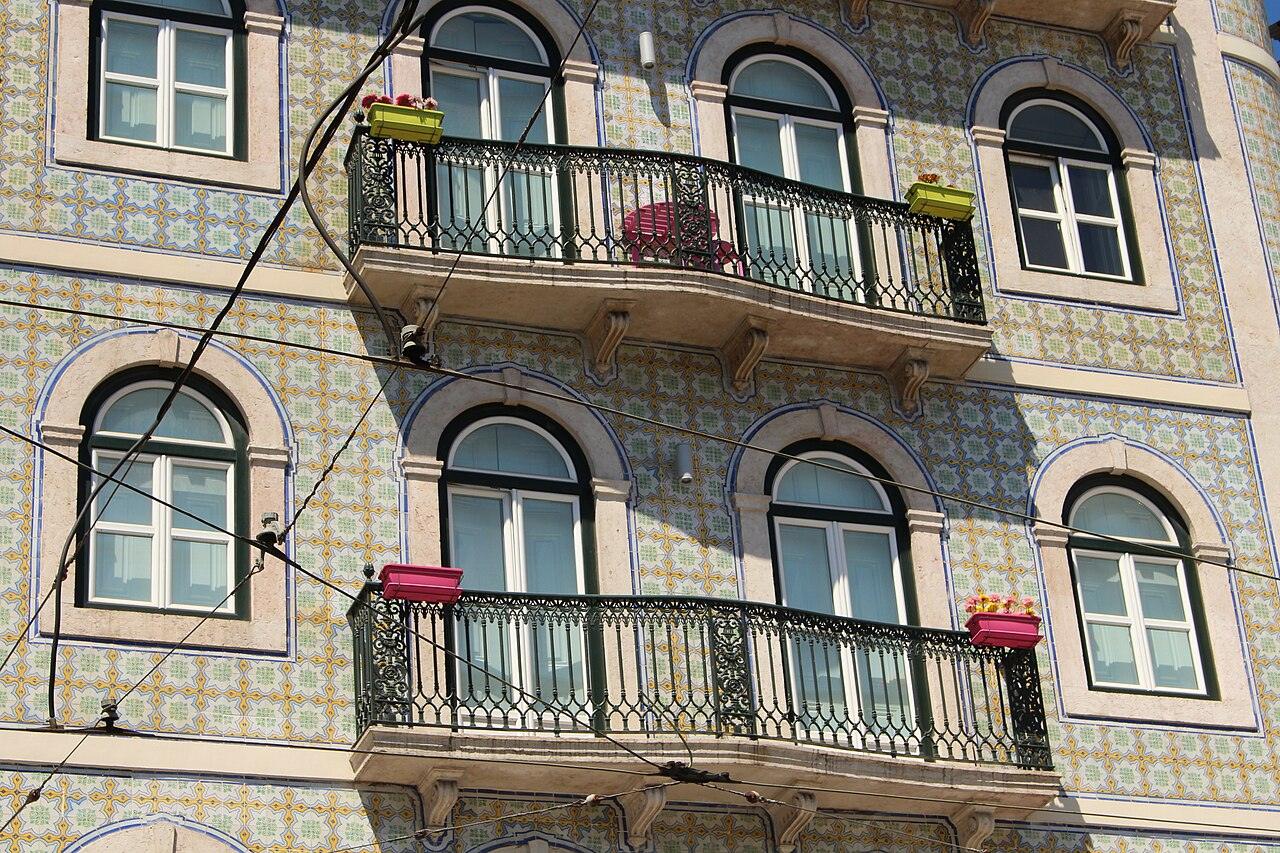
Photo: Singa Hitam / CC BY 2.0 / Wikimedia Commons
Read public art in its surroundings
Outdoors, consider the setting as well as the object. Who passes it? Can people sit nearby? Does it commemorate someone, challenge a familiar story or simply introduce an unexpected shape? A sculpture in a traffic island and a mural beside a playground have different audiences. The surrounding uses of space are part of what makes the work interesting to encounter on foot.
Be careful with assumptions about street art. A mural may be commissioned, independently made, temporary, contested or protected, and its appearance alone will not tell you which. Look for an attribution or a reliable local account before repeating a story about it. Never add marks to a wall because it already carries paint. Photograph from public space without stepping into roads, gardens or doorways to improve the composition.
Let the trail include making and buying
If you are interested in process, look for a public workshop, a demonstration or an artist talk. Check whether visitors can participate and what preparation is needed. Making something slowly can reveal the decisions hidden inside a finished object. It can also remind you that the skill on display represents sustained practice, not a decorative local custom performed solely for travelers.
Buying a small work can be a meaningful part of the day, but ask practical questions before committing. Find out who made it, what the price includes and whether it can travel safely. Photography editions, fragile ceramics and works containing natural materials may need particular care or documentation. If a purchase would be a strain, thoughtful attention is still a legitimate way to take part in an exhibition.
You may finish with no clear picture of a single citywide style. That is a useful result. Places contain arguments, experiments and people who see the same street differently. Carry one image into the rest of your walk and notice what it makes newly visible, whether that is a color, a question or an empty patch of wall.
Travel details change. Please confirm transport, access and safety information with official sources before you go.
Keep wandering
Try another direction
Pick a Direction
Inspiration for travelers who know they want to go somewhere but have not chosen where.